
hazelnut
Nuts & Seeds
Is hazelnut high in lactose?
Is hazelnut high or low in lactose? See its exact rating, how much counts as a portion, and its FODMAP, salicylate, oxalate and diet compatibility in one place.
Related checkers
Compare hazelnut across criteria
Sensitivity notes
Why lactose food checker matters
Lactose is the natural sugar in milk and dairy products. People with lactose intolerance lack sufficient lactase enzyme to digest it, leading to bloating, gas, and digestive discomfort after consuming dairy.
- Try lactose-free dairy products - they're real dairy with lactase added
- Hard aged cheeses are naturally lower in lactose
- Lactase enzyme supplements can help when eating dairy
- Yogurt and kefir may be better tolerated due to probiotics
- Your tolerance level is personal - some can handle small amounts
Sensitivities
What hazelnut contains
FODMAPs
Histamine & Amines
Plant compounds
Irritants
Additives
Allergens
Diet fit
Where hazelnut fits
Therapeutic diets
Lifestyle diets
Religious diets
What to know about hazelnut
Hazelnuts are one of the highest-nickel tree nuts, which is the main reason they trigger people even when other snacks feel fine. They are moderate on FODMAPs (from galacto-oligosaccharides) and only mildly histamine-raising, so a small handful is usually tolerated, but chocolate hazelnut spreads, gianduja and praline concentrate them and are a common flare culprit. As a major tree-nut allergen they also hide inside a lot of baked goods.
Watch for
- High in nickel, the strongest trigger here, which matters if you have systemic nickel allergy: chocolate-hazelnut spreads and pralines pack a lot of hazelnut into one serving
- Moderate FODMAP load from galacto-oligosaccharides, so a few nuts are fine for most but a jar of spread or a bag of them can bloat a sensitive gut
- Mildly histamine-active, and roasting or long storage tends to push that higher
- A major tree-nut allergen that hides in praline, gianduja, nut flours and many desserts







Explore related in Nuts & Seeds
Compare similar foods to build a personalized list of swaps that work for your system.


Lactose Guide
Everything you need to know about lactose sensitivity and smart food choices.
Lactose is the natural sugar in milk and dairy products. People with lactose intolerance lack sufficient lactase enzyme to digest it, leading to bloating, gas, and digestive discomfort after consuming dairy.
Sensitivity varies widely. What triggers one person may be fine for another. Track your reactions to find your personal threshold.
These foods are generally well-tolerated for Lactose sensitivity:
View all safe options







These foods have moderate levels and may be tolerated in small amounts:

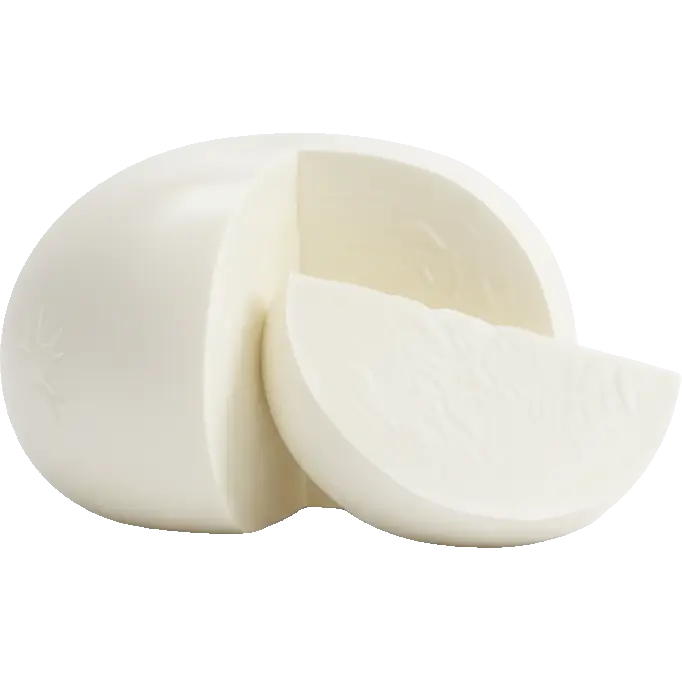





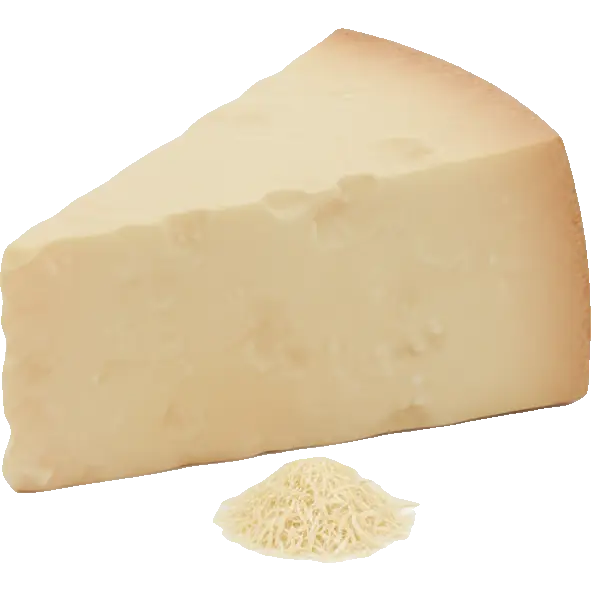
These foods are high in lactose and may trigger symptoms:
View full list







If you're sensitive to Lactose, consider these strategies:
- 1Try lactose-free dairy products - they're real dairy with lactase added
- 2Hard aged cheeses are naturally lower in lactose
- 3Lactase enzyme supplements can help when eating dairy
- 4Yogurt and kefir may be better tolerated due to probiotics
- 5Your tolerance level is personal - some can handle small amounts
Pro tip: Keep a food diary to track your reactions. The Triggerbites app makes this easy with automatic pattern detection.
Want personalized tracking?
Download Triggerbites to log meals, track symptoms, and discover your unique triggers.
Get the AppFAQ
Is hazelnut high in Lactose?
Lactose: low signal for most people.
Can I still eat hazelnut if I'm sensitive to Lactose?
Usually fine in normal portions.
What else should I check?
Check Tree Nuts, AIP, and EoE Compatible next for a fuller picture.