 Back to Histamine Liberators food checker
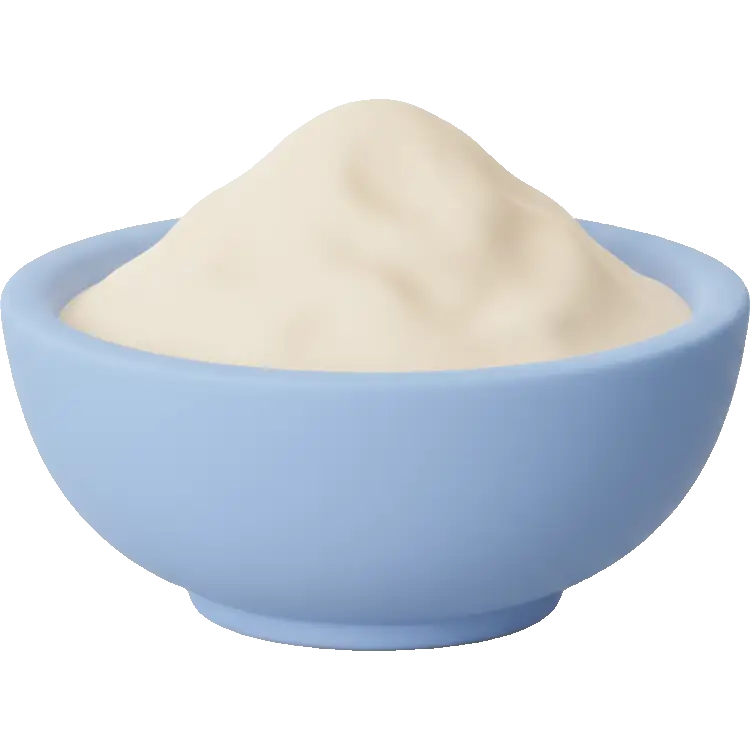
cassava flour
Grains
Is cassava flour high in histamine liberators?
Is cassava flour high or low in histamine liberators? See its exact rating, how much counts as a portion, and its FODMAP, salicylate, oxalate and diet compatibility in one place.

Related checkers
Compare cassava flour across criteria

Sensitivity notes
Why histamine liberators food checker matters
Histamine liberators are foods that don't contain much histamine themselves but can trigger your body to release stored histamine. This can cause similar symptoms to high-histamine foods in sensitive individuals.
- Avoid histamine liberators alongside high-histamine foods
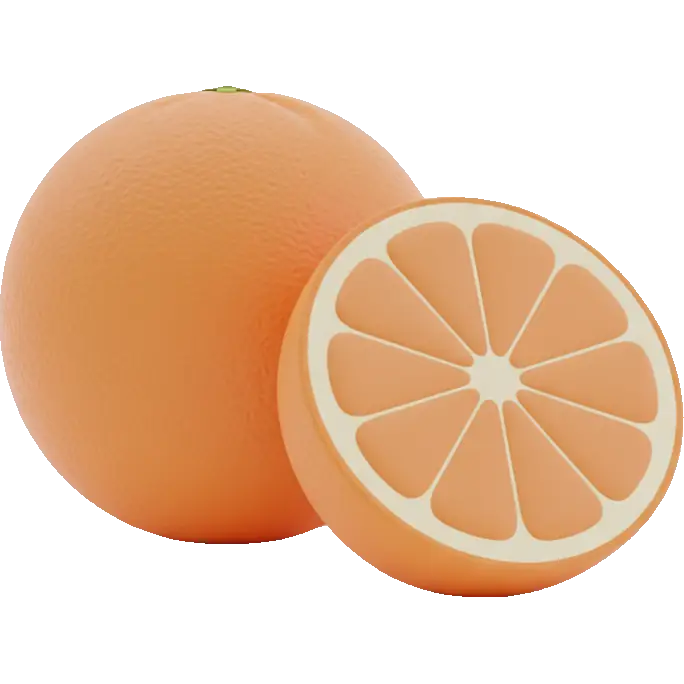
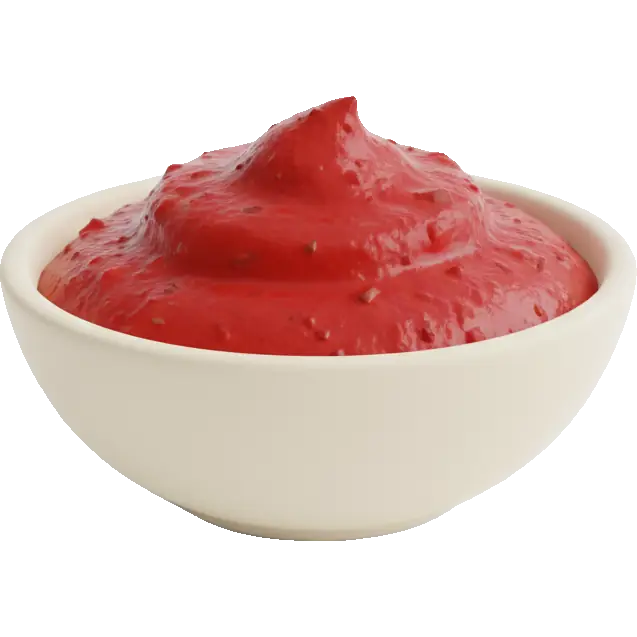
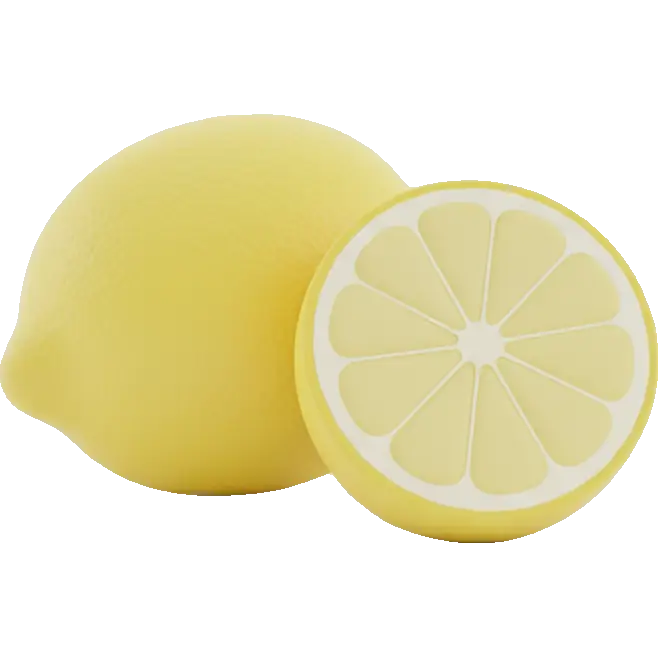
- Common liberators include citrus, strawberries, tomatoes, and chocolate
- Your tolerance may vary based on overall histamine load
- Keep a symptom diary to identify your personal triggers
- Consider your total 'histamine bucket' - liberators add to it

Sensitivities
What cassava flour contains
FODMAPs







Histamine & Amines



Plant compounds




Irritants




Additives



Allergens
















Diet fit
Where cassava flour fits
Therapeutic diets










Lifestyle diets









Religious diets






What to know about cassava flour
Cassava flour is the whole cassava root peeled, dried and milled, and that whole root origin is the entire point of it. Tapioca starch comes from the same plant but is only the starch washed out of the root, so it arrives as pure carbohydrate, while cassava flour keeps the fibre and the rest of the root with it. On the trigger panel the flour is close to spotless: A for gluten, histamine, histamine liberation, salicylate, oxalate, nickel, sulfite, glutamate, dairy protein and nightshade. Its single borderline grade is fermentability at C, and that is precisely the retained fibre doing what fibre does in a gut that ferments too eagerly. The commercial drying and milling process also deals with the cyanogenic compounds that make the raw root dangerous, so the flour on a supermarket shelf does not carry the preparation risk fresh cassava does.
Watch for
- It is not interchangeable with tapioca flour.Cassava flour is the whole dried root and tapioca is the extracted starch, so they absorb liquid differently, bake differently and land differently in the gut. Substituting one for the other cup for cup is the most common reason a recipe fails.
- Borderline at C for low fermentation and SIBO.The fibre that makes it more nourishing than pure starch is also what ferments, so it can bloat where tapioca starch or arrowroot pass quietly.
- FODMAP content is unrated for the flour in our data while the fresh root grades B.Treat a heavy cassava flour bake as an unmeasured portion rather than a confirmed green light.
- Grain free does not mean allergen free.Cassava flour grades A for gluten, but shared mills and shared bakery lines still matter if you are coeliac, so buy certified if that applies to you.
- Food grade cassava flour is processed to strip the root cyanogens.The exception is under-processed flour milled from bitter cassava in subsistence settings, which has been behind poisoning outbreaks and is a processing failure rather than a property of the flour you buy.


Explore related in Grains
Compare similar foods to build a personalized list of swaps that work for your system.
Histamine Liberators Guide
Everything you need to know about histamine liberators sensitivity and smart food choices.
Histamine liberators are foods that don't contain much histamine themselves but can trigger your body to release stored histamine. This can cause similar symptoms to high-histamine foods in sensitive individuals.
Sensitivity varies widely. What triggers one person may be fine for another. Track your reactions to find your personal threshold.

These foods are generally well-tolerated for Histamine Liberators sensitivity:
View all safe options




These foods have moderate levels and may be tolerated in small amounts:


These foods are high in histamine liberators and may trigger symptoms:
View full list



If you're sensitive to Histamine Liberators, consider these strategies:
- 1Avoid histamine liberators alongside high-histamine foods
- 2Common liberators include citrus, strawberries, tomatoes, and chocolate
- 3Your tolerance may vary based on overall histamine load
- 4Keep a symptom diary to identify your personal triggers
- 5Consider your total 'histamine bucket' - liberators add to it
Pro tip: Keep a food diary to track your reactions. The Triggerbites app makes this easy with automatic pattern detection.
Want personalized tracking?
Download Triggerbites to log meals, track symptoms, and discover your unique triggers.
Get the AppFAQ
Is cassava flour high in Histamine Liberators?
Histamine Liberators: low signal for most people.
Can I still eat cassava flour if I'm sensitive to Histamine Liberators?
Usually fine in normal portions.
What else should I check?
Check Specific Carbohydrate, Keto, and Low-carb next for a fuller picture.