 Back to Gluten food checker
wheat flour
Grains
Is wheat flour high in gluten?
Is wheat flour high or low in gluten? See its exact rating, how much counts as a portion, and its FODMAP, salicylate, oxalate and diet compatibility in one place.

Related checkers
Compare wheat flour across criteria

Sensitivity notes
Why gluten food checker matters
Gluten is a protein found in wheat, barley, rye, and their derivatives. People with celiac disease, gluten sensitivity, or wheat allergy need to avoid gluten to prevent digestive and systemic symptoms.
- Learn to read labels carefully - gluten hides in many products
- Be aware of cross-contamination in shared kitchens and restaurants
- Look for certified gluten-free products for safety
- Oats are naturally gluten-free but often cross-contaminated
- Give your gut time to heal - improvement may take months

Sensitivities
What wheat flour contains
FODMAPs







Histamine & Amines



Plant compounds




Irritants




Additives



Allergens
















Diet fit
Where wheat flour fits
Therapeutic diets










Lifestyle diets









Religious diets






What to know about wheat flour
Wheat flour is the version of wheat that hides everywhere: it thickens sauces and gravies, coats fried food, and binds baked goods, so it catches people long after they think they have cut wheat. It contains gluten, is rated high in fructans and the FODMAPs, and rates poorly for SIBO. Because it is a hidden ingredient in processed foods, checking labels matters as much as skipping the obvious bread.
Watch for
- Contains gluten, so it is not safe for celiac disease or gluten sensitivity even in tiny binding or thickening amounts
- Rated high in fructans and FODMAPs, which is why floury sauces, roux and breaded foods can bloat sensitive guts
- Hidden in gravies, soups, batters, coatings and processed snacks, so cross-contact and label reading are the real challenge
- Rated poorly for SIBO, since its fermentable carbs feed overgrowth
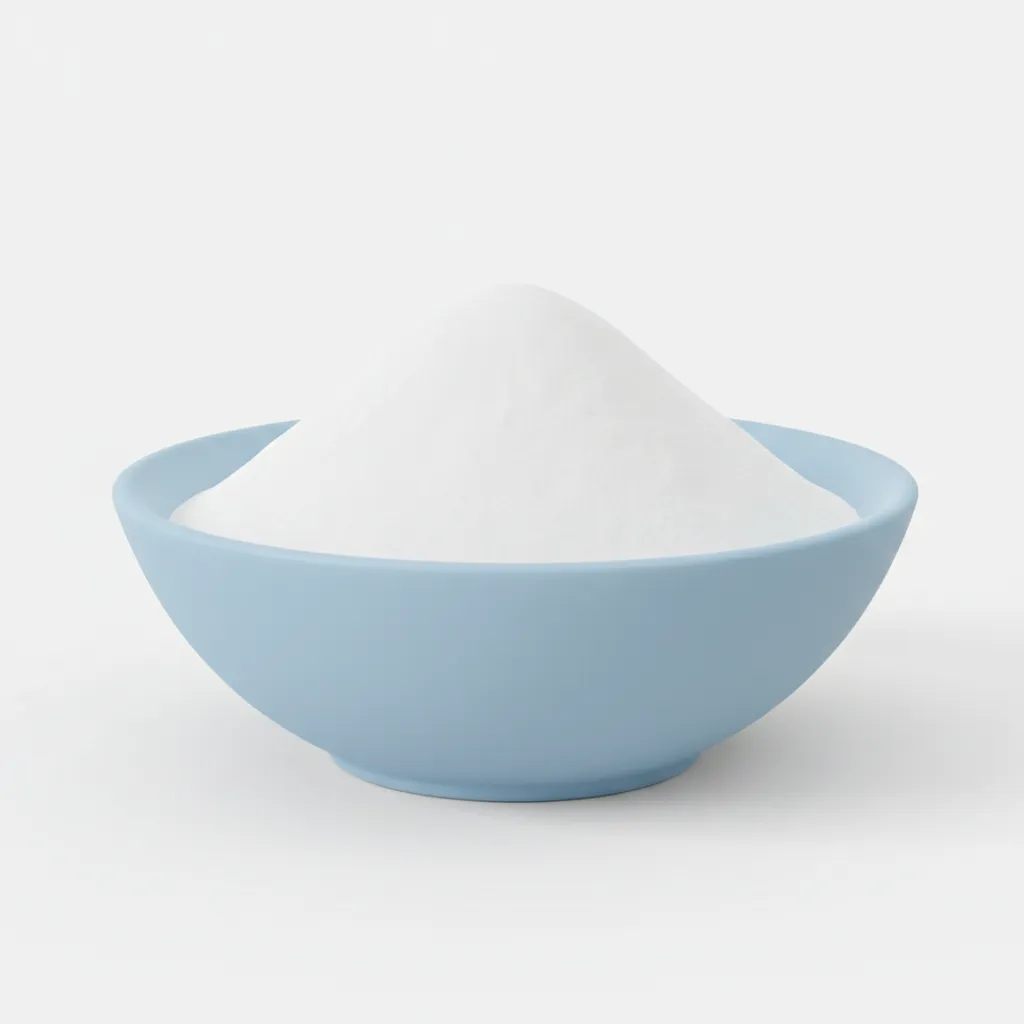
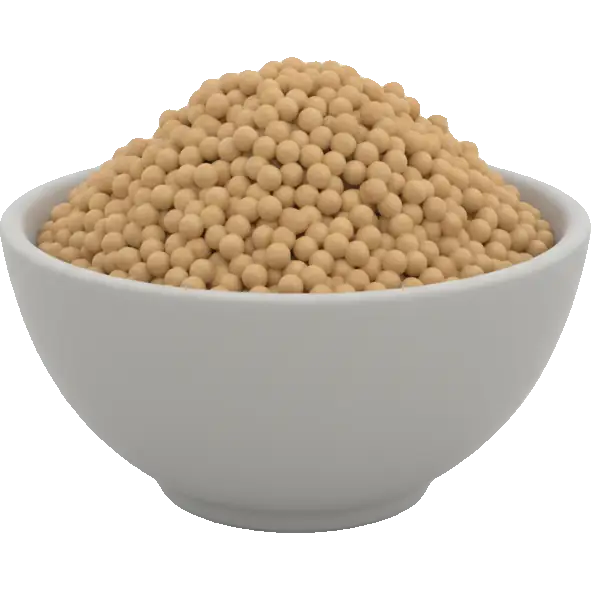
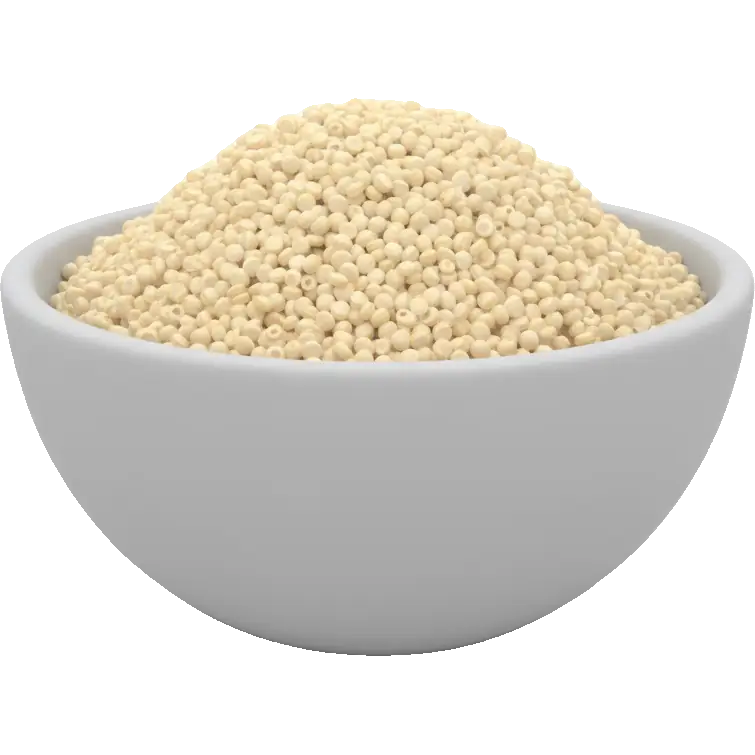
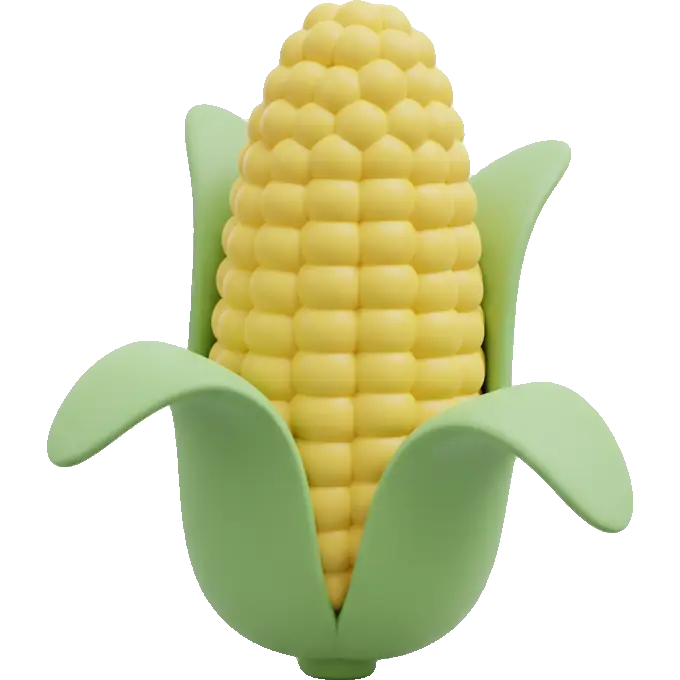

Explore related in Grains
Compare similar foods to build a personalized list of swaps that work for your system.




Gluten Guide
Everything you need to know about gluten sensitivity and smart food choices.
Gluten is a protein found in wheat, barley, rye, and their derivatives. People with celiac disease, gluten sensitivity, or wheat allergy need to avoid gluten to prevent digestive and systemic symptoms.
Sensitivity varies widely. What triggers one person may be fine for another. Track your reactions to find your personal threshold.

These foods are generally well-tolerated for Gluten sensitivity:
View all safe options







These foods have moderate levels and may be tolerated in small amounts:



These foods are high in gluten and may trigger symptoms:
View full list

If you're sensitive to Gluten, consider these strategies:
- 1Learn to read labels carefully - gluten hides in many products
- 2Be aware of cross-contamination in shared kitchens and restaurants
- 3Look for certified gluten-free products for safety
- 4Oats are naturally gluten-free but often cross-contaminated
- 5Give your gut time to heal - improvement may take months
Pro tip: Keep a food diary to track your reactions. The Triggerbites app makes this easy with automatic pattern detection.
Want personalized tracking?
Download Triggerbites to log meals, track symptoms, and discover your unique triggers.
Get the AppFAQ
Is wheat flour high in Gluten?
Gluten: higher signal - consider smaller servings or swaps.
Can I still eat wheat flour if I'm sensitive to Gluten?
Best to avoid or test carefully with a small amount.
What else should I check?
Check AIP, EoE Compatible, and Specific Carbohydrate next for a fuller picture.