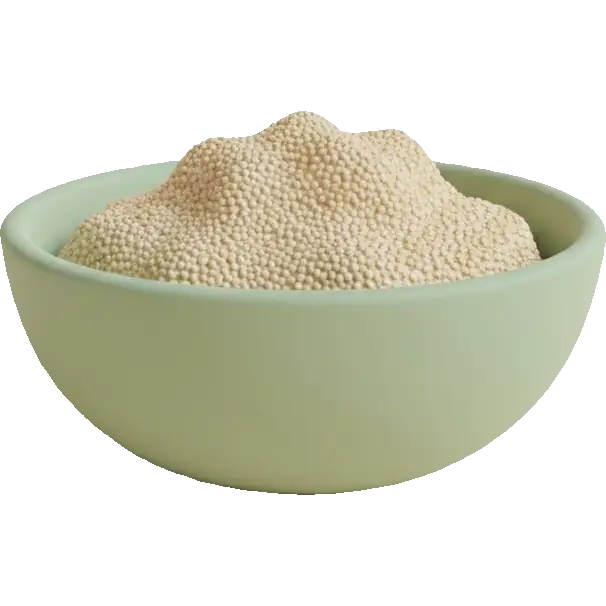
amaranth
Grains
Is amaranth eoe compatible-compatible?
See whether amaranth fits an eoe compatible diet, with a clear compatible-or-avoid verdict plus its FODMAP, histamine and other trigger ratings in one place.
Related checkers
Compare amaranth across criteria
Sensitivity notes
Why eoe compatible diet checker matters
Eosinophilic Esophagitis (EoE) dietary management often involves eliminating common trigger foods including dairy, wheat, eggs, soy, nuts, and seafood. The six-food elimination diet is commonly used to identify personal triggers.
- The six-food elimination diet removes dairy, wheat, eggs, soy, nuts, and seafood
- Systematic reintroduction with endoscopy helps identify triggers
- Milk/dairy is the most common trigger
- Work closely with your gastroenterologist and allergist
- Elemental diet may be used in severe cases
Sensitivities
What amaranth contains
FODMAPs
Histamine & Amines
Plant compounds
Irritants
Additives
Allergens
Diet fit
Where amaranth fits
Therapeutic diets
Lifestyle diets
Religious diets
What to know about amaranth
Amaranth is two foods sharing one name. The plant is grown for its leaves across the Caribbean, West Africa, India and Southeast Asia, where it is cooked down as callaloo, chaulai, efo tete or bayam, and it is also grown for a tiny seed used as a pseudocereal. This entry covers amaranth as the plant and the leafy vegetable; the seed is tracked separately as amaranth grain and carries its own, different grades. As eaten here, amaranth is graded D for total FODMAPs, which is the high band, while it stays clean at A on histamine, histamine liberation, salicylates, nickel, gluten, lactose, free glutamates, sulfites and nightshade chemistry. That combination makes it unusually easy to place in an elimination diet as long as the portion is controlled.
Watch for
- Graded D for total FODMAPs, the high band, even though every individual FODMAP subgroup (fructans, GOS, excess fructose, polyols) is graded A.When the total is flagged but no subgroup is, portion size is doing the work: a side of greens behaves very differently from a bowl of callaloo
- Amaranth greens are almost never cooked plain.Callaloo, chaulai and efo tete are built on onion, garlic and sometimes coconut milk, and for most people with IBS the aromatics in the pot are a bigger FODMAP load than the leaves. Log the dish, not just the vegetable, or you will blame the wrong ingredient
- Oxalate is unrated for amaranth in our data.Do not read that as cleared. The separately graded amaranth grain entry sits at D for oxalate, so if you are on an oxalate-restricted diet treat the greens as untested rather than safe
- Clean at A on histamine and histamine liberation, so amaranth greens are one of the more usable leafy vegetables if you are managing histamine intolerance and have already cut spinach and tomato


Explore related in Grains
Compare similar foods to build a personalized list of swaps that work for your system.




EoE Compatible Guide
Everything you need to know about eoe compatible compatibility and smart food choices.
Eosinophilic Esophagitis (EoE) dietary management often involves eliminating common trigger foods including dairy, wheat, eggs, soy, nuts, and seafood. The six-food elimination diet is commonly used to identify personal triggers.
These foods are typically compatible with a EoE Compatible approach:
View all safe options






Practical guidance for following a EoE Compatible diet:
- 1The six-food elimination diet removes dairy, wheat, eggs, soy, nuts, and seafood
- 2Systematic reintroduction with endoscopy helps identify triggers
- 3Milk/dairy is the most common trigger
- 4Work closely with your gastroenterologist and allergist
- 5Elemental diet may be used in severe cases
Pro tip: Keep a food diary to track your reactions. The Triggerbites app makes this easy with automatic pattern detection.
Want personalized tracking?
Download Triggerbites to log meals, track symptoms, and discover your unique triggers.
Get the AppFAQ
Does amaranth fit an eoe compatible diet?
EoE Compatible: fits well for most plans.
What if I eat it occasionally?
Still check preparation and add-ins.
What are safer swaps?
Compare within the Grains group.