 Back to EoE Compatible diet checker
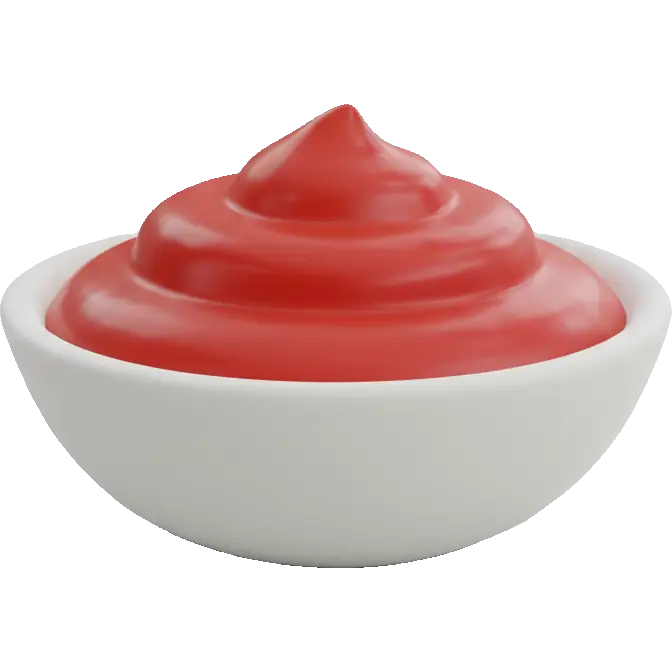
ketchup
Condiments & Sauces
Is ketchup eoe compatible-compatible?
See whether ketchup fits an eoe compatible diet, with a clear compatible-or-avoid verdict plus its FODMAP, histamine and other trigger ratings in one place.

Related checkers
Compare ketchup across criteria

Sensitivity notes
Why eoe compatible diet checker matters
Eosinophilic Esophagitis (EoE) dietary management often involves eliminating common trigger foods including dairy, wheat, eggs, soy, nuts, and seafood. The six-food elimination diet is commonly used to identify personal triggers.
- The six-food elimination diet removes dairy, wheat, eggs, soy, nuts, and seafood
- Systematic reintroduction with endoscopy helps identify triggers
- Milk/dairy is the most common trigger
- Work closely with your gastroenterologist and allergist
- Elemental diet may be used in severe cases

Sensitivities
What ketchup contains
FODMAPs







Histamine & Amines



Plant compounds




Irritants




Additives



Allergens
















Diet fit
Where ketchup fits
Therapeutic diets










Lifestyle diets









Religious diets






What to know about ketchup
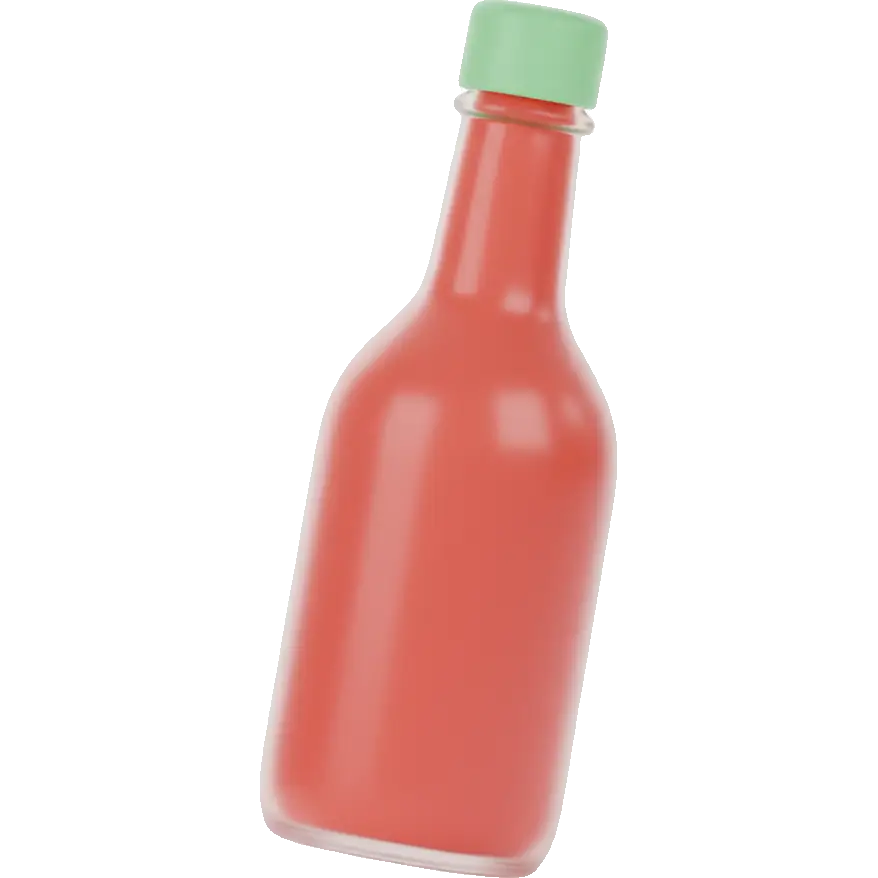
Ketchup is the textbook stacked trigger: no single ingredient in it is extreme, but it borders on a problem across an unusual number of them at once. It is made from concentrated tomatoes (nightshade plus histamine), cooked and aged (histamine and glutamate build up), sweetened with high-fructose syrup (excess fructose and FODMAPs) and often preserved with sulfites. Individually each is a moderate load; together, in the amount people actually use, they can push a sensitive person over the edge when a plain tomato would not. If you react to ketchup but tolerate fresh tomato, the processing is usually why.
Watch for
- Concentrated tomato makes it a nightshade and moderately high in histamine, two triggers in one spoonful
- Cooking and ageing raise free glutamate (a savoury, MSG-like load) and histamine beyond that of a fresh tomato
- Sweetened with high-fructose corn syrup, so it carries excess fructose and a moderate FODMAP load
- Often preserved with sulfites, a further additive trigger, and it is pro-inflammatory overall thanks to the sugar and processing


Explore related in Condiments & Sauces
Compare similar foods to build a personalized list of swaps that work for your system.
EoE Compatible Guide
Everything you need to know about eoe compatible compatibility and smart food choices.
Eosinophilic Esophagitis (EoE) dietary management often involves eliminating common trigger foods including dairy, wheat, eggs, soy, nuts, and seafood. The six-food elimination diet is commonly used to identify personal triggers.
These foods are typically compatible with a EoE Compatible approach:
View all safe options






Practical guidance for following a EoE Compatible diet:
- 1The six-food elimination diet removes dairy, wheat, eggs, soy, nuts, and seafood
- 2Systematic reintroduction with endoscopy helps identify triggers
- 3Milk/dairy is the most common trigger
- 4Work closely with your gastroenterologist and allergist
- 5Elemental diet may be used in severe cases
Pro tip: Keep a food diary to track your reactions. The Triggerbites app makes this easy with automatic pattern detection.
Want personalized tracking?
Download Triggerbites to log meals, track symptoms, and discover your unique triggers.
Get the AppFAQ
Does ketchup fit an eoe compatible diet?
EoE Compatible: fits well for most plans.
What if I eat it occasionally?
Still check preparation and add-ins.
What are safer swaps?
Compare within the Condiments & Sauces group.