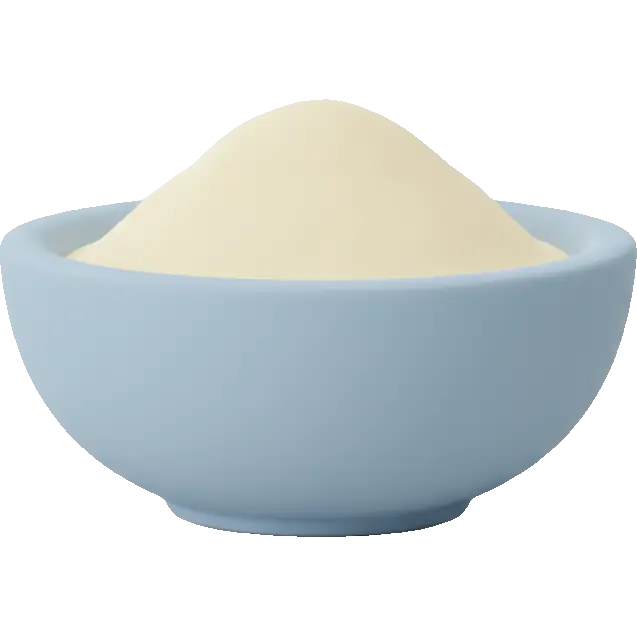
kamut flour
Grains
Is kamut flour whole30-compatible?
See whether kamut flour fits a whole30 diet, with a clear compatible-or-avoid verdict plus its FODMAP, histamine and other trigger ratings in one place.
Related checkers
Compare kamut flour across criteria
Sensitivity notes
Why whole30 diet checker matters
Whole30 affects how your body responds to certain foods. Understanding your personal tolerance helps you make informed choices.
- Keep a detailed food and symptom diary to track your personal reactions
- Eliminate the suspected trigger completely for 2-4 weeks
- Reintroduce gradually to find your personal tolerance threshold
- Work with a healthcare provider or registered dietitian for guidance
- Remember that food sensitivities can change over time
Sensitivities
What kamut flour contains
FODMAPs
Histamine & Amines
Plant compounds
Irritants
Additives
Allergens
Diet fit
Where kamut flour fits
Therapeutic diets
Lifestyle diets
Religious diets
What to know about kamut flour
Kamut flour is not gluten free. KAMUT is a registered trademark, not a species: it is one protected variety of khorasan wheat (a big, golden, tetraploid relative of durum) grown to a certified organic standard, and the grain underneath the brand is wheat. That matters because the packaging language around it (ancient, unhybridised, easier to digest) reads to a lot of shoppers like a wheat alternative. On the triggers our data tracks it behaves like one more wholegrain wheat flour: gluten at the top of the scale, fructans at the top of the scale, and a nickel grade high enough to notice if you have systemic nickel allergy. The genuinely distinctive things about it are the trademark and the kernel, which runs roughly two to three times the size of a modern wheat berry and gives the flour its buttery, custard-yellow character.
Watch for
- Graded highest for gluten, so coeliac disease and wheat allergy rule kamut out completely.A trademark and an organic certificate do not change the protein
- Highest fructan and overall FODMAP grade, the same load you get from ordinary wheat flour, so the "gentle on the stomach" reputation does not survive contact with IBS
- Rated poorly for low fermentation and SIBO protocols, with a moderate galacto-oligosaccharide grade stacked on top of the fructans
- Nickel comes out high on this one, which is worth knowing if you get pompholyx or systemic nickel dermatitis from wholegrain flours
- Mild moderate grades for oxalate, free glutamate and histamine liberation.Not the story here, but they are why a heavy kamut pasta night can feel different from a slice of kamut bread





Explore related in Grains
Compare similar foods to build a personalized list of swaps that work for your system.






Whole30 Guide
Everything you need to know about whole30 compatibility and smart food choices.
Whole30 affects how your body responds to certain foods. Understanding your personal tolerance helps you make informed choices.
These foods are typically compatible with a Whole30 approach:
View all safe options




Practical guidance for following a Whole30 diet:
- 1Keep a detailed food and symptom diary to track your personal reactions
- 2Eliminate the suspected trigger completely for 2-4 weeks
- 3Reintroduce gradually to find your personal tolerance threshold
- 4Work with a healthcare provider or registered dietitian for guidance
- 5Remember that food sensitivities can change over time
Pro tip: Keep a food diary to track your reactions. The Triggerbites app makes this easy with automatic pattern detection.
Want personalized tracking?
Download Triggerbites to log meals, track symptoms, and discover your unique triggers.
Get the AppFAQ
Does kamut flour fit a whole30 diet?
Whole30: avoid for strict plans.
What if I eat it occasionally?
Occasional use may break strict plans.
What are safer swaps?
Compare within the Grains group.