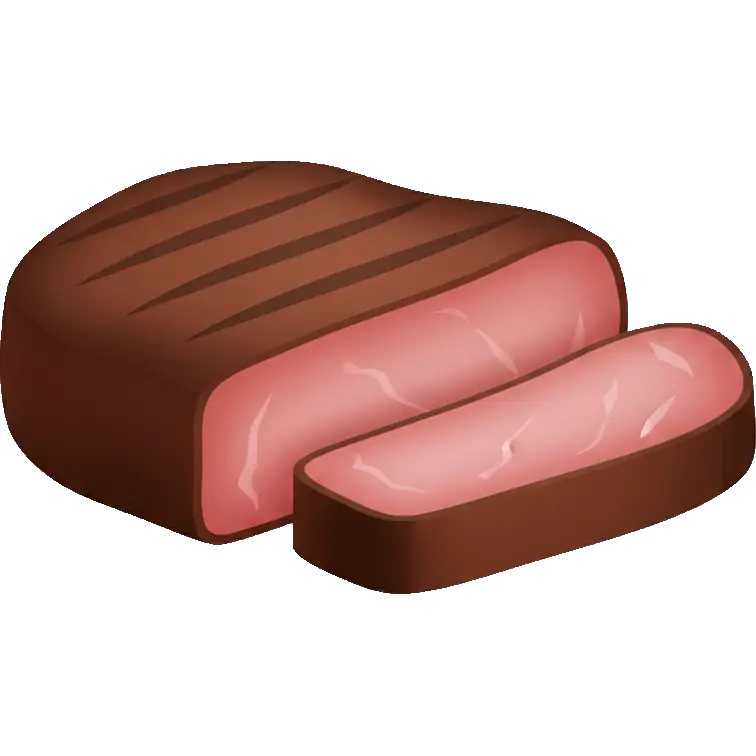
steak
Meat
Is steak high in tyramine?
Is steak high or low in tyramine? See its exact rating, how much counts as a portion, and its FODMAP, salicylate, oxalate and diet compatibility in one place.
Related checkers
Compare steak across criteria
Sensitivity notes
Why tyramine food checker matters
Tyramine is an amino acid that forms when proteins break down. It's found in aged, fermented, or spoiled foods. For people taking MAO inhibitors or those with tyramine sensitivity, it can cause headaches, elevated blood pressure, and other reactions.
- Choose fresh over aged, fermented, or preserved foods
- Eat protein foods fresh and store properly
- Be especially careful if taking MAO inhibitor medications
- Common high-tyramine foods include aged cheese, cured meats, and soy sauce
- Ripeness affects tyramine - choose less ripe fruits
Sensitivities
What steak contains
FODMAPs
Histamine & Amines
Plant compounds
Irritants
Additives
Allergens
Diet fit
Where steak fits
Therapeutic diets
Lifestyle diets
Religious diets
What to know about steak
A fresh steak, cooked and eaten the same day, is a clean protein: low in histamine, not a histamine liberator, low salicylate and free of gluten, dairy and nickel. The trigger question people really search is about aged steak, and that is where it changes. Dry-aged and long-aged cuts develop histamine over weeks of aging, so a dry-aged ribeye is a very different food from a fresh-cut sirloin. Doneness matters too: rest a hot steak and eat it fresh, and heavily charred, well-done searing adds a bit to the inflammatory side even though it does not change the chemistry triggers.
Watch for
- Fresh steak is low histamine, but dry-aged and long-aged cuts build histamine during aging: choose fresh-cut steak over dry-aged if you are histamine sensitive
- Like all cooked meat, steak accumulates histamine as leftovers, so the reheated portion is more of a risk than the freshly grilled one
- Heavy char from very high-heat searing sits on the mildly pro-inflammatory side; a good sear with a proper rest is fine, blackened well-done less so


Explore related in Meat
Compare similar foods to build a personalized list of swaps that work for your system.

Tyramine Guide
Everything you need to know about tyramine sensitivity and smart food choices.
Tyramine is an amino acid that forms when proteins break down. It's found in aged, fermented, or spoiled foods. For people taking MAO inhibitors or those with tyramine sensitivity, it can cause headaches, elevated blood pressure, and other reactions.
Sensitivity varies widely. What triggers one person may be fine for another. Track your reactions to find your personal threshold.
These foods are generally well-tolerated for Tyramine sensitivity:
View all safe options














These foods are high in tyramine and may trigger symptoms:
View full list



If you're sensitive to Tyramine, consider these strategies:
- 1Choose fresh over aged, fermented, or preserved foods
- 2Eat protein foods fresh and store properly
- 3Be especially careful if taking MAO inhibitor medications
- 4Common high-tyramine foods include aged cheese, cured meats, and soy sauce
- 5Ripeness affects tyramine - choose less ripe fruits
Pro tip: Keep a food diary to track your reactions. The Triggerbites app makes this easy with automatic pattern detection.
Want personalized tracking?
Download Triggerbites to log meals, track symptoms, and discover your unique triggers.
Get the AppFAQ
Is steak high in Tyramine?
Tyramine: low signal for most people.
Can I still eat steak if I'm sensitive to Tyramine?
Usually fine in normal portions.
What else should I check?
Check Alpha-gal, Vegan, and Vegetarian next for a fuller picture.