
plum
Fruit
Is plum high in salicylates?
Is plum high or low in salicylates? See its exact rating, how much counts as a portion, and its FODMAP, salicylate, oxalate and diet compatibility in one place.
Related checkers
Compare plum across criteria
Sensitivity notes
Why salicylates food checker matters
Salicylates are natural chemicals found in many fruits, vegetables, herbs, and spices. They're related to aspirin and can cause reactions in sensitive individuals including hives, asthma symptoms, nasal congestion, and digestive issues.
- Start by eliminating the highest sources: spices, herbs, and concentrated products
- Peel fruits and vegetables when possible to reduce salicylate content
- Fresh is usually better tolerated than dried or concentrated
- Build up tolerance slowly by reintroducing foods one at a time
- Sensitivity often improves with gut healing over time
Sensitivities
What plum contains
FODMAPs
Histamine & Amines
Plant compounds
Irritants
Additives
Allergens
Diet fit
Where plum fits
Therapeutic diets
Lifestyle diets
Religious diets
What to know about plum
A fresh plum carries a heavy sorbitol load on top of moderate fructose, so it lands high FODMAP and can loosen the bowel long before you reach prune territory. On the histamine side plum is a liberator, which is why some people notice flushing or a headache from it. Dry it into a prune and the sorbitol concentrates, turning the same fruit into a well-known remedy for constipation.
Watch for
- High in sorbitol, a polyol with a laxative, water-drawing effect that is the main reason plums and prunes loosen the gut
- Moderate excess fructose adds to the FODMAP load, pushing a whole plum into the high range
- Histamine liberator, so it can set off flushing or headaches even though it is not a high-histamine food
- Salicylate content is only moderate, so plums are usually gentler there than citrus or berries



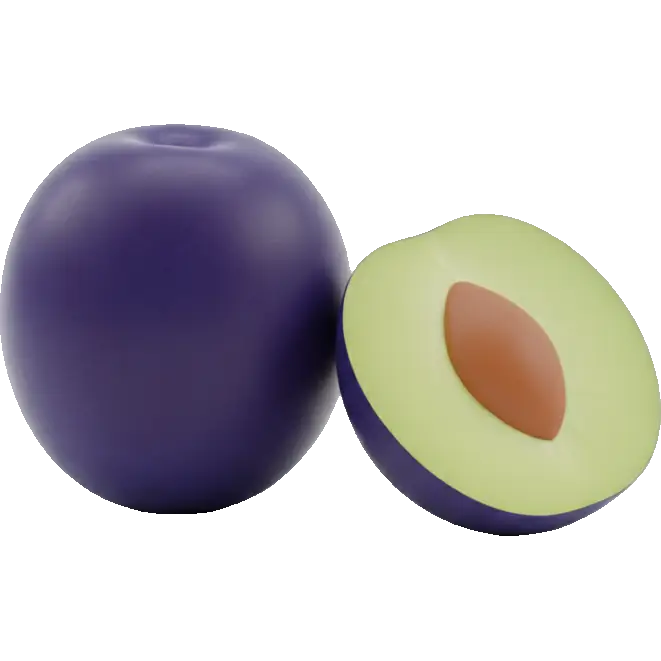
Explore related in Fruit
Compare similar foods to build a personalized list of swaps that work for your system.




Salicylates Guide
Everything you need to know about salicylates sensitivity and smart food choices.
Salicylates are natural chemicals found in many fruits, vegetables, herbs, and spices. They're related to aspirin and can cause reactions in sensitive individuals including hives, asthma symptoms, nasal congestion, and digestive issues.
Sensitivity varies widely. What triggers one person may be fine for another. Track your reactions to find your personal threshold.
These foods are generally well-tolerated for Salicylates sensitivity:
View all safe options






These foods have moderate levels and may be tolerated in small amounts:







These foods are high in salicylates and may trigger symptoms:
View full list





If you're sensitive to Salicylates, consider these strategies:
- 1Start by eliminating the highest sources: spices, herbs, and concentrated products
- 2Peel fruits and vegetables when possible to reduce salicylate content
- 3Fresh is usually better tolerated than dried or concentrated
- 4Build up tolerance slowly by reintroducing foods one at a time
- 5Sensitivity often improves with gut healing over time
Pro tip: Keep a food diary to track your reactions. The Triggerbites app makes this easy with automatic pattern detection.
Want personalized tracking?
Download Triggerbites to log meals, track symptoms, and discover your unique triggers.
Get the AppFAQ
Is plum high in Salicylates?
Salicylates: moderate signal - portion size matters.
Can I still eat plum if I'm sensitive to Salicylates?
Try smaller portions and space it out.
What else should I check?
Check Histamine Liberators, FODMAPs, and Polyols next for a fuller picture.