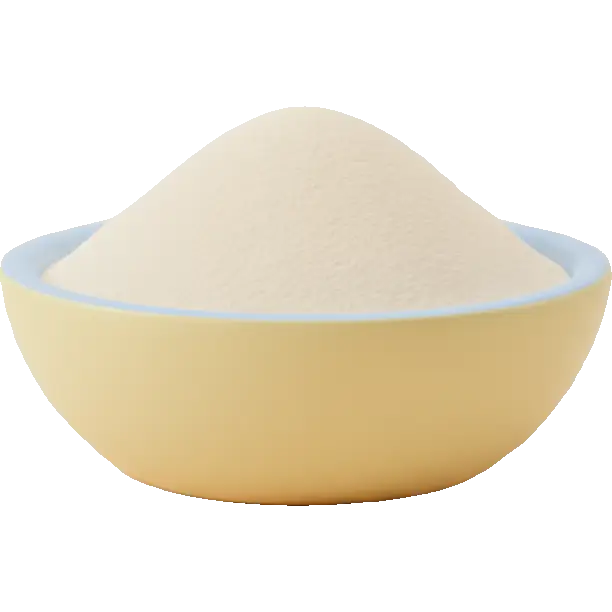
sorghum flour
Grains
Is sorghum flour high in polyols?
Is sorghum flour high or low in polyols? See its exact rating, how much counts as a portion, and its FODMAP, salicylate, oxalate and diet compatibility in one place.
Related checkers
Compare sorghum flour across criteria
Sensitivity notes
Why polyols food checker matters
Polyols (sugar alcohols) are found naturally in some fruits and vegetables, and are used as artificial sweeteners. They're poorly absorbed and can cause digestive symptoms, especially in IBS sufferers.
- Avoid sugar-free products with sorbitol, mannitol, xylitol, maltitol
- Stone fruits are naturally high in polyols
- Cooking doesn't reduce polyol content
- Avocado portion size matters - small amounts may be fine
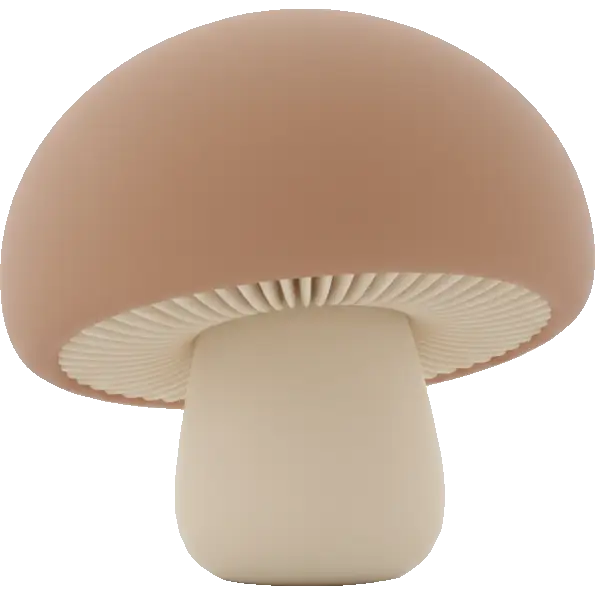
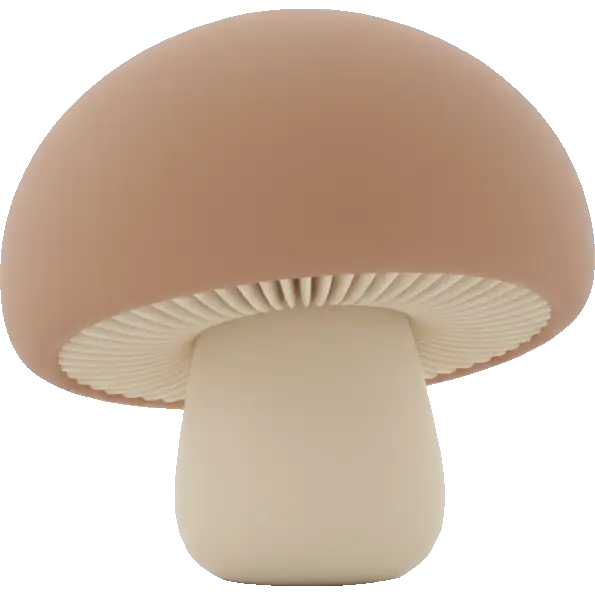
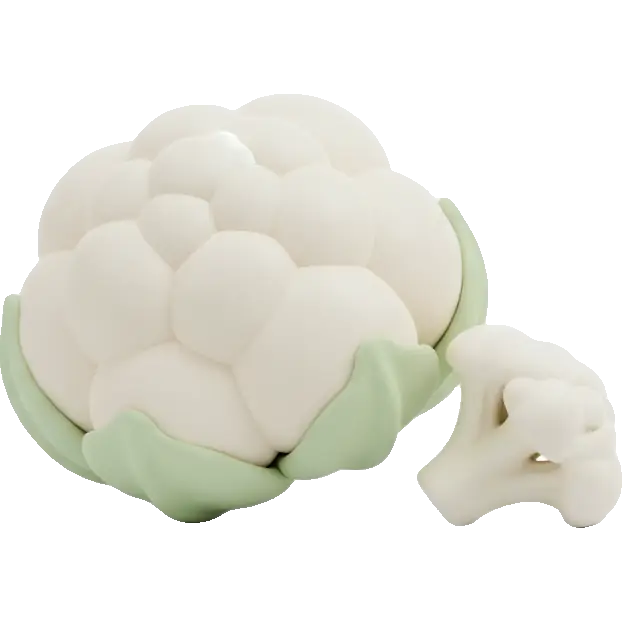
- Cauliflower and mushrooms are common triggers
Sensitivities
What sorghum flour contains
FODMAPs
Histamine & Amines
Plant compounds
Irritants
Additives
Allergens
Diet fit
Where sorghum flour fits
Therapeutic diets
Lifestyle diets
Religious diets
What to know about sorghum flour
Sorghum flour is the whole grain milled fine, and it is the mildest of the gluten free wholegrain flours: soft textured, faintly sweet, without the sourness of teff or the grassiness of quinoa flour. That neutrality is why it does the heavy lifting in so many gluten free bread and cake blends. It is graded A for gluten and A for lactose and dairy protein, so it clears the two biggest baking allergens outright. Where it parts company with the intact grain is on the borderlines: our data grades the flour C for salicylates and C for oxalate and B for histamine, while whole sorghum grain is graded clean on all three. If you track salicylates or oxalate, log sorghum flour as its own entry rather than folding it in under sorghum, and treat it as the more cautious of the two.
Watch for
- Graded borderline (C) for both salicylates and oxalate, where whole sorghum grain is not.C is moderate, not high, so this is a portion and tracking question rather than a reason to cut it
- Flour is the format where wheat cross contamination actually happens: shared mills, shared bulk bins, shared scoops.Certified gluten free matters more for the flour than for the packaged grain
- It is almost never used alone.A typical blend pairs it with a starch such as tapioca or rice plus a gum, so a reaction to a sorghum flour bake may belong to the starch, the gum or the egg replacer instead
- Graded mildly elevated (B) for histamine and tyramine, which is worth knowing for a long fermented sorghum sourdough rather than for a quick soda bread
- Wholegrain flour still carries the bran, so it behaves like a high fibre flour: a loaf made mostly of sorghum flour is a real fibre load in one sitting




Explore related in Grains
Compare similar foods to build a personalized list of swaps that work for your system.

Polyols Guide
Everything you need to know about polyols sensitivity and smart food choices.
Polyols (sugar alcohols) are found naturally in some fruits and vegetables, and are used as artificial sweeteners. They're poorly absorbed and can cause digestive symptoms, especially in IBS sufferers.
Sensitivity varies widely. What triggers one person may be fine for another. Track your reactions to find your personal threshold.
These foods are generally well-tolerated for Polyols sensitivity:
View all safe options




These foods have moderate levels and may be tolerated in small amounts:





These foods are high in polyols and may trigger symptoms:
View full list

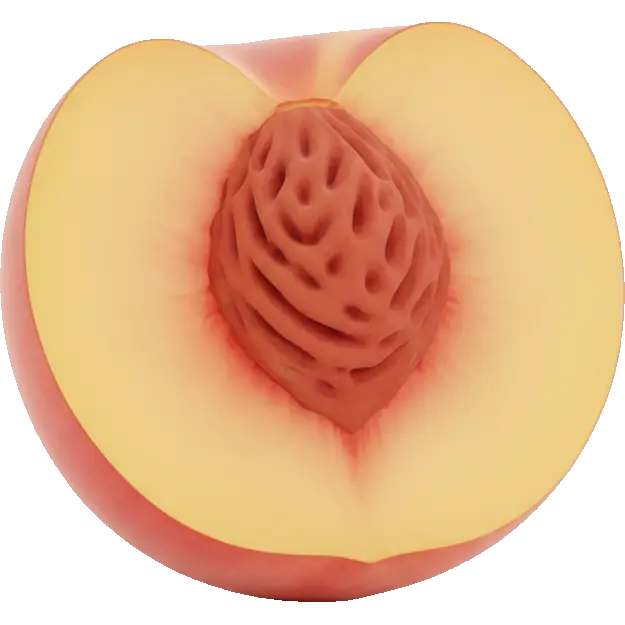
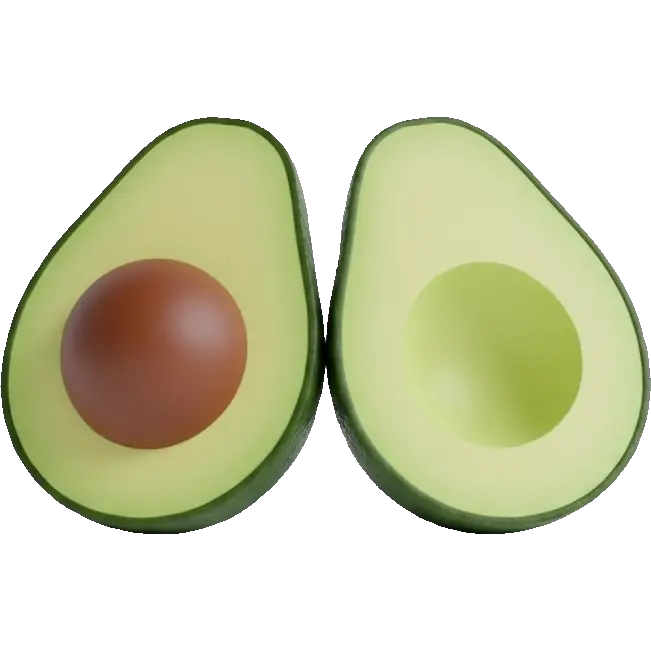
If you're sensitive to Polyols, consider these strategies:
- 1Avoid sugar-free products with sorbitol, mannitol, xylitol, maltitol
- 2Stone fruits are naturally high in polyols
- 3Cooking doesn't reduce polyol content
- 4Avocado portion size matters - small amounts may be fine
- 5Cauliflower and mushrooms are common triggers
Pro tip: Keep a food diary to track your reactions. The Triggerbites app makes this easy with automatic pattern detection.
Want personalized tracking?
Download Triggerbites to log meals, track symptoms, and discover your unique triggers.
Get the AppFAQ
Is sorghum flour high in Polyols?
Polyols: higher signal - consider smaller servings or swaps.
Can I still eat sorghum flour if I'm sensitive to Polyols?
Best to avoid or test carefully with a small amount.
What else should I check?
Check AIP, Specific Carbohydrate, and Paleo next for a fuller picture.