savory
Herbs & Spices
Is savory high in polyols?
Is savory high or low in polyols? See its exact rating, how much counts as a portion, and its FODMAP, salicylate, oxalate and diet compatibility in one place.
Related checkers
Compare savory across criteria
Sensitivity notes
Why polyols food checker matters
Polyols (sugar alcohols) are found naturally in some fruits and vegetables, and are used as artificial sweeteners. They're poorly absorbed and can cause digestive symptoms, especially in IBS sufferers.
- Avoid sugar-free products with sorbitol, mannitol, xylitol, maltitol
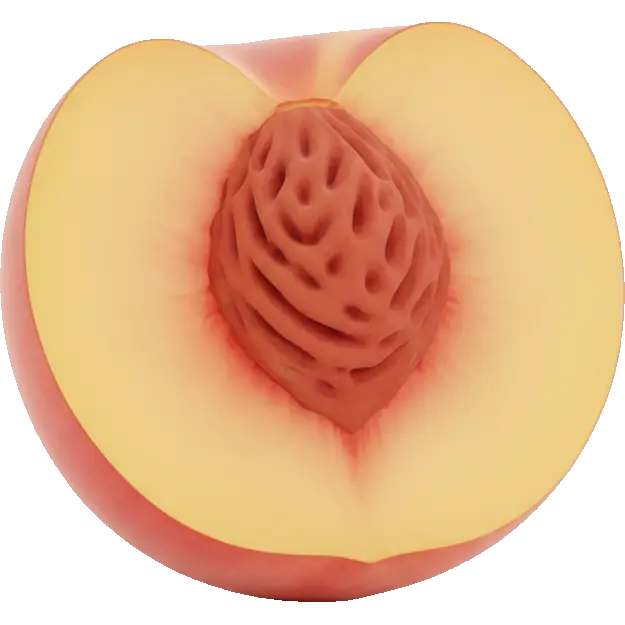
- Stone fruits are naturally high in polyols
- Cooking doesn't reduce polyol content
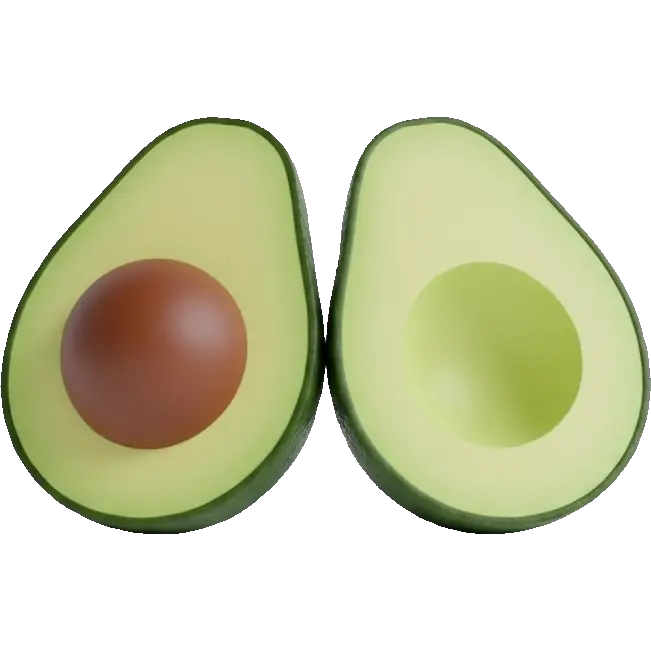
- Avocado portion size matters - small amounts may be fine
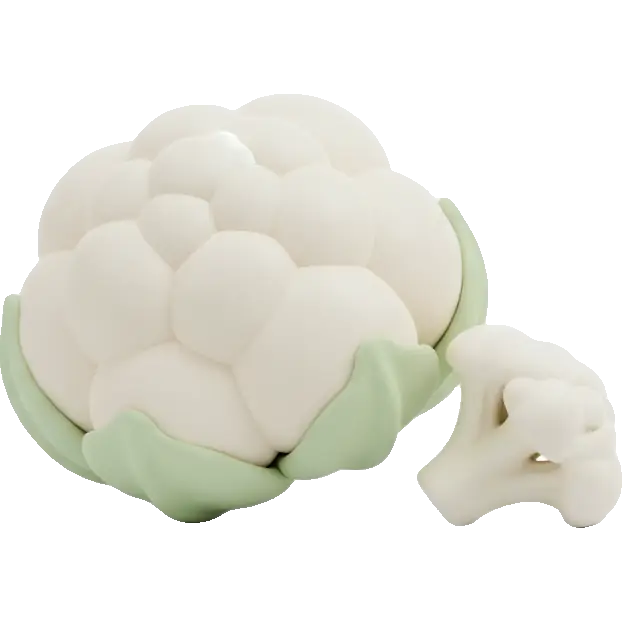
- Cauliflower and mushrooms are common triggers
Sensitivities
What savory contains
FODMAPs
Histamine & Amines
Plant compounds
Irritants
Additives
Allergens
Diet fit
Where savory fits
Therapeutic diets
Lifestyle diets
Religious diets
What to know about savory
Savory is the peppery, thyme-adjacent herb that European cooking has always thrown into the bean pot. German still calls it Bohnenkraut, literally bean herb, and the folk claim attached to it is that it makes beans easier on the stomach. On the trigger side it reads like most dried leaf herbs and reads well: clean across every FODMAP subgroup, so it adds no fructans or GOS to a low FODMAP meal, plus A for gluten, lactose, nickel, sulfites, nitrites and tyramine. Its one genuine flag is a moderate C on salicylates, with mild B marks for histamine liberation, oxalate and free glutamate. If you buy blends rather than jars, note that the Label Rouge specification for herbes de Provence is 27% savory alongside rosemary, oregano and thyme, so you are very likely eating it without ever reading its name.
Watch for
- Moderate salicylate (C).Drying concentrates leaf herbs by weight, so a heaped teaspoon of dried savory rubbed over a roast is a meaningfully bigger salicylate dose than a few fresh sprigs simmered in a pot and pulled out
- The bean-gas tradition is culinary folklore, not a FODMAP mechanism.Savory does not break down the galacto-oligosaccharides that actually ferment in beans. It is low FODMAP itself, so it adds nothing, but it also subtracts nothing
- Summer savory (Satureja hortensis) and winter or mountain savory (Satureja montana) are different species with different intensity.The winter type is more resinous and pine-like, and we grade mountain savory separately
- Hidden in blends.Herbes de Provence carries the same moderate salicylate profile, so if a Provencal-seasoned dish repeats on you, savory is one of four candidates in the jar and worth isolating before you blame the whole mix
- Mild histamine liberator (B), low enough that it is usually a workable seasoning on a histamine-restricted plate



Explore related in Herbs & Spices
Compare similar foods to build a personalized list of swaps that work for your system.


Polyols Guide
Everything you need to know about polyols sensitivity and smart food choices.
Polyols (sugar alcohols) are found naturally in some fruits and vegetables, and are used as artificial sweeteners. They're poorly absorbed and can cause digestive symptoms, especially in IBS sufferers.
Sensitivity varies widely. What triggers one person may be fine for another. Track your reactions to find your personal threshold.
These foods are generally well-tolerated for Polyols sensitivity:
View all safe options







These foods have moderate levels and may be tolerated in small amounts:




These foods are high in polyols and may trigger symptoms:
View full list

If you're sensitive to Polyols, consider these strategies:
- 1Avoid sugar-free products with sorbitol, mannitol, xylitol, maltitol
- 2Stone fruits are naturally high in polyols
- 3Cooking doesn't reduce polyol content
- 4Avocado portion size matters - small amounts may be fine
- 5Cauliflower and mushrooms are common triggers
Pro tip: Keep a food diary to track your reactions. The Triggerbites app makes this easy with automatic pattern detection.
Want personalized tracking?
Download Triggerbites to log meals, track symptoms, and discover your unique triggers.
Get the AppFAQ
Is savory high in Polyols?
Polyols: low signal for most people.
Can I still eat savory if I'm sensitive to Polyols?
Usually fine in normal portions.
What else should I check?
Check Salicylates, Low Salicylate, and Histamine Liberators next for a fuller picture.