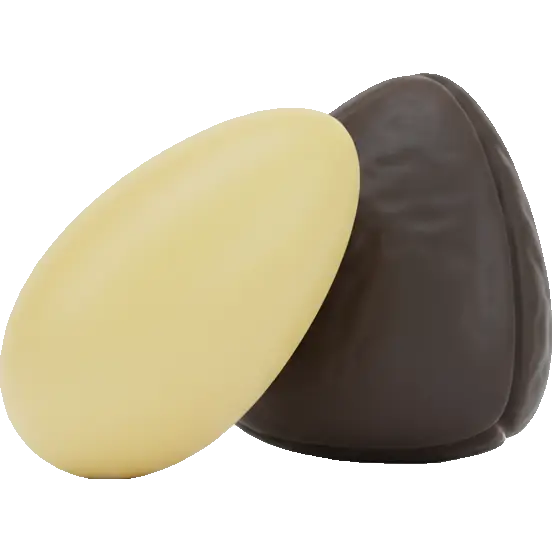
pili nuts
Nuts & Seeds
Is pili nuts high in polyols?
Is pili nuts high or low in polyols? See its exact rating, how much counts as a portion, and its FODMAP, salicylate, oxalate and diet compatibility in one place.
Related checkers
Compare pili nuts across criteria
Sensitivity notes
Why polyols food checker matters
Polyols (sugar alcohols) are found naturally in some fruits and vegetables, and are used as artificial sweeteners. They're poorly absorbed and can cause digestive symptoms, especially in IBS sufferers.
- Avoid sugar-free products with sorbitol, mannitol, xylitol, maltitol
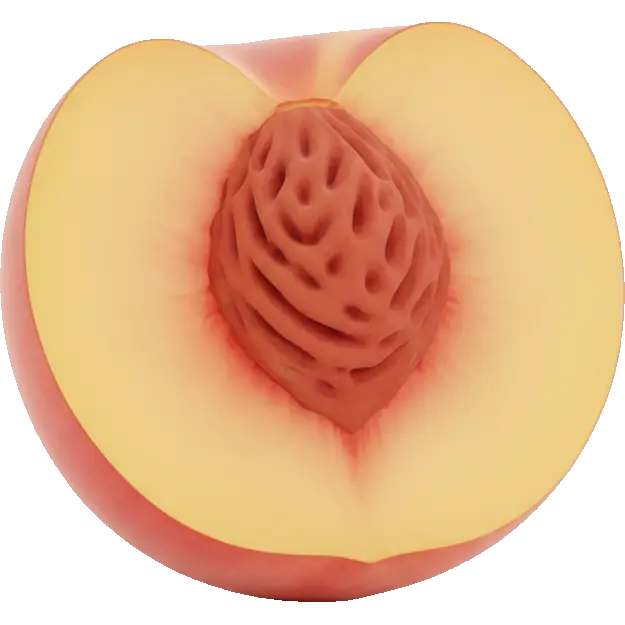
- Stone fruits are naturally high in polyols
- Cooking doesn't reduce polyol content
- Avocado portion size matters - small amounts may be fine
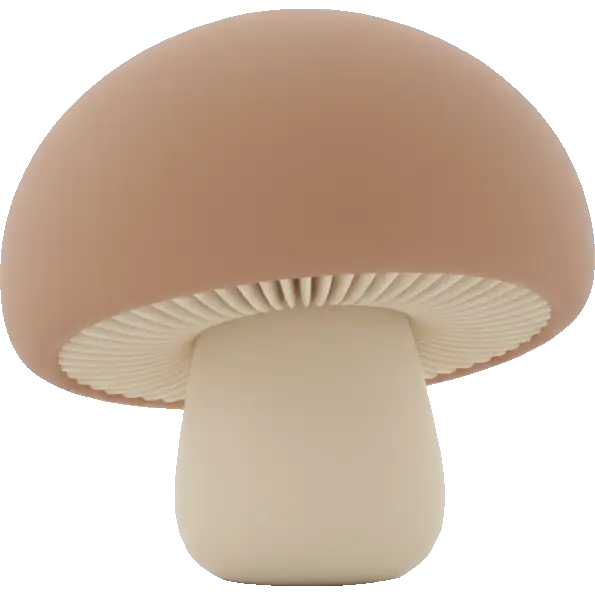
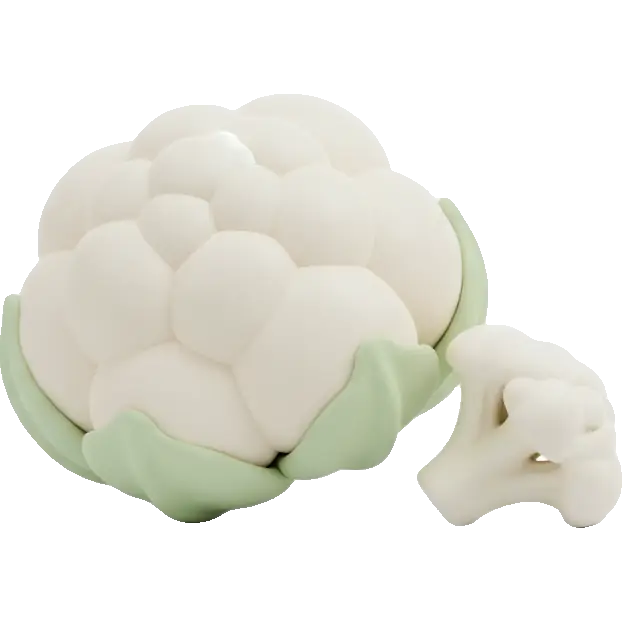
- Cauliflower and mushrooms are common triggers
Sensitivities
What pili nuts contains
FODMAPs
Histamine & Amines
Plant compounds
Irritants
Additives
Allergens
Diet fit
Where pili nuts fits
Therapeutic diets
Lifestyle diets
Religious diets
What to know about pili nuts
Pili nuts are a buttery Philippine tree nut (Canarium ovatum) that keto and low-carb eaters buy for their unusually high fat and low starch. Their one strong trigger is nickel: pili is graded D, putting it with the nut and seed group that dominates dietary nickel intake, which matters if you get eczema or dermatitis flares from nickel foods. Salicylates, oxalate and lectins all sit at a moderate C. The good news buried in the data is histamine: pili is clean there, unlike walnuts, almonds and cashews, so it is one of the few nuts a histamine-intolerant reader can usually keep.
Watch for
- High in nickel (graded D).Nuts and seeds are the single largest dietary nickel source for most people, so pili is a plausible culprit behind hand eczema, pompholyx or a systemic nickel allergy flare
- Moderate oxalate, which is actually the headline if you are comparing nuts: pili sits at C while almonds, cashews and walnuts are all graded E, so switching to pili is a real oxalate reduction rather than a lateral move
- Moderate salicylate and moderate lectin content, both dose-dependent.A small handful behaves very differently from the half-jar that pili nuts invite
- A true tree nut, in the Burseraceae family.It is not botanically related to almonds or cashews, but tree nut allergy advice still applies and there is no reason to assume you tolerate pili because you tolerate other nuts
- FODMAP content is unrated, not proven low.Pili has never been through Monash testing, so treat gut symptoms as unexplained rather than ruled out
Explore related in Nuts & Seeds
Compare similar foods to build a personalized list of swaps that work for your system.

Polyols Guide
Everything you need to know about polyols sensitivity and smart food choices.
Polyols (sugar alcohols) are found naturally in some fruits and vegetables, and are used as artificial sweeteners. They're poorly absorbed and can cause digestive symptoms, especially in IBS sufferers.
Sensitivity varies widely. What triggers one person may be fine for another. Track your reactions to find your personal threshold.
These foods are generally well-tolerated for Polyols sensitivity:
View all safe options







These foods have moderate levels and may be tolerated in small amounts:



These foods are high in polyols and may trigger symptoms:
View full list


If you're sensitive to Polyols, consider these strategies:
- 1Avoid sugar-free products with sorbitol, mannitol, xylitol, maltitol
- 2Stone fruits are naturally high in polyols
- 3Cooking doesn't reduce polyol content
- 4Avocado portion size matters - small amounts may be fine
- 5Cauliflower and mushrooms are common triggers
Pro tip: Keep a food diary to track your reactions. The Triggerbites app makes this easy with automatic pattern detection.
Want personalized tracking?
Download Triggerbites to log meals, track symptoms, and discover your unique triggers.
Get the AppFAQ
Is pili nuts high in Polyols?
Polyols: higher signal - consider smaller servings or swaps.
Can I still eat pili nuts if I'm sensitive to Polyols?
Best to avoid or test carefully with a small amount.
What else should I check?
Check AIP, Low Fibre, and Gastroparesis Diet next for a fuller picture.