 Back to Polyols food checker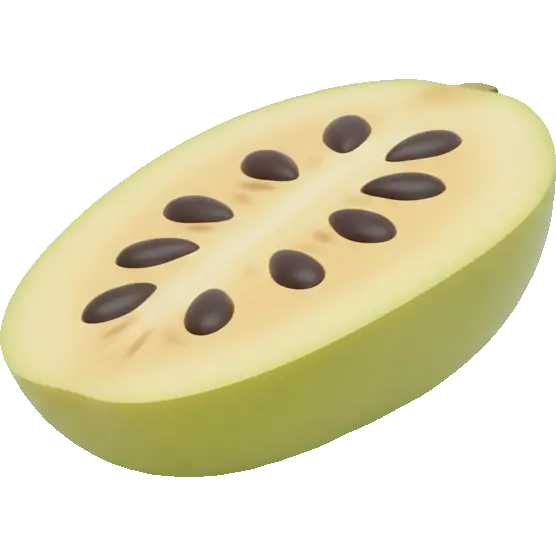
pawpaw
Fruit
Is pawpaw high in polyols?
Is pawpaw high or low in polyols? See its exact rating, how much counts as a portion, and its FODMAP, salicylate, oxalate and diet compatibility in one place.

Related checkers
Compare pawpaw across criteria

Sensitivity notes
Why polyols food checker matters
Polyols (sugar alcohols) are found naturally in some fruits and vegetables, and are used as artificial sweeteners. They're poorly absorbed and can cause digestive symptoms, especially in IBS sufferers.
- Avoid sugar-free products with sorbitol, mannitol, xylitol, maltitol
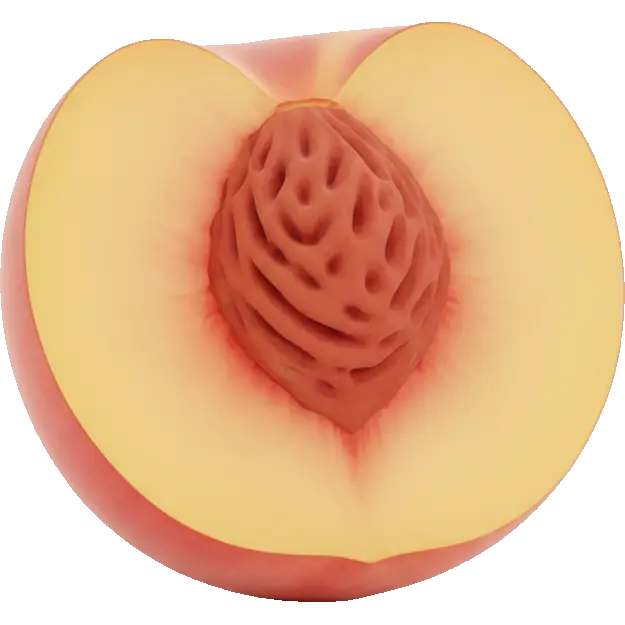
- Stone fruits are naturally high in polyols
- Cooking doesn't reduce polyol content
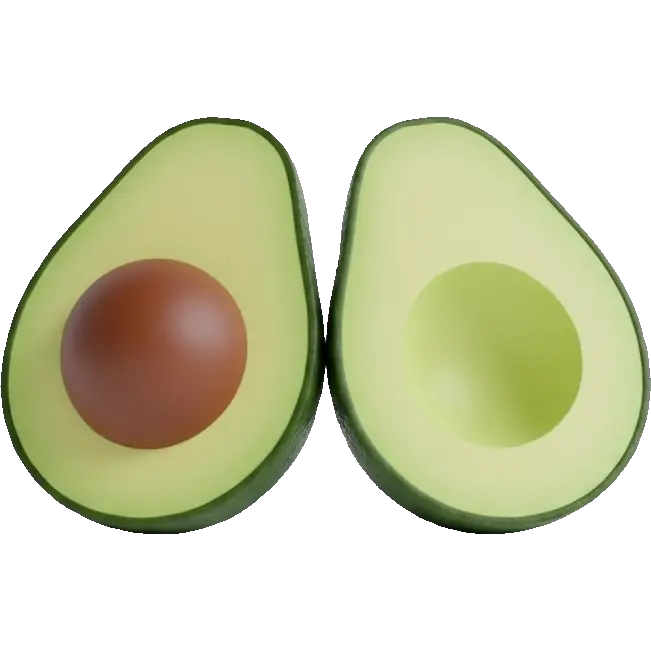
- Avocado portion size matters - small amounts may be fine
- Cauliflower and mushrooms are common triggers

Sensitivities
What pawpaw contains
FODMAPs







Histamine & Amines



Plant compounds




Irritants




Additives



Allergens
















Diet fit
Where pawpaw fits
Therapeutic diets










Lifestyle diets









Religious diets






What to know about pawpaw
Start with the name, because it decides everything else. In North America pawpaw means Asimina triloba, the largest fruit native to the United States: a stubby green pod with custardy yellow flesh that tastes of banana, mango and vanilla, in season for a few weeks in autumn and too fragile to ship. In Australia, the UK and much of Africa and the Caribbean, pawpaw is the everyday word for papaya, which is a completely unrelated fruit with its own page and a very different trigger profile. This page is about Asimina. Its FODMAP row is genuinely good news and sets it apart from its relatives: A for total FODMAPs, fructans, GOS and polyols, with only a mild B for excess fructose, so it grades low FODMAP where cherimoya grades E and sugar apple grades D. It is also A for histamine content, tyramine, oxalates, nickel, gluten, lactose, dairy protein, free glutamates, sulfites, nitrites and nightshades. The caution is the family one. Pawpaw is an Annonaceae, the same family as cherimoya, sugar apple, atemoya and soursop, and like them it produces annonaceous acetogenins including annonacin, concentrated overwhelmingly in the seeds, skin and twigs rather than the pulp. Do not eat the seeds or the skin, and never blend a pawpaw whole.
Watch for
- Never eat the seeds or the skin, and never put a whole pawpaw through a blender or food processor.The acetogenins that give the Annonaceae their seed warning are concentrated in exactly those parts, and pawpaw twigs are a commercial source of acetogenin extract. Scoop the pulp off the large brown seeds and discard them intact
- Some people get a straightforward gastrointestinal reaction to pawpaw itself: nausea, cramping, vomiting or diarrhoea within hours, even from a small amount.It is well known enough among growers to be one of the reasons the fruit never went commercial, and it is not a FODMAP effect. If pawpaw has done this to you once, it is not a fruit to keep retrying
- Handling the fruit and skin in quantity has been reported to cause contact dermatitis in pickers and processors.Relevant if you are peeling a crate of it rather than eating one
- Annonacin has been measured in Annonaceae fruit pulp, and the epidemiological signal linking heavy habitual Annona consumption to atypical parkinsonism comes from populations in Guadeloupe eating soursop fruit and leaf teas near daily over years.No equivalent finding has been published for pawpaw. The proportionate reading is to enjoy pawpaw as the short seasonal treat it is rather than turning it into a daily smoothie habit
- Overripe pawpaw goes from custardy to fermented very quickly.The fruit grades A for histamine, but flesh that has turned dark, sharp or yeasty is a different food and worth skipping if amines are your issue



Explore related in Fruit
Compare similar foods to build a personalized list of swaps that work for your system.


Polyols Guide
Everything you need to know about polyols sensitivity and smart food choices.
Polyols (sugar alcohols) are found naturally in some fruits and vegetables, and are used as artificial sweeteners. They're poorly absorbed and can cause digestive symptoms, especially in IBS sufferers.
Sensitivity varies widely. What triggers one person may be fine for another. Track your reactions to find your personal threshold.

These foods are generally well-tolerated for Polyols sensitivity:
View all safe options








These foods have moderate levels and may be tolerated in small amounts:




These foods are high in polyols and may trigger symptoms:
View full list


If you're sensitive to Polyols, consider these strategies:
- 1Avoid sugar-free products with sorbitol, mannitol, xylitol, maltitol
- 2Stone fruits are naturally high in polyols
- 3Cooking doesn't reduce polyol content
- 4Avocado portion size matters - small amounts may be fine
- 5Cauliflower and mushrooms are common triggers
Pro tip: Keep a food diary to track your reactions. The Triggerbites app makes this easy with automatic pattern detection.
Want personalized tracking?
Download Triggerbites to log meals, track symptoms, and discover your unique triggers.
Get the AppFAQ
Is pawpaw high in Polyols?
Polyols: low signal for most people.
Can I still eat pawpaw if I'm sensitive to Polyols?
Usually fine in normal portions.
What else should I check?
Check Keto, Histamine Liberators, and Fructose next for a fuller picture.