 Back to Polyols food checker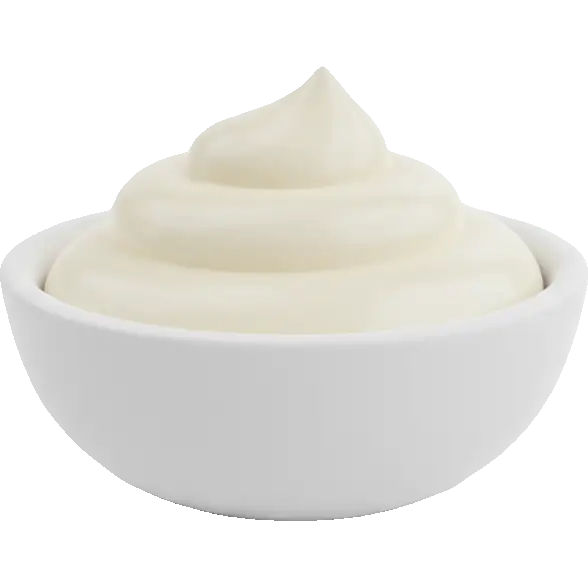
mayonnaise
Condiments & Sauces
Is mayonnaise high in polyols?
Is mayonnaise high or low in polyols? See its exact rating, how much counts as a portion, and its FODMAP, salicylate, oxalate and diet compatibility in one place.

Related checkers
Compare mayonnaise across criteria

Sensitivity notes
Why polyols food checker matters
Polyols (sugar alcohols) are found naturally in some fruits and vegetables, and are used as artificial sweeteners. They're poorly absorbed and can cause digestive symptoms, especially in IBS sufferers.
- Avoid sugar-free products with sorbitol, mannitol, xylitol, maltitol
- Stone fruits are naturally high in polyols
- Cooking doesn't reduce polyol content
- Avocado portion size matters - small amounts may be fine
- Cauliflower and mushrooms are common triggers

Sensitivities
What mayonnaise contains
FODMAPs







Histamine & Amines



Plant compounds




Irritants




Additives



Allergens
















Diet fit
Where mayonnaise fits
Therapeutic diets










Lifestyle diets









Religious diets






What to know about mayonnaise
Mayonnaise is not a single ingredient, it is egg yolk, oil and an acid like vinegar or lemon, so its trigger profile is the sum of a few borderline parts rather than one big one. It carries moderate sulfites (graded C), sits borderline on histamine and salicylates (both B), and because it is egg based it does not fit an egg-free or EoE elimination plan. None of these is severe alone, but together they explain why mayo shows up on reaction logs more than a plain oil would.
Watch for
- Moderate sulfites (graded C), which can come from the vinegar and preservatives in commercial jars and bother sulfite-sensitive people
- Borderline on histamine and salicylates, a low-level double that adds up if you already react to aged or salicylate-rich foods
- Egg based, so it does not fit an egg-free or eosinophilic esophagitis (EoE) elimination diet
- The oil is usually a refined seed oil, which is why it grades only middling on the anti-inflammatory scale



Explore related in Condiments & Sauces
Compare similar foods to build a personalized list of swaps that work for your system.

Polyols Guide
Everything you need to know about polyols sensitivity and smart food choices.
Polyols (sugar alcohols) are found naturally in some fruits and vegetables, and are used as artificial sweeteners. They're poorly absorbed and can cause digestive symptoms, especially in IBS sufferers.
Sensitivity varies widely. What triggers one person may be fine for another. Track your reactions to find your personal threshold.

These foods are generally well-tolerated for Polyols sensitivity:
View all safe options








These foods have moderate levels and may be tolerated in small amounts:






These foods are high in polyols and may trigger symptoms:
View full list





If you're sensitive to Polyols, consider these strategies:
- 1Avoid sugar-free products with sorbitol, mannitol, xylitol, maltitol
- 2Stone fruits are naturally high in polyols
- 3Cooking doesn't reduce polyol content
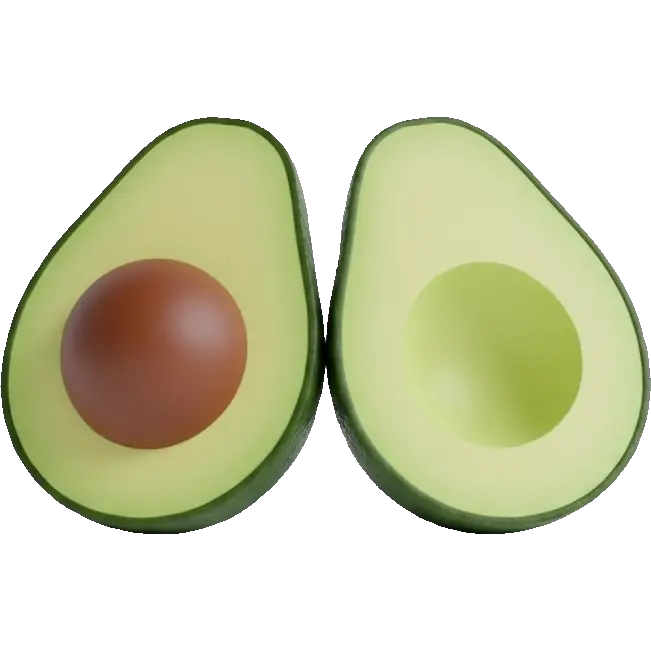
- 4Avocado portion size matters - small amounts may be fine
- 5Cauliflower and mushrooms are common triggers
Pro tip: Keep a food diary to track your reactions. The Triggerbites app makes this easy with automatic pattern detection.
Want personalized tracking?
Download Triggerbites to log meals, track symptoms, and discover your unique triggers.
Get the AppFAQ
Is mayonnaise high in Polyols?
Polyols: low signal for most people.
Can I still eat mayonnaise if I'm sensitive to Polyols?
Usually fine in normal portions.
What else should I check?
Check Vegan, EoE Compatible, and Jain next for a fuller picture.