 Back to Ingredient checker
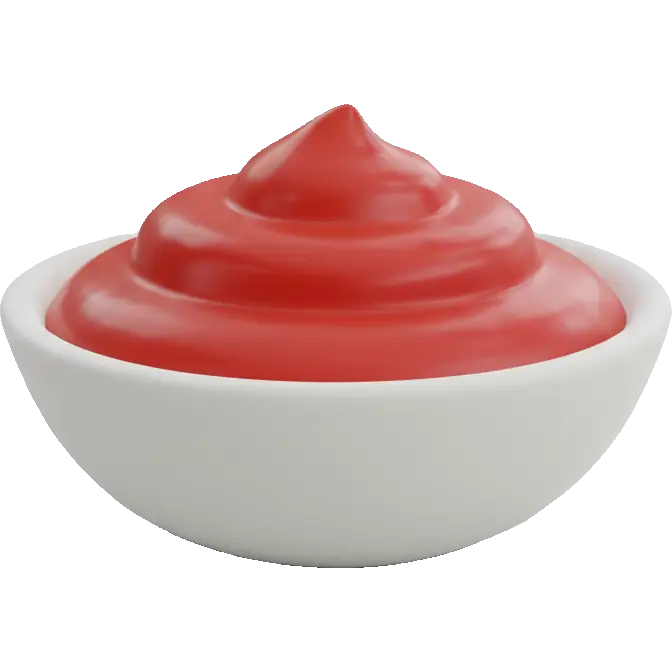
ketchup
Condiments & Sauces
Trigger checker for ketchup
See ketchup rated across every trigger — FODMAP, histamine, salicylate, oxalate, tyramine and more — plus diet compatibility, all in one quick ingredient profile.

Related checkers
Compare ketchup across criteria

Sensitivities
What ketchup contains
FODMAPs







Histamine & Amines



Plant compounds




Irritants




Additives



Allergens
















Diet fit
Where ketchup fits
Therapeutic diets










Lifestyle diets









Religious diets






What to know about ketchup
Ketchup is the textbook stacked trigger: no single ingredient in it is extreme, but it borders on a problem across an unusual number of them at once. It is made from concentrated tomatoes (nightshade plus histamine), cooked and aged (histamine and glutamate build up), sweetened with high-fructose syrup (excess fructose and FODMAPs) and often preserved with sulfites. Individually each is a moderate load; together, in the amount people actually use, they can push a sensitive person over the edge when a plain tomato would not. If you react to ketchup but tolerate fresh tomato, the processing is usually why.
Watch for
- Concentrated tomato makes it a nightshade and moderately high in histamine, two triggers in one spoonful
- Cooking and ageing raise free glutamate (a savoury, MSG-like load) and histamine beyond that of a fresh tomato
- Sweetened with high-fructose corn syrup, so it carries excess fructose and a moderate FODMAP load
- Often preserved with sulfites, a further additive trigger, and it is pro-inflammatory overall thanks to the sugar and processing



Explore related in Condiments & Sauces
Compare similar foods to build a personalized list of swaps that work for your system.
FAQ
What does the FODMAP rating mean for ketchup?
Medium FODMAP: portion size matters more than the ingredient itself.
Is ketchup generally well tolerated?
Histamine (Moderate) and Histamine Liberators (Moderate) Start with those if you react.
What should I check next?
Compare within the Condiments & Sauces group.