
fiddlehead
Vegetables
Is fiddlehead high in polyols?
Is fiddlehead high or low in polyols? See its exact rating, how much counts as a portion, and its FODMAP, salicylate, oxalate and diet compatibility in one place.
Related checkers
Compare fiddlehead across criteria
Sensitivity notes
Why polyols food checker matters
Polyols (sugar alcohols) are found naturally in some fruits and vegetables, and are used as artificial sweeteners. They're poorly absorbed and can cause digestive symptoms, especially in IBS sufferers.
- Avoid sugar-free products with sorbitol, mannitol, xylitol, maltitol
- Stone fruits are naturally high in polyols
- Cooking doesn't reduce polyol content
- Avocado portion size matters - small amounts may be fine
- Cauliflower and mushrooms are common triggers
Sensitivities
What fiddlehead contains
FODMAPs
Histamine & Amines
Plant compounds
Irritants
Additives
Allergens
Diet fit
Where fiddlehead fits
Therapeutic diets
Lifestyle diets
Religious diets
What to know about fiddlehead
Fiddleheads are the tightly coiled spring shoots of the ostrich fern, and they are the rare vegetable where the cooking instructions are the safety information. On the chemical triggers they are quiet: graded clean on histamine, histamine liberation, tyramine, gluten, lactose, nickel, sulfites and glutamates, with only salicylate and oxalate borderline and the FODMAP subgroups unrated. What fiddleheads do carry is an unidentified natural toxin that survives light cooking. Raw and undercooked fiddleheads have caused documented foodborne illness outbreaks in the United States and Canada, and the reported cases came from shoots that were eaten raw, briefly blanched or simply sauteed. Boiling for 15 minutes, or steaming for 10 to 12 minutes, and then throwing away that water is what makes them food.
Watch for
- Cook them properly or do not eat them.Boil in a generous amount of water for 15 minutes, or steam for 10 to 12 minutes until tender, and discard the cooking water. Only then finish them in a pan. A quick saute, a 60 second blanch or a trip through the microwave is not enough, and that is exactly what the illness reports have in common.
- Symptoms of the toxin look like food poisoning, not intolerance: nausea, vomiting, diarrhoea, stomach cramps and headache, starting anywhere from half an hour to several hours after the meal and usually clearing within a day.If everyone at the table got ill, you are looking at undercooking rather than a sensitivity.
- Never eat them raw.There is no raw fiddlehead salad worth making, and the toxin responsible has still not been chemically identified, so there is no dose you can reason your way around.
- Not every fiddlehead is an ostrich fern.Bracken fern shoots are also foraged as fiddleheads and are a separate problem: bracken contains ptaquiloside, a compound with established carcinogenic activity. Buy the fern rather than the shape, and leave unidentified coils in the woods.
- Trim the brown papery husk and rinse the coils through several changes of water before cooking.Salicylate and oxalate sit at borderline, minor points next to the preparation rule.





Explore related in Vegetables
Compare similar foods to build a personalized list of swaps that work for your system.





Polyols Guide
Everything you need to know about polyols sensitivity and smart food choices.
Polyols (sugar alcohols) are found naturally in some fruits and vegetables, and are used as artificial sweeteners. They're poorly absorbed and can cause digestive symptoms, especially in IBS sufferers.
Sensitivity varies widely. What triggers one person may be fine for another. Track your reactions to find your personal threshold.
These foods are generally well-tolerated for Polyols sensitivity:
View all safe options






These foods have moderate levels and may be tolerated in small amounts:



These foods are high in polyols and may trigger symptoms:
View full list



If you're sensitive to Polyols, consider these strategies:
- 1Avoid sugar-free products with sorbitol, mannitol, xylitol, maltitol
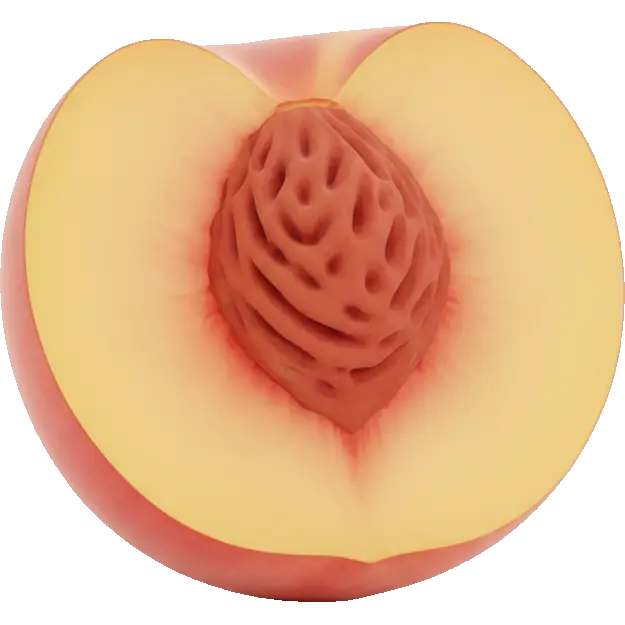
- 2Stone fruits are naturally high in polyols
- 3Cooking doesn't reduce polyol content
- 4Avocado portion size matters - small amounts may be fine
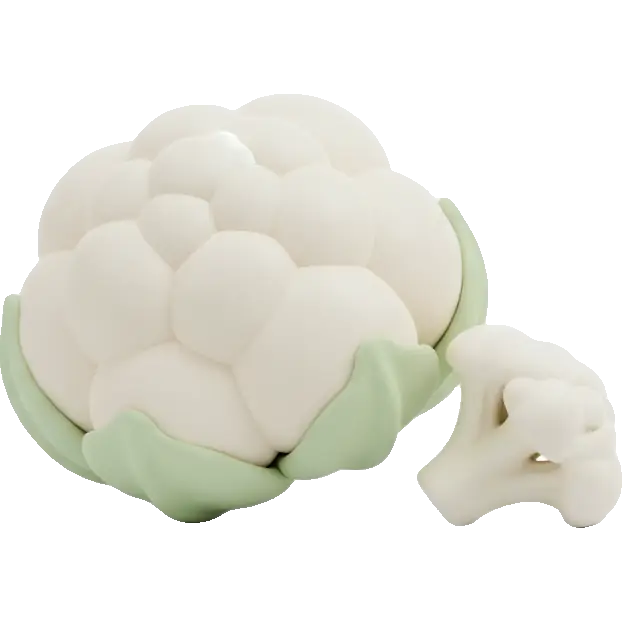
- 5Cauliflower and mushrooms are common triggers
Pro tip: Keep a food diary to track your reactions. The Triggerbites app makes this easy with automatic pattern detection.
Want personalized tracking?
Download Triggerbites to log meals, track symptoms, and discover your unique triggers.
Get the AppFAQ
Is fiddlehead high in Polyols?
Polyols: higher signal - consider smaller servings or swaps.
Can I still eat fiddlehead if I'm sensitive to Polyols?
Best to avoid or test carefully with a small amount.
What else should I check?
Check Low Fibre, Gastroparesis Diet, and Salicylates next for a fuller picture.