 Back to Lectin food checker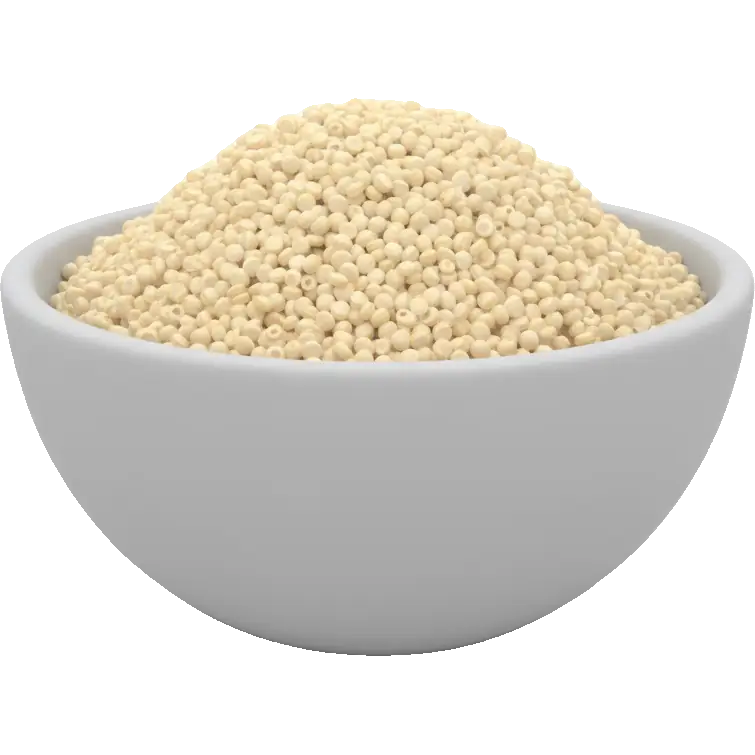
quinoa
Grains
Is quinoa high in lectin?
Is quinoa high or low in lectin? See its exact rating, how much counts as a portion, and its FODMAP, salicylate, oxalate and diet compatibility in one place.

Related checkers
Compare quinoa across criteria

Sensitivity notes
Why lectin food checker matters
Lectins are proteins found in many plant foods, especially legumes and grains. Some people follow low-lectin diets believing they reduce inflammation and digestive issues, though properly cooked foods have reduced lectin content.
- Proper cooking destroys most lectins - never eat raw beans
- Pressure cooking is highly effective at reducing lectins
- Peeling and deseeding reduces lectin content
- Fermentation can reduce lectins in some foods
- Sprouting may increase or decrease lectins depending on the food

Sensitivities
What quinoa contains
FODMAPs







Histamine & Amines



Plant compounds




Irritants




Additives



Allergens
















Diet fit
Where quinoa fits
Therapeutic diets










Lifestyle diets









Religious diets






What to know about quinoa
Quinoa is not a grain at all. It is the seed of a plant in the same family as spinach, chard and beetroot, which is why it is naturally gluten free (graded A) and why it is a complete protein rather than a starch. Our data grades it clean on histamine, salicylates, nickel, glutamates and sulfites, so the two things worth knowing are specific: quinoa carries a high lectin grade (E), and every seed comes coated in saponins, the bitter soapy layer the plant uses as pest defence. Saponins are detergents. Rinsing them off is not a flavour preference, it is the difference between quinoa sitting well and quinoa feeling scratchy.
Watch for
- Graded E for lectins, the strongest flag on this record.If you are working through a lectin protocol, quinoa sits at the top end alongside legumes rather than with rice
- Saponins are the practical issue most people miss.Rinse in a fine sieve until the water stops foaming, even with brands labelled pre-rinsed, because the residue is a surfactant and a known gut irritant
- Borderline (B) for total FODMAP load, so it is portion sensitive, although it is graded clean on fructans, GOS, fructose and polyols individually
- Graded pro-inflammatory (E) and not AIP compliant, so it comes out during a strict autoimmune elimination even though it passes every chemical-trigger column
- Oxalate is unrated in our data for quinoa, so we make no claim either way.If you are tracking oxalate specifically, log it and watch your own pattern rather than trusting a number




Explore related in Grains
Compare similar foods to build a personalized list of swaps that work for your system.




Lectin Guide
Everything you need to know about lectin sensitivity and smart food choices.
Lectins are proteins found in many plant foods, especially legumes and grains. Some people follow low-lectin diets believing they reduce inflammation and digestive issues, though properly cooked foods have reduced lectin content.
Sensitivity varies widely. What triggers one person may be fine for another. Track your reactions to find your personal threshold.

These foods are generally well-tolerated for Lectin sensitivity:
View all safe options

















If you're sensitive to Lectin, consider these strategies:
- 1Proper cooking destroys most lectins - never eat raw beans
- 2Pressure cooking is highly effective at reducing lectins
- 3Peeling and deseeding reduces lectin content
- 4Fermentation can reduce lectins in some foods
- 5Sprouting may increase or decrease lectins depending on the food
Pro tip: Keep a food diary to track your reactions. The Triggerbites app makes this easy with automatic pattern detection.
Want personalized tracking?
Download Triggerbites to log meals, track symptoms, and discover your unique triggers.
Get the AppFAQ
Is quinoa high in Lectin?
Lectin: higher signal - consider smaller servings or swaps.
Can I still eat quinoa if I'm sensitive to Lectin?
Best to avoid or test carefully with a small amount.
What else should I check?
Check AIP, Specific Carbohydrate, and Whole30 next for a fuller picture.