 Back to Ingredient checker
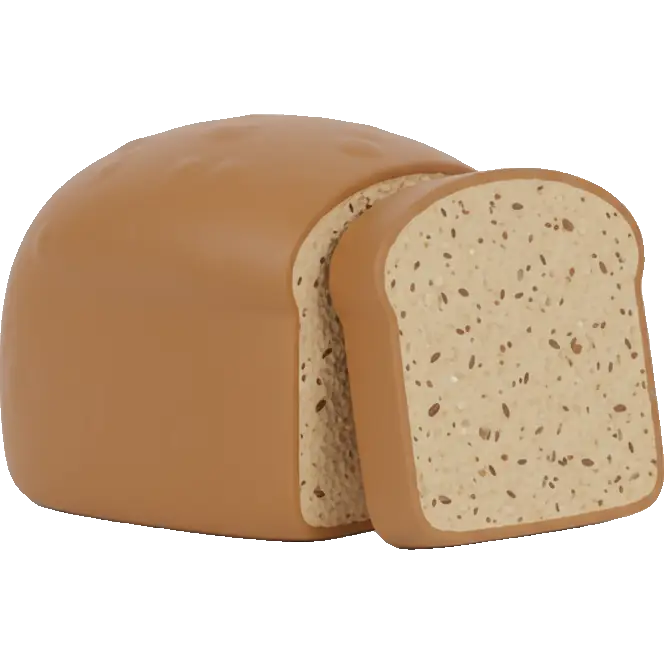
whole grain bread
Grains
Trigger checker for whole grain bread
See whole grain bread rated across every trigger — FODMAP, histamine, salicylate, oxalate, tyramine and more — plus diet compatibility, all in one quick ingredient profile.

Related checkers
Compare whole grain bread across criteria

Sensitivities
What whole grain bread contains
FODMAPs







Histamine & Amines



Plant compounds




Irritants




Additives



Allergens
















Diet fit
Where whole grain bread fits
Therapeutic diets










Lifestyle diets









Religious diets






What to know about whole grain bread
Whole grain bread has a health-food reputation, yet it is often the loaf that bloats people the most. Keeping the bran and germ means keeping more of the wheat fructans and fermentable fiber than a white loaf, so it rates a full grade higher on FODMAPs than plain white bread. It still contains gluten, so it is no safer for celiac disease or gluten sensitivity. If a wholesome sandwich leaves you gassy and distended, the extra bran, not a lack of nutrition, is usually the reason.
Watch for
- Contains gluten, so switching to whole grain does nothing for celiac disease or non-celiac gluten sensitivity
- Higher in fructans than white bread because the retained bran and germ carry extra fermentable carbs
- Rates high FODMAP, a common cause of bloating and gas after an otherwise healthy sandwich
- A long, slow sourdough ferment lowers fructans, so a genuine sourdough is gentler than a fast-risen wholemeal, though it is still wheat and still contains gluten






Explore related in Grains
Compare similar foods to build a personalized list of swaps that work for your system.

FAQ
What does the FODMAP rating mean for whole grain bread?
High FODMAP: consider smaller servings or swap within the same group.
Is whole grain bread generally well tolerated?
Gluten (Avoid) and FODMAPs (High) Start with those if you react.
What should I check next?
Compare within the Grains group.