 Back to Lectin food checker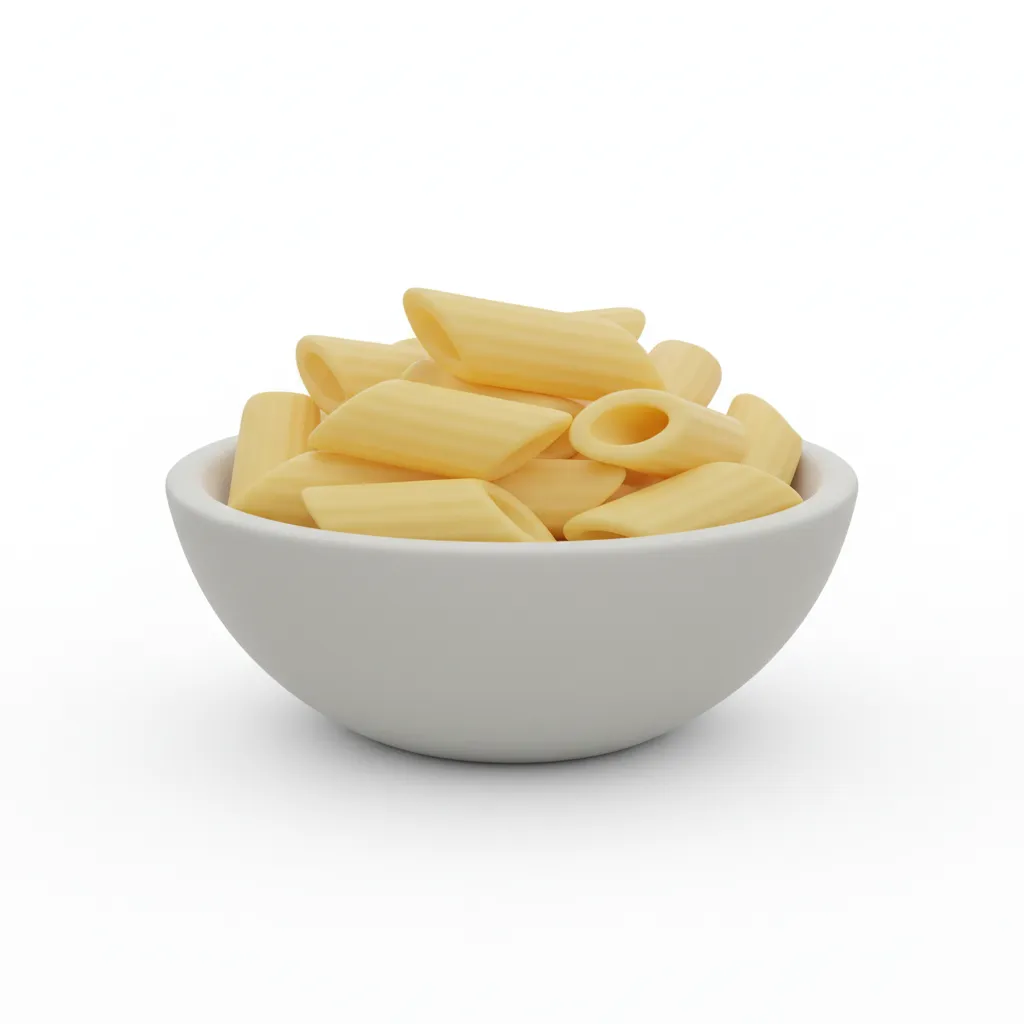
gluten-free pasta
Grains
Is gluten-free pasta high in lectin?
Is gluten-free pasta high or low in lectin? See its exact rating, how much counts as a portion, and its FODMAP, salicylate, oxalate and diet compatibility in one place.

Related checkers
Compare gluten-free pasta across criteria

Sensitivity notes
Why lectin food checker matters
Lectins are proteins found in many plant foods, especially legumes and grains. Some people follow low-lectin diets believing they reduce inflammation and digestive issues, though properly cooked foods have reduced lectin content.
- Proper cooking destroys most lectins - never eat raw beans
- Pressure cooking is highly effective at reducing lectins
- Peeling and deseeding reduces lectin content
- Fermentation can reduce lectins in some foods
- Sprouting may increase or decrease lectins depending on the food

Sensitivities
What gluten-free pasta contains
FODMAPs







Histamine & Amines



Plant compounds




Irritants




Additives



Allergens
















Diet fit
Where gluten-free pasta fits
Therapeutic diets










Lifestyle diets









Religious diets






What to know about gluten-free pasta
Gluten-free pasta grades better than gluten-free bread does, and the reason is that pasta needs far less help to hold together. A plain rice or corn pasta is essentially milled grain and water, which is why it comes out clean on FODMAPs, fructans, excess fructose, histamine, lactose, salicylates and nickel as well as on gluten. The one column that is not clean is galacto-oligosaccharides, and that is entirely down to what has happened to the shelf in the last few years. Red lentil, chickpea, black bean and green pea pastas sit beside the rice ones in the same gluten-free bay, and pulses carry GOS, the FODMAP that pulses are famous for. So the useful question is never whether a pasta is gluten free. It is what the first ingredient is.
Watch for
- Legume-based versions (red lentil, chickpea, black bean, edamame) carry galacto-oligosaccharides, which is why the category grades moderate on GOS overall while rice and corn versions are clean
- GOS is dose-dependent rather than all or nothing, so a modest serve of lentil pasta is often tolerated where a full bowl is not
- Clean on gluten as a packaged product, but restaurant kitchens routinely boil gluten-free pasta in the same water as wheat pasta, which undoes it for coeliac disease
- Moderate on lectins and on SIBO fermentation, mostly reflecting the wholegrain and pulse bases rather than plain white rice pasta
- Not paleo or AIP compliant, since every version is grain or pulse based





Explore related in Grains
Compare similar foods to build a personalized list of swaps that work for your system.




Lectin Guide
Everything you need to know about lectin sensitivity and smart food choices.
Lectins are proteins found in many plant foods, especially legumes and grains. Some people follow low-lectin diets believing they reduce inflammation and digestive issues, though properly cooked foods have reduced lectin content.
Sensitivity varies widely. What triggers one person may be fine for another. Track your reactions to find your personal threshold.

These foods are generally well-tolerated for Lectin sensitivity:
View all safe options


















If you're sensitive to Lectin, consider these strategies:
- 1Proper cooking destroys most lectins - never eat raw beans
- 2Pressure cooking is highly effective at reducing lectins
- 3Peeling and deseeding reduces lectin content
- 4Fermentation can reduce lectins in some foods
- 5Sprouting may increase or decrease lectins depending on the food
Pro tip: Keep a food diary to track your reactions. The Triggerbites app makes this easy with automatic pattern detection.
Want personalized tracking?
Download Triggerbites to log meals, track symptoms, and discover your unique triggers.
Get the AppFAQ
Is gluten-free pasta high in Lectin?
Lectin: moderate signal - portion size matters.
Can I still eat gluten-free pasta if I'm sensitive to Lectin?
Try smaller portions and space it out.
What else should I check?
Check AIP, Specific Carbohydrate, and Paleo next for a fuller picture.