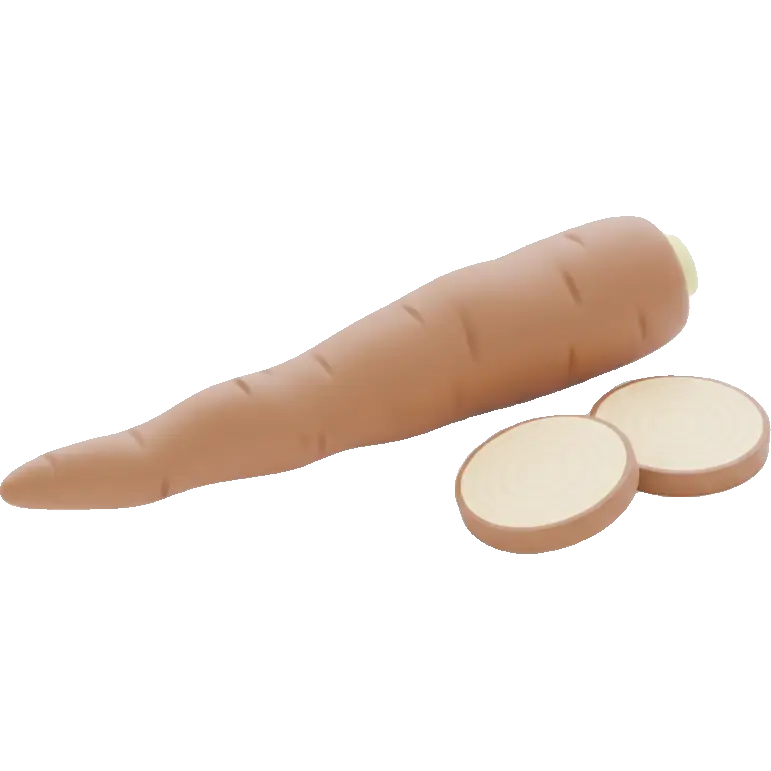
burdock root
Vegetables
Is burdock root high in histamine liberators?
Is burdock root high or low in histamine liberators? See its exact rating, how much counts as a portion, and its FODMAP, salicylate, oxalate and diet compatibility in one place.
Related checkers
Compare burdock root across criteria
Sensitivity notes
Why histamine liberators food checker matters
Histamine liberators are foods that don't contain much histamine themselves but can trigger your body to release stored histamine. This can cause similar symptoms to high-histamine foods in sensitive individuals.
- Avoid histamine liberators alongside high-histamine foods
- Common liberators include citrus, strawberries, tomatoes, and chocolate
- Your tolerance may vary based on overall histamine load
- Keep a symptom diary to identify your personal triggers
- Consider your total 'histamine bucket' - liberators add to it
Sensitivities
What burdock root contains
FODMAPs
Histamine & Amines
Plant compounds
Irritants
Additives
Allergens
Diet fit
Where burdock root fits
Therapeutic diets
Lifestyle diets
Religious diets
What to know about burdock root
Burdock root, gobo in Japanese and ueong in Korean, is the long earthy taproot braised into kinpira gobo and simmered into stocks and teas. On the chemical trigger columns it looks excellent: A for histamine, histamine liberation, glutamates, nightshade, gluten and sulfites. The reason it still lands on trigger lists is fibre. Burdock is one of the most inulin dense vegetables in the kitchen, which puts it at D for fructans and D for FODMAPs overall, alongside a C for SIBO. So if a bowl of gobo leaves you distended a few hours later with nothing else to blame, that is fructan fermentation doing exactly what fructan fermentation does, and it is not an allergy.
Watch for
- Fructans and overall FODMAPs both grade D because of inulin, the same fermentable fibre that makes chicory root and Jerusalem artichoke notorious.Symptoms are typically delayed several hours rather than immediate
- Rated C for SIBO, so it is a poor choice during an elemental or low fermentation phase even though it is often marketed as a gut tonic
- Burdock is in the Asteraceae family with ragweed, chamomile, echinacea and artichoke.People sensitised to ragweed pollen sometimes get oral itching or lip tingling from it, which is cross reactivity rather than a food chemical trigger
- Burdock tea deserves its own caution.A 1978 JAMA case report described anticholinergic poisoning, blurred vision, dry mouth and retention, from a commercial burdock root tea found to be contaminated with atropine like alkaloids, almost certainly belladonna root harvested alongside it. Burdock itself contains none, so this is a sourcing problem, and those symptoms after a herbal tea warrant urgent medical care
- Nickel is unrated (U) here.Root vegetables draw minerals from soil, so if you have systemic nickel allergy treat burdock as untested rather than cleared





Explore related in Vegetables
Compare similar foods to build a personalized list of swaps that work for your system.



Histamine Liberators Guide
Everything you need to know about histamine liberators sensitivity and smart food choices.
Histamine liberators are foods that don't contain much histamine themselves but can trigger your body to release stored histamine. This can cause similar symptoms to high-histamine foods in sensitive individuals.
Sensitivity varies widely. What triggers one person may be fine for another. Track your reactions to find your personal threshold.
These foods are generally well-tolerated for Histamine Liberators sensitivity:
View all safe options






These foods have moderate levels and may be tolerated in small amounts:







These foods are high in histamine liberators and may trigger symptoms:
View full list




If you're sensitive to Histamine Liberators, consider these strategies:
- 1Avoid histamine liberators alongside high-histamine foods
- 2Common liberators include citrus, strawberries, tomatoes, and chocolate
- 3Your tolerance may vary based on overall histamine load
- 4Keep a symptom diary to identify your personal triggers
- 5Consider your total 'histamine bucket' - liberators add to it
Pro tip: Keep a food diary to track your reactions. The Triggerbites app makes this easy with automatic pattern detection.
Want personalized tracking?
Download Triggerbites to log meals, track symptoms, and discover your unique triggers.
Get the AppFAQ
Is burdock root high in Histamine Liberators?
Histamine Liberators: low signal for most people.
Can I still eat burdock root if I'm sensitive to Histamine Liberators?
Usually fine in normal portions.
What else should I check?
Check Jain, FODMAPs, and Fructans next for a fuller picture.