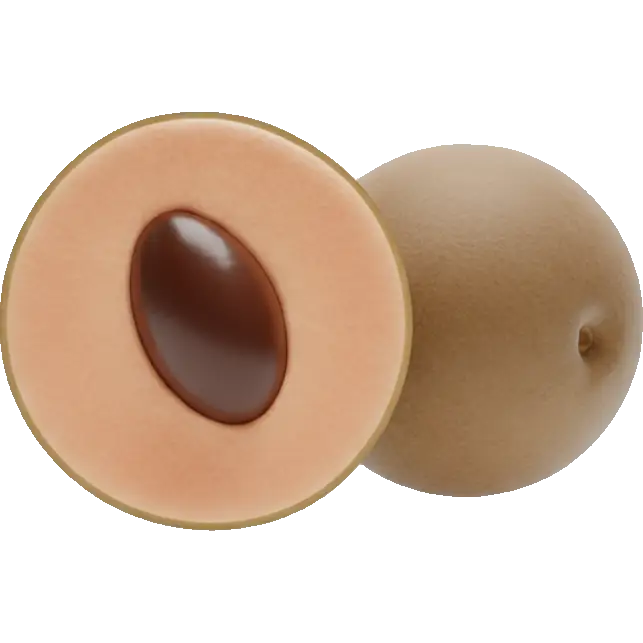
zapote
Fruit
Is zapote high in gos?
Is zapote high or low in gos? See its exact rating, how much counts as a portion, and its FODMAP, salicylate, oxalate and diet compatibility in one place.
Related checkers
Compare zapote across criteria
Sensitivity notes
Why gos food checker matters
Galacto-oligosaccharides (GOS) are carbohydrates found mainly in legumes and some vegetables. They're a FODMAP that can ferment in the gut, causing bloating and discomfort in sensitive people.
- Canned and rinsed legumes are lower in GOS than dried
- Start with smaller portions and build up tolerance
- Some people find beano-type enzymes helpful
- Firm tofu is lower in GOS than silken tofu
- Sprouted legumes may be better tolerated
Sensitivities
What zapote contains
FODMAPs
Histamine & Amines
Plant compounds
Irritants
Additives
Allergens
Diet fit
Where zapote fits
Therapeutic diets
Lifestyle diets
Religious diets
What to know about zapote
Zapote is a name rather than a fruit, and untangling it is the most useful thing this page can do. In Mexico and Central America the word covers several unrelated species: mamey sapote, dense and orange fleshed; black sapote, the so called chocolate pudding fruit; white sapote, which is not a sapote at all but a citrus relative; and sapodilla, which has its own page here. They belong to four different plant families and behave differently, so a reaction to one tells you very little about another, and this row cannot distinguish between them.
Watch for
- Identify which fruit you actually ate before logging anything.Mamey sapote is Sapotaceae, black sapote is Ebenaceae and related to persimmon, white sapote is Rutaceae and a citrus relative, and sapodilla is a fourth thing again. These are not varieties of one fruit.
- White sapote has a documented reputation for sedative and drowsiness inducing effects, and it is the one member of this group where that has been consistently reported.If you feel unusually sleepy after a sapote, that is the species to suspect.
- Seeds should not be eaten in any of them.Mamey sapote seed in particular contains compounds that make it unsuitable for consumption, and the seeds are large and easy to avoid.
- Black sapote is genuinely unpleasant and astringent until fully ripe, at which point the flesh turns almost black and pudding soft.Underripe fruit is a tannin problem rather than just a flavour disappointment.
- Every FODMAP column on this row is unrated, and the grades it does carry are shared byte for byte with a block of unrelated entries in the alphabetical tail of the dataset.Treat this row as untested.






Explore related in Fruit
Compare similar foods to build a personalized list of swaps that work for your system.
GOS Guide
Everything you need to know about gos sensitivity and smart food choices.
Galacto-oligosaccharides (GOS) are carbohydrates found mainly in legumes and some vegetables. They're a FODMAP that can ferment in the gut, causing bloating and discomfort in sensitive people.
Sensitivity varies widely. What triggers one person may be fine for another. Track your reactions to find your personal threshold.
These foods are generally well-tolerated for GOS sensitivity:
View all safe options







These foods have moderate levels and may be tolerated in small amounts:






These foods are high in gos and may trigger symptoms:
View full list


If you're sensitive to GOS, consider these strategies:
- 1Canned and rinsed legumes are lower in GOS than dried
- 2Start with smaller portions and build up tolerance
- 3Some people find beano-type enzymes helpful
- 4Firm tofu is lower in GOS than silken tofu
- 5Sprouted legumes may be better tolerated
Pro tip: Keep a food diary to track your reactions. The Triggerbites app makes this easy with automatic pattern detection.
Want personalized tracking?
Download Triggerbites to log meals, track symptoms, and discover your unique triggers.
Get the AppFAQ
Is zapote high in GOS?
GOS: higher signal - consider smaller servings or swaps.
Can I still eat zapote if I'm sensitive to GOS?
Best to avoid or test carefully with a small amount.
What else should I check?
Check Keto, Low-carb, and Low Fibre next for a fuller picture.