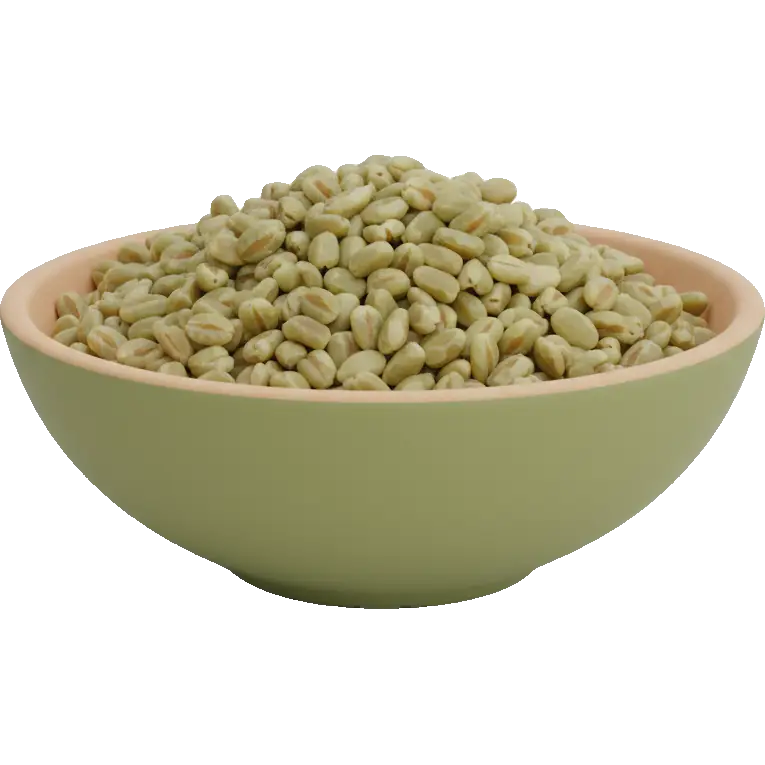
freekeh
Grains
Is freekeh eoe compatible-compatible?
See whether freekeh fits an eoe compatible diet, with a clear compatible-or-avoid verdict plus its FODMAP, histamine and other trigger ratings in one place.
Related checkers
Compare freekeh across criteria
Sensitivity notes
Why eoe compatible diet checker matters
Eosinophilic Esophagitis (EoE) dietary management often involves eliminating common trigger foods including dairy, wheat, eggs, soy, nuts, and seafood. The six-food elimination diet is commonly used to identify personal triggers.
- The six-food elimination diet removes dairy, wheat, eggs, soy, nuts, and seafood
- Systematic reintroduction with endoscopy helps identify triggers
- Milk/dairy is the most common trigger
- Work closely with your gastroenterologist and allergist
- Elemental diet may be used in severe cases
Sensitivities
What freekeh contains
FODMAPs
Histamine & Amines
Plant compounds
Irritants
Additives
Allergens
Diet fit
Where freekeh fits
Therapeutic diets
Lifestyle diets
Religious diets
What to know about freekeh
Freekeh is durum wheat harvested while the grain is still green and soft, then piled up and set alight so the straw and chaff burn off while the high moisture inside the kernels keeps them from burning. The charred husks are rubbed away by hand, which is where the name comes from: farik means rubbed. That fire-drying is what gives freekeh its smoky, faintly savoury flavour, and picking the crop young leaves the kernel with proportionally more protein and fibre and less starch than the same wheat left to ripen. All of which makes it a genuinely interesting grain and none of which changes the central fact: freekeh is wheat. It is high in gluten, it is rated high FODMAP with a fructan load plus a moderate helping of galacto-oligosaccharides, and it is very high in fibre, which is its own reason for a heavy gut. Shelved in the wholefood aisle between quinoa and buckwheat, it is regularly mistaken for another naturally gluten-free ancient grain. It is not one.
Watch for
- It is durum wheat, so it is high in gluten and unsafe in coeliac disease.Roasting the grain over a fire changes the flavour, not the protein
- Rated high FODMAP on two fronts at once: high in fructans and moderate in galacto-oligosaccharides, which is a less common combination among grains
- Very high in fibre even by whole-grain standards, because harvesting immature grain shifts the balance away from starch.Going from white rice to a full bowl of freekeh in one step commonly produces wind and bloating on fibre volume alone
- A poor fit for SIBO protocols, high on lectins and moderate on nickel, all consequences of the bran staying on the kernel
- Clean on histamine, histamine liberation, salicylates, glutamates and tyramine, so the smoky flavour is a roasting artefact and not a sign of the chemistry that makes smoked and cured foods a histamine problem

Explore related in Grains
Compare similar foods to build a personalized list of swaps that work for your system.




EoE Compatible Guide
Everything you need to know about eoe compatible compatibility and smart food choices.
Eosinophilic Esophagitis (EoE) dietary management often involves eliminating common trigger foods including dairy, wheat, eggs, soy, nuts, and seafood. The six-food elimination diet is commonly used to identify personal triggers.
These foods are typically compatible with a EoE Compatible approach:
View all safe options






Practical guidance for following a EoE Compatible diet:
- 1The six-food elimination diet removes dairy, wheat, eggs, soy, nuts, and seafood
- 2Systematic reintroduction with endoscopy helps identify triggers
- 3Milk/dairy is the most common trigger
- 4Work closely with your gastroenterologist and allergist
- 5Elemental diet may be used in severe cases
Pro tip: Keep a food diary to track your reactions. The Triggerbites app makes this easy with automatic pattern detection.
Want personalized tracking?
Download Triggerbites to log meals, track symptoms, and discover your unique triggers.
Get the AppFAQ
Does freekeh fit an eoe compatible diet?
EoE Compatible: avoid for strict plans.
What if I eat it occasionally?
Occasional use may break strict plans.
What are safer swaps?
Compare within the Grains group.