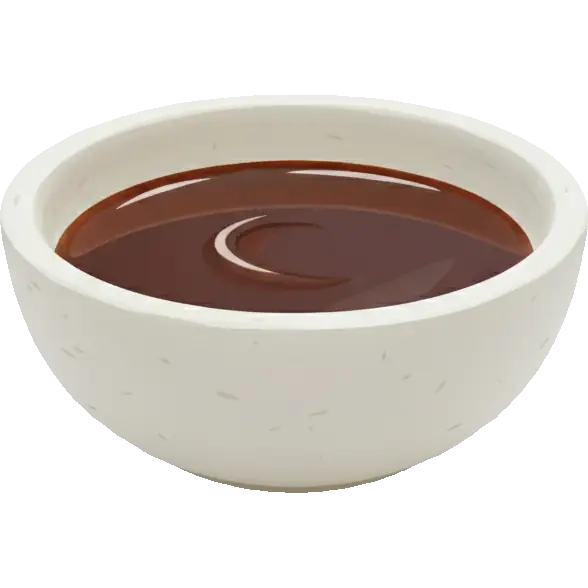
worcestershire sauce
Condiments & Sauces
Is worcestershire sauce high in tyramine?
Is worcestershire sauce high or low in tyramine? See its exact rating, how much counts as a portion, and its FODMAP, salicylate, oxalate and diet compatibility in one place.
Related checkers
Compare worcestershire sauce across criteria
Sensitivity notes
Why tyramine food checker matters
Tyramine is an amino acid that forms when proteins break down. It's found in aged, fermented, or spoiled foods. For people taking MAO inhibitors or those with tyramine sensitivity, it can cause headaches, elevated blood pressure, and other reactions.
- Choose fresh over aged, fermented, or preserved foods
- Eat protein foods fresh and store properly
- Be especially careful if taking MAO inhibitor medications
- Common high-tyramine foods include aged cheese, cured meats, and soy sauce
- Ripeness affects tyramine - choose less ripe fruits
Sensitivities
What worcestershire sauce contains
FODMAPs
Histamine & Amines
Plant compounds
Irritants
Additives
Allergens
Diet fit
Where worcestershire sauce fits
Therapeutic diets
Lifestyle diets
Religious diets
What to know about worcestershire sauce
Worcestershire sauce has an unusually long ingredient list for something used by the dash: malt or spirit vinegar, molasses, sugar, salt, anchovies, tamarind, onion, garlic and spice, matured for many months before bottling. The anchovies are the part people miss, so it is not vegan and it is off the table with a fish allergy, and it hides in Caesar dressing, bloody Marys, shepherd's pie and countless marinades. Its two moderate flags are gluten and sulfites. British-style bottles are built on barley malt vinegar, while the American formulation uses distilled vinegar and is generally labelled gluten free, so the honest answer to whether Worcestershire sauce is gluten free depends on which bottle is in your hand. Everything else, including histamine and tyramine from the long maturation, free glutamate, salicylates from the tamarind and nickel, rates mild at the amounts people actually pour.
Watch for
- Gluten depends entirely on the vinegar.Malt vinegar is made from barley, so traditional British Worcestershire is not coeliac safe, while the US Lea and Perrins formula is made with distilled white vinegar and carries a gluten-free label. Own-brand and imported bottles vary, so read the vinegar line rather than the front of the label.
- Moderate on sulfites, from the vinegar and molasses base and sometimes from added preservative.Worth knowing if wine, dried fruit or pickled foods give you wheezing, flushing or headaches, since a few dashes across a day add up quietly.
- Made with fermented anchovies, which rules it out for vegans and for anyone with a fish allergy.It is one of the most commonly overlooked hidden fish ingredients in restaurant food, especially in Caesar dressing, steak marinades, gravies and cocktail mixes.
- Matured for months, so it does carry histamine, tyramine and free glutamate, but all three rate mild rather than high at teaspoon quantities.If your fermented-food reactions are severe the dose still counts, particularly in a marinade that uses several tablespoons.
- Onion and garlic appear on the label yet the sauce rates low on fructans, because the quantity per serve is so small.A dash is generally workable on low FODMAP; a recipe that pours in a quarter cup is a different calculation.



Explore related in Condiments & Sauces
Compare similar foods to build a personalized list of swaps that work for your system.


Tyramine Guide
Everything you need to know about tyramine sensitivity and smart food choices.
Tyramine is an amino acid that forms when proteins break down. It's found in aged, fermented, or spoiled foods. For people taking MAO inhibitors or those with tyramine sensitivity, it can cause headaches, elevated blood pressure, and other reactions.
Sensitivity varies widely. What triggers one person may be fine for another. Track your reactions to find your personal threshold.
These foods are generally well-tolerated for Tyramine sensitivity:
View all safe options














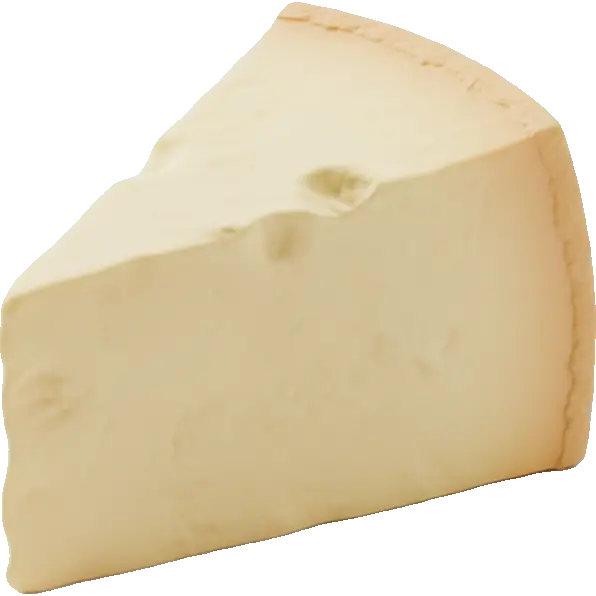
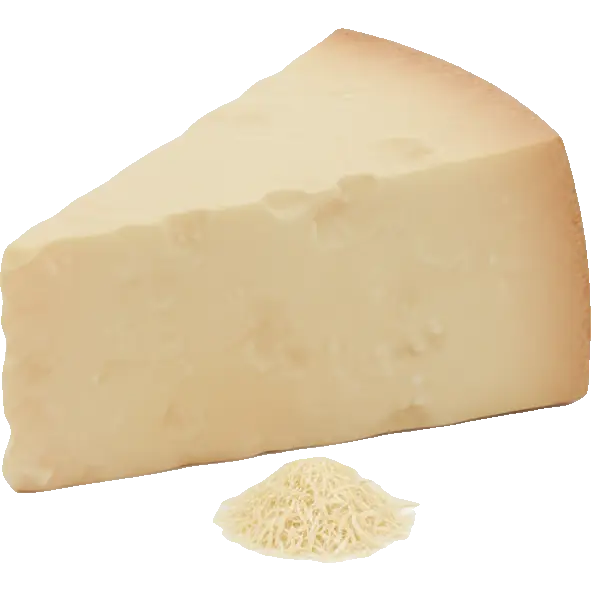
These foods are high in tyramine and may trigger symptoms:
View full list



If you're sensitive to Tyramine, consider these strategies:
- 1Choose fresh over aged, fermented, or preserved foods
- 2Eat protein foods fresh and store properly
- 3Be especially careful if taking MAO inhibitor medications
- 4Common high-tyramine foods include aged cheese, cured meats, and soy sauce
- 5Ripeness affects tyramine - choose less ripe fruits
Pro tip: Keep a food diary to track your reactions. The Triggerbites app makes this easy with automatic pattern detection.
Want personalized tracking?
Download Triggerbites to log meals, track symptoms, and discover your unique triggers.
Get the AppFAQ
Is worcestershire sauce high in Tyramine?
Tyramine: moderate signal - portion size matters.
Can I still eat worcestershire sauce if I'm sensitive to Tyramine?
Try smaller portions and space it out.
What else should I check?
Check Vegan, Vegetarian, and AIP next for a fuller picture.