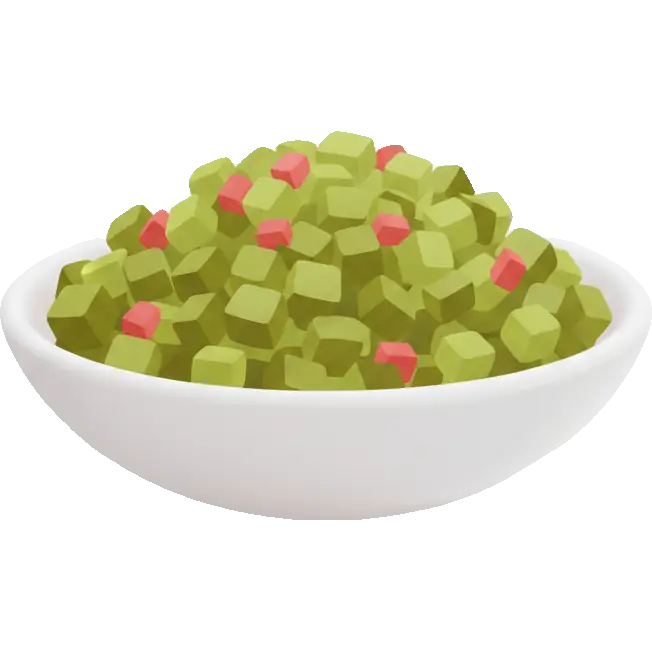
pickle relish
Condiments & Sauces
Is pickle relish high in tyramine?
Is pickle relish high or low in tyramine? See its exact rating, how much counts as a portion, and its FODMAP, salicylate, oxalate and diet compatibility in one place.
Related checkers
Compare pickle relish across criteria
Sensitivity notes
Why tyramine food checker matters
Tyramine is an amino acid that forms when proteins break down. It's found in aged, fermented, or spoiled foods. For people taking MAO inhibitors or those with tyramine sensitivity, it can cause headaches, elevated blood pressure, and other reactions.
- Choose fresh over aged, fermented, or preserved foods
- Eat protein foods fresh and store properly
- Be especially careful if taking MAO inhibitor medications
- Common high-tyramine foods include aged cheese, cured meats, and soy sauce
- Ripeness affects tyramine - choose less ripe fruits
Sensitivities
What pickle relish contains
FODMAPs
Histamine & Amines
Plant compounds
Irritants
Additives
Allergens
Diet fit
Where pickle relish fits
Therapeutic diets
Lifestyle diets
Religious diets
What to know about pickle relish
Pickle relish is chopped pickled cucumber and onion in a sweet vinegar brine, and that onion is why it lands high FODMAP. The fructans are graded D, so a spoonful on a hot dog can trigger bloating, gas and cramping in a sensitive gut even though cucumber on its own is gentle. The vinegar brine and small amount of added sweetener add a little excess fructose on top.
Watch for
- High in fructans (grade D) from the diced onion, the main reason a low FODMAP diet flags relish
- High overall FODMAP load once you add the vinegar brine and sweetener, so a tablespoon goes further than you think
- Moderate excess fructose from the added sugar, worth noting if fructose malabsorption is your issue

Explore related in Condiments & Sauces
Compare similar foods to build a personalized list of swaps that work for your system.


Tyramine Guide
Everything you need to know about tyramine sensitivity and smart food choices.
Tyramine is an amino acid that forms when proteins break down. It's found in aged, fermented, or spoiled foods. For people taking MAO inhibitors or those with tyramine sensitivity, it can cause headaches, elevated blood pressure, and other reactions.
Sensitivity varies widely. What triggers one person may be fine for another. Track your reactions to find your personal threshold.
These foods are generally well-tolerated for Tyramine sensitivity:
View all safe options














These foods are high in tyramine and may trigger symptoms:
View full list

If you're sensitive to Tyramine, consider these strategies:
- 1Choose fresh over aged, fermented, or preserved foods
- 2Eat protein foods fresh and store properly
- 3Be especially careful if taking MAO inhibitor medications
- 4Common high-tyramine foods include aged cheese, cured meats, and soy sauce
- 5Ripeness affects tyramine - choose less ripe fruits
Pro tip: Keep a food diary to track your reactions. The Triggerbites app makes this easy with automatic pattern detection.
Want personalized tracking?
Download Triggerbites to log meals, track symptoms, and discover your unique triggers.
Get the AppFAQ
Is pickle relish high in Tyramine?
Tyramine: low signal for most people.
Can I still eat pickle relish if I'm sensitive to Tyramine?
Usually fine in normal portions.
What else should I check?
Check AIP, Specific Carbohydrate, and Paleo next for a fuller picture.