 Back to Low Fermentation food checker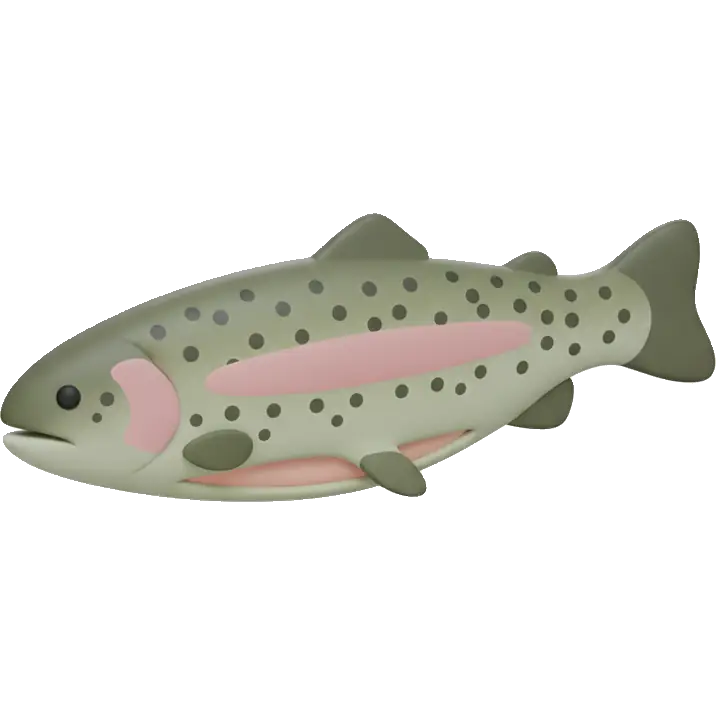
trout
Seafood
Is trout high in low fermentation?
Is trout high or low in low fermentation? See its exact rating, how much counts as a portion, and its FODMAP, salicylate, oxalate and diet compatibility in one place.

Related checkers
Compare trout across criteria

Sensitivity notes
Why low fermentation food checker matters
SIBO (Small Intestinal Bacterial Overgrowth) diets focus on reducing fermentable foods that feed bacteria in the small intestine. Low-fermentation foods help manage symptoms like bloating, gas, and abdominal discomfort.
- Low-fermentation eating reduces food for overgrown bacteria
- Meal spacing (4-5 hours) allows the MMC to clear the gut
- Avoid grazing - structured meals are better
- Some find the elemental diet helpful under medical supervision
- Address underlying causes with your healthcare provider
Sensitivities
What trout contains
FODMAPs







Histamine & Amines


Plant compounds




Irritants




Additives

Allergens














Diet fit
Where trout fits
Therapeutic diets






Lifestyle diets







Religious diets






What to know about trout
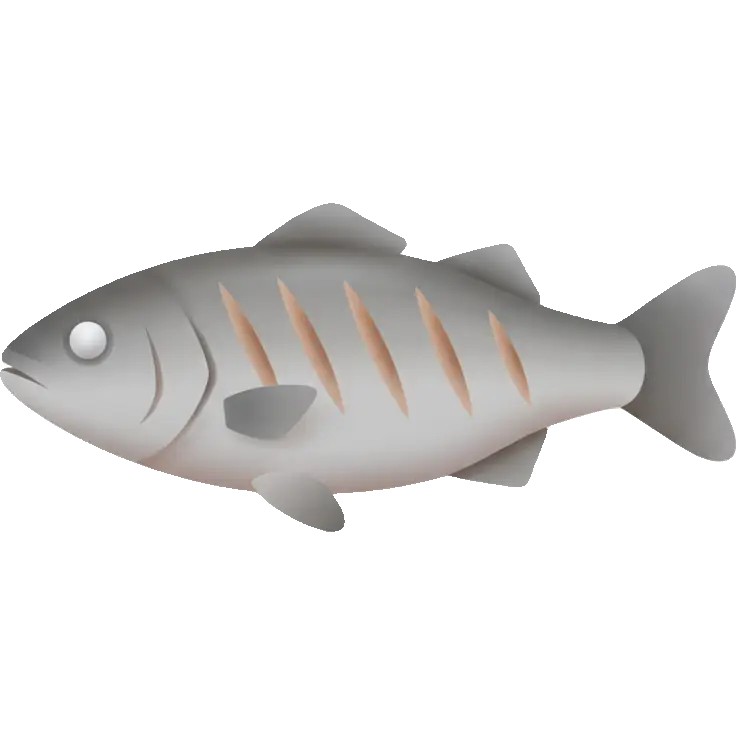
Trout sits in a useful gap. It is a freshwater fish with real omega-3s, so it eats like salmon, but it grades far closer to white fish on the trigger chart: A for salicylates, oxalate, nickel, free glutamate, sulfites, gluten, lactose and nightshades, plus a clean A on both FODMAPs and fermentation load. The one place it costs you a notch is amines. Trout grades a borderline B for histamine, B for histamine liberation and B for tyramine, one step above the leanest white fish. That is not a warning so much as a freshness instruction: fresh trout is a low-trigger dinner, and trout that has been sitting is the version people react to.
Watch for
- Borderline B on histamine, histamine liberation and tyramine, so it belongs in the fresh-and-fast category rather than the leftovers category.Cook it the day you buy it and do not keep cooked portions for days
- Smoked and cured trout is a completely different proposition.Smoking and curing concentrate amines, which is why smoked fish is one of the first things dropped on a histamine protocol even when the fresh version is fine
- Trout roe and trout caviar are salted, aged and preserved, so treat them as their own high-amine food rather than as trout
- Almondine and meuniere preparations bring butter, flour and lemon, which is usually where a reaction to a trout dinner actually comes from
- Nothing on the plant-chemical side to manage: salicylate, oxalate and nickel all grade A, which makes trout unusually easy to place in a multi-restriction diet



Explore related in Seafood
Compare similar foods to build a personalized list of swaps that work for your system.
Low Fermentation Guide
Everything you need to know about low fermentation sensitivity and smart food choices.
SIBO (Small Intestinal Bacterial Overgrowth) diets focus on reducing fermentable foods that feed bacteria in the small intestine. Low-fermentation foods help manage symptoms like bloating, gas, and abdominal discomfort.
Sensitivity varies widely. What triggers one person may be fine for another. Track your reactions to find your personal threshold.

These foods are generally well-tolerated for Low Fermentation sensitivity:
View all safe options








These foods have moderate levels and may be tolerated in small amounts:








These foods are high in low fermentation and may trigger symptoms:
View full list







If you're sensitive to Low Fermentation, consider these strategies:
- 1Low-fermentation eating reduces food for overgrown bacteria
- 2Meal spacing (4-5 hours) allows the MMC to clear the gut
- 3Avoid grazing - structured meals are better
- 4Some find the elemental diet helpful under medical supervision
- 5Address underlying causes with your healthcare provider
Pro tip: Keep a food diary to track your reactions. The Triggerbites app makes this easy with automatic pattern detection.
Want personalized tracking?
Download Triggerbites to log meals, track symptoms, and discover your unique triggers.
Get the AppFAQ
Is trout high in Low Fermentation?
Low Fermentation: low signal for most people.
Can I still eat trout if I'm sensitive to Low Fermentation?
Usually fine in normal portions.
What else should I check?
Check Fish, Vegan, and Vegetarian next for a fuller picture.