
star anise
Herbs & Spices
Is star anise high in polyols?
Is star anise high or low in polyols? See its exact rating, how much counts as a portion, and its FODMAP, salicylate, oxalate and diet compatibility in one place.
Related checkers
Compare star anise across criteria
Sensitivity notes
Why polyols food checker matters
Polyols (sugar alcohols) are found naturally in some fruits and vegetables, and are used as artificial sweeteners. They're poorly absorbed and can cause digestive symptoms, especially in IBS sufferers.
- Avoid sugar-free products with sorbitol, mannitol, xylitol, maltitol
- Stone fruits are naturally high in polyols
- Cooking doesn't reduce polyol content
- Avocado portion size matters - small amounts may be fine
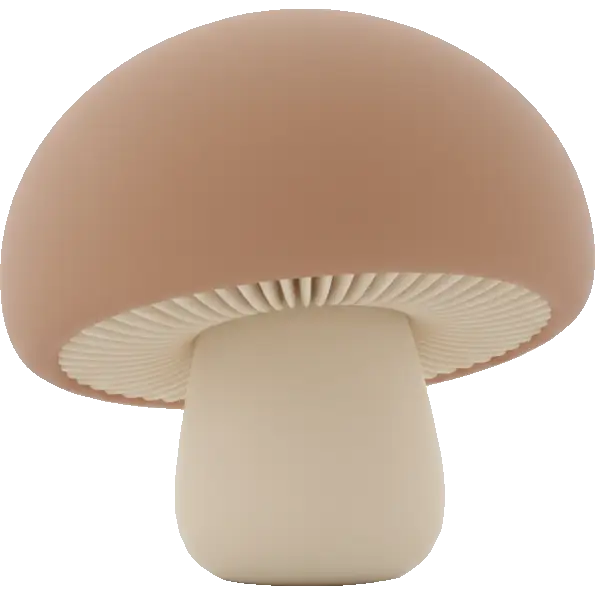
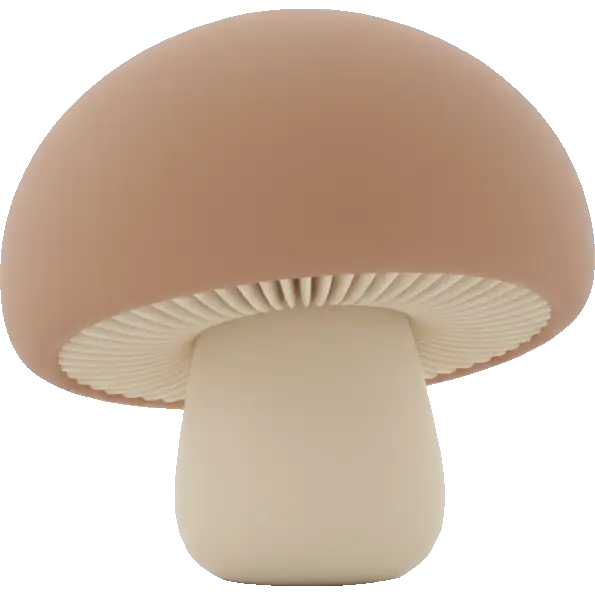
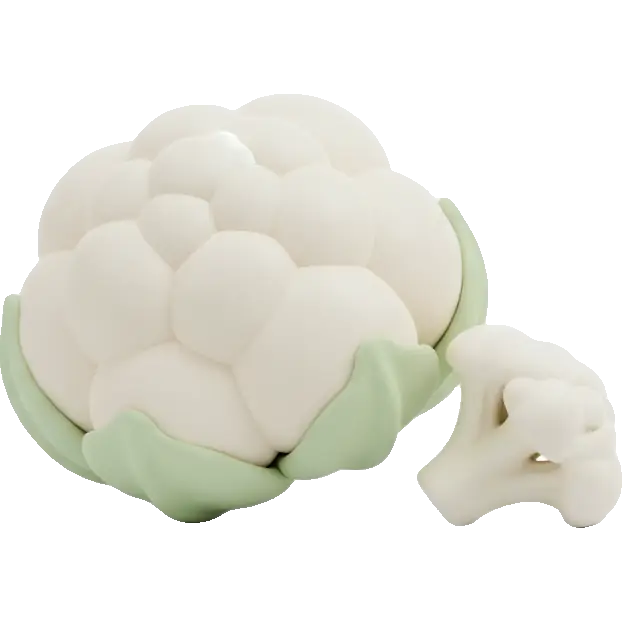
- Cauliflower and mushrooms are common triggers
Sensitivities
What star anise contains
FODMAPs
Histamine & Amines
Plant compounds
Irritants
Additives
Allergens
Diet fit
Where star anise fits
Therapeutic diets
Lifestyle diets
Religious diets
What to know about star anise
Star anise is the dried, eight pointed fruit of Illicium verum, the backbone of Chinese five spice and the spice that gives pho its sweet liquorice depth. Despite the shared name and the near identical flavour, it is not related to aniseed: that is Pimpinella anisum, a carrot family plant, while star anise sits in an entirely different family. They taste alike because both are rich in anethole, the same aromatic compound, which is a useful thing to know if you have reacted to one and are wondering about the other. On our grades salicylate is the headline at D, high, alongside oxalate at C and a scattering of B grades across histamine, tyramine, nickel, sulfite and free glutamate that quietly add up in a spice blend. It is clean on gluten, lactose, FODMAPs, dairy and nightshade. The other thing worth reading before you buy is the species. Japanese star anise, Illicium anisatum, looks similar, is not edible, and contains a neurotoxin that has caused seizures in infants given star anise tea. Adulteration of the culinary kind with the toxic kind is documented, which makes provenance a real safety question rather than a fussy one.
Watch for
- Salicylate D, high.Star anise is usually simmered whole and lifted out, so the delivered dose is lower than a ground spice at the same grade, but a long braise or a pot of mulled wine extracts plenty
- Not the same plant as aniseed.Our anise page grades salicylate E, and the two share the anethole flavour but nothing botanically, so reacting to one does not predict the other in either direction
- Japanese star anise (Illicium anisatum) is neurotoxic, containing anisatin, and cases of seizures in infants given star anise tea prompted a formal FDA advisory against star anise teas for infants.Contamination of Chinese star anise with the Japanese species has been documented, so buy from a supplier that can tell you the species
- Oxalate C, plus B grades on histamine, tyramine, sulfite, nickel and free glutamate.Individually mild, but five spice blends stack star anise with cinnamon, cloves, fennel and pepper, and the total is what you actually eat
- It is nearly always encountered inside something else: five spice powder, pho and ramen broths, braised pork, chai, mulled wine and liquorice flavoured confectionery, so log the dish rather than the spice jar
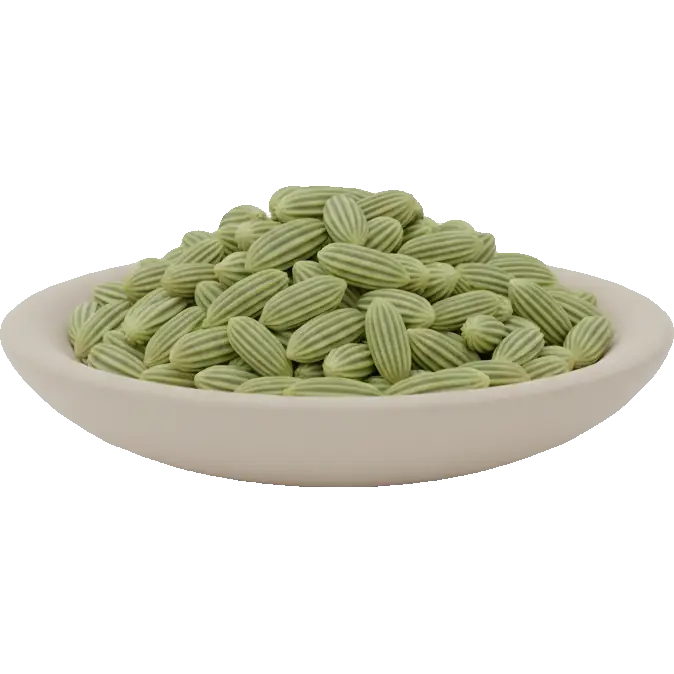

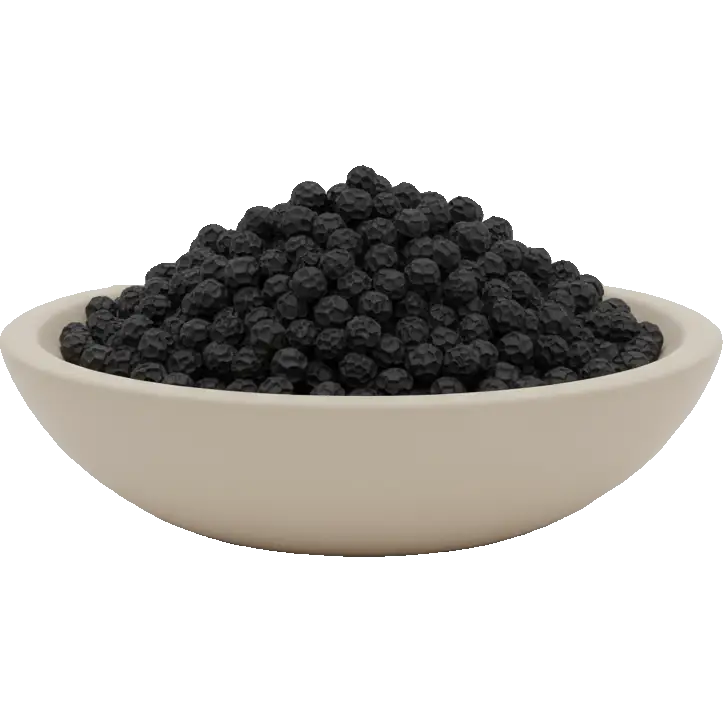


Explore related in Herbs & Spices
Compare similar foods to build a personalized list of swaps that work for your system.


Polyols Guide
Everything you need to know about polyols sensitivity and smart food choices.
Polyols (sugar alcohols) are found naturally in some fruits and vegetables, and are used as artificial sweeteners. They're poorly absorbed and can cause digestive symptoms, especially in IBS sufferers.
Sensitivity varies widely. What triggers one person may be fine for another. Track your reactions to find your personal threshold.
These foods are generally well-tolerated for Polyols sensitivity:
View all safe options







These foods have moderate levels and may be tolerated in small amounts:





These foods are high in polyols and may trigger symptoms:
View full list

If you're sensitive to Polyols, consider these strategies:
- 1Avoid sugar-free products with sorbitol, mannitol, xylitol, maltitol
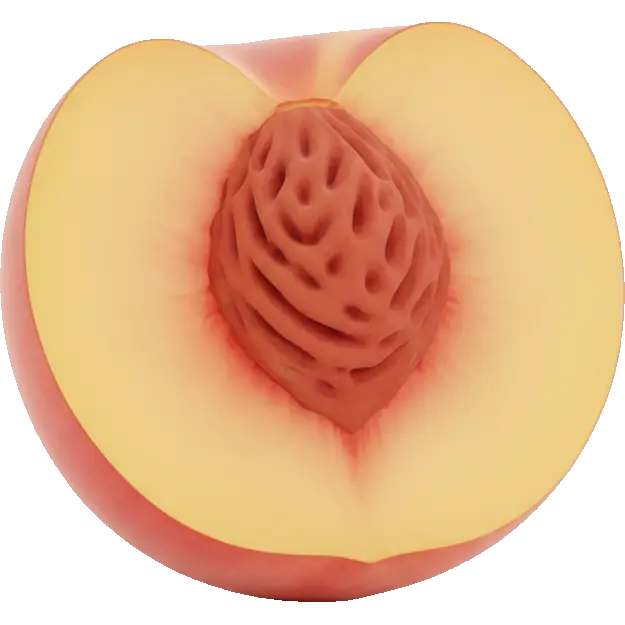
- 2Stone fruits are naturally high in polyols
- 3Cooking doesn't reduce polyol content
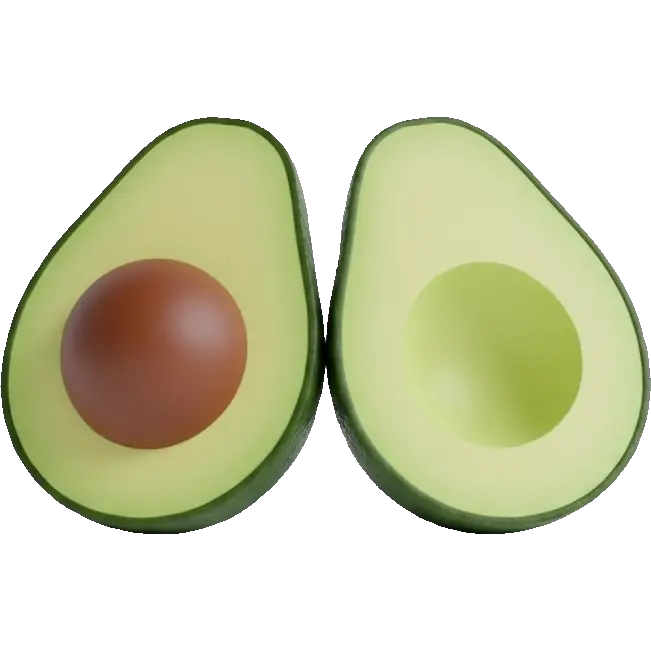
- 4Avocado portion size matters - small amounts may be fine
- 5Cauliflower and mushrooms are common triggers
Pro tip: Keep a food diary to track your reactions. The Triggerbites app makes this easy with automatic pattern detection.
Want personalized tracking?
Download Triggerbites to log meals, track symptoms, and discover your unique triggers.
Get the AppFAQ
Is star anise high in Polyols?
Polyols: low signal for most people.
Can I still eat star anise if I'm sensitive to Polyols?
Usually fine in normal portions.
What else should I check?
Check AIP, Salicylates, and Low Salicylate next for a fuller picture.