
pitaya
Fruit
Is pitaya high in polyols?
Is pitaya high or low in polyols? See its exact rating, how much counts as a portion, and its FODMAP, salicylate, oxalate and diet compatibility in one place.
Related checkers
Compare pitaya across criteria
Sensitivity notes
Why polyols food checker matters
Polyols (sugar alcohols) are found naturally in some fruits and vegetables, and are used as artificial sweeteners. They're poorly absorbed and can cause digestive symptoms, especially in IBS sufferers.
- Avoid sugar-free products with sorbitol, mannitol, xylitol, maltitol
- Stone fruits are naturally high in polyols
- Cooking doesn't reduce polyol content
- Avocado portion size matters - small amounts may be fine
- Cauliflower and mushrooms are common triggers
Sensitivities
What pitaya contains
FODMAPs
Histamine & Amines
Plant compounds
Irritants
Additives
Allergens
Diet fit
Where pitaya fits
Therapeutic diets
Lifestyle diets
Religious diets
What to know about pitaya
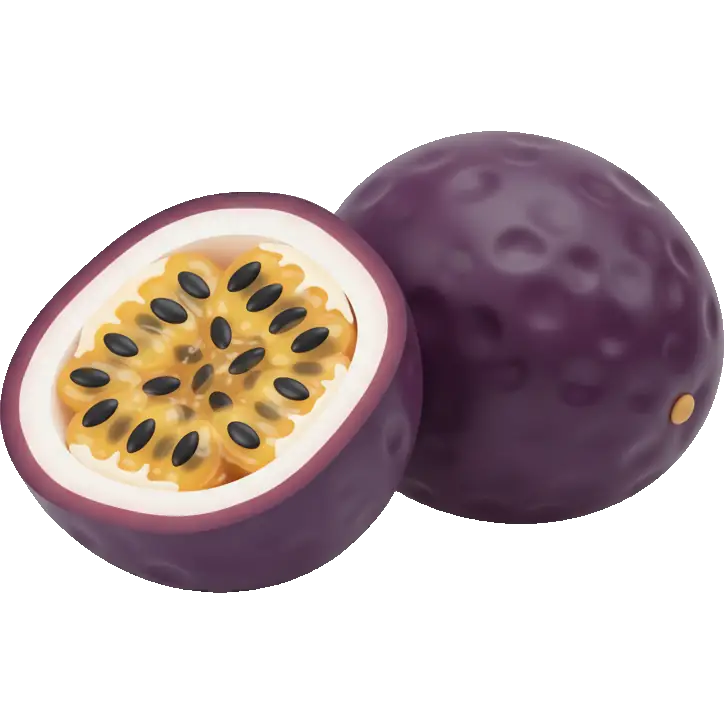
Pitaya is the Spanish name for the fruit of the climbing cactus sold in English as dragon fruit, and three commercial types reach shops under it: red skin with white flesh, red skin with magenta flesh, and the smaller yellow-skinned one. On the trigger panel pitaya's two highest grades are moderate salicylate and moderate oxalate, which is worth stating plainly because the fruit is often recommended as a low-chemical exotic and it is not quite that. Its borderline total FODMAP grade traces to excess fructose specifically: fructans, GOS and polyols all grade clear, so there is one mechanism rather than several. Everything else is quiet, with histamine, tyramine, sulfites, nitrites, caffeine, gluten, lactose and dairy protein all clear and mild marks for nickel, free glutamate, lectins and fermentability. The effect most people are actually searching for belongs to the yellow variety, Selenicereus megalanthus. Yellow pitahaya has a long-standing reputation as a laxative in Colombia and Ecuador where it is grown, and the research from those regions treats it as real rather than folklore, attributing the accelerated transit to the fruit's dense load of tiny seeds and fibre. Notably it is not a polyol effect, since polyols grade clear here. That transit change gets logged as a food intolerance far more often than it is one.
Watch for
- Moderate salicylate, its joint-highest grade.Pitaya circulates widely as a safe exotic fruit, so it slips onto salicylate eliminations unchallenged. Treat it as a test food rather than a free one
- Moderate oxalate, meaning it counts toward a daily oxalate budget.An occasional fruit is not a stone risk on its own; a daily pitaya smoothie bowl is a materially different exposure and belongs in the tally
- The borderline FODMAP grade is a fructose grade.Fructans, GOS and polyols are all clear, so the mechanism is fructose in excess of glucose, and the people who react are usually the same ones who already struggle with mango, apple, pear and honey
- Yellow pitahaya is the laxative one.A whole yellow fruit speeds transit noticeably where the red and white types do far less, and the driver is seeds and fibre rather than any graded compound. Record which variety you ate before you file the result as a reaction
- Mild nickel and mild lectin grades, both dose-dependent, and only worth a line if you already track systemic nickel allergy syndrome






Explore related in Fruit
Compare similar foods to build a personalized list of swaps that work for your system.


Polyols Guide
Everything you need to know about polyols sensitivity and smart food choices.
Polyols (sugar alcohols) are found naturally in some fruits and vegetables, and are used as artificial sweeteners. They're poorly absorbed and can cause digestive symptoms, especially in IBS sufferers.
Sensitivity varies widely. What triggers one person may be fine for another. Track your reactions to find your personal threshold.
These foods are generally well-tolerated for Polyols sensitivity:
View all safe options







These foods have moderate levels and may be tolerated in small amounts:





These foods are high in polyols and may trigger symptoms:
View full list





If you're sensitive to Polyols, consider these strategies:
- 1Avoid sugar-free products with sorbitol, mannitol, xylitol, maltitol
- 2Stone fruits are naturally high in polyols
- 3Cooking doesn't reduce polyol content
- 4Avocado portion size matters - small amounts may be fine
- 5Cauliflower and mushrooms are common triggers
Pro tip: Keep a food diary to track your reactions. The Triggerbites app makes this easy with automatic pattern detection.
Want personalized tracking?
Download Triggerbites to log meals, track symptoms, and discover your unique triggers.
Get the AppFAQ
Is pitaya high in Polyols?
Polyols: low signal for most people.
Can I still eat pitaya if I'm sensitive to Polyols?
Usually fine in normal portions.
What else should I check?
Check Salicylates, Oxalates, and Low Salicylate next for a fuller picture.