
honeyberry
Fruit
Is honeyberry high in polyols?
Is honeyberry high or low in polyols? See its exact rating, how much counts as a portion, and its FODMAP, salicylate, oxalate and diet compatibility in one place.
Related checkers
Compare honeyberry across criteria
Sensitivity notes
Why polyols food checker matters
Polyols (sugar alcohols) are found naturally in some fruits and vegetables, and are used as artificial sweeteners. They're poorly absorbed and can cause digestive symptoms, especially in IBS sufferers.
- Avoid sugar-free products with sorbitol, mannitol, xylitol, maltitol
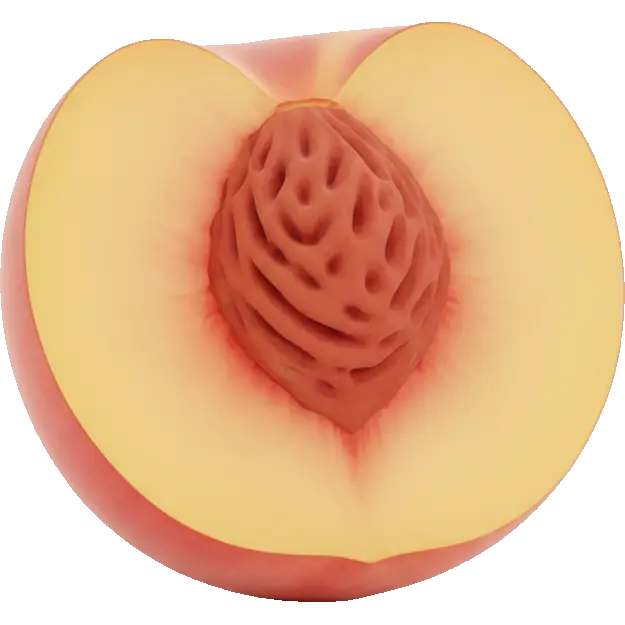
- Stone fruits are naturally high in polyols
- Cooking doesn't reduce polyol content
- Avocado portion size matters - small amounts may be fine
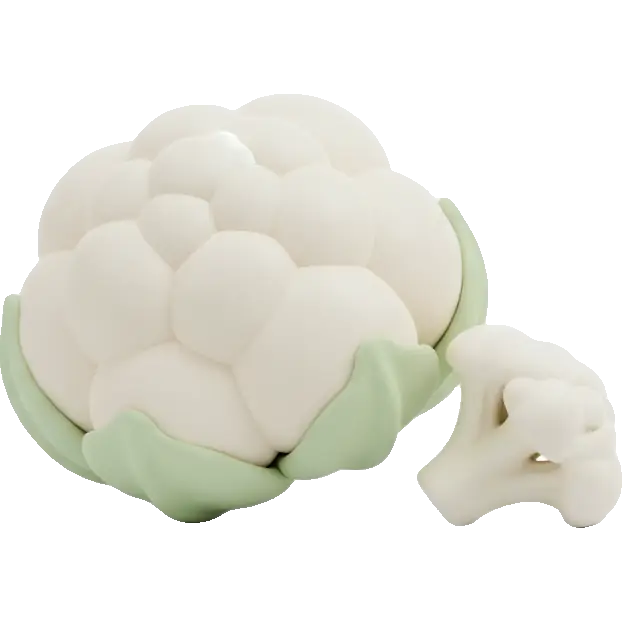
- Cauliflower and mushrooms are common triggers
Sensitivities
What honeyberry contains
FODMAPs
Histamine & Amines
Plant compounds
Irritants
Additives
Allergens
Diet fit
Where honeyberry fits
Therapeutic diets
Lifestyle diets
Religious diets
What to know about honeyberry
Honeyberry, sold through most of the trade as haskap, is the fruit of Lonicera caerulea: an edible honeysuckle, not a blueberry, however much the colour suggests otherwise. On the trigger data it is one of the quietest fruits in this journal. It grades A for histamine content, tyramine, nickel, sulfites, nitrites, free glutamates, lectins, nightshade, gluten and lactose, with only mild grades for histamine liberation, salicylates and oxalate. Its FODMAP columns are untested rather than cleared. The thing genuinely worth knowing about honeyberry is not intolerance at all, it is identity. Lonicera runs to roughly two hundred honeysuckles and this is the one species bred to be eaten. The ornamental honeysuckles in hedges and front gardens carry red and orange berries that commonly cause vomiting and diarrhoea, so the oblong blue fruit on a nursery haskap bush and the bright red fruit on a hedge are nothing like the same proposition.
Watch for
- Only Lonicera caerulea is the eating honeysuckle.The widely planted ornamentals, Tatarian and fly honeysuckle among them, produce red or orange paired berries that are routinely reported to cause vomiting, cramping and diarrhoea. Colour is the tell: haskap is deep blue, oblong and slightly waisted, and it grows on a low bush sold under a cultivar name. Never eat a honeysuckle berry off an unidentified plant
- Graded a mild histamine liberator while the fruit itself grades clean for histamine content.Those are two different mechanisms, and this is a fruit where the liberator column is the only histamine entry that carries anything at all, so log flushing or itch separately from gut symptoms
- FODMAP grades are unrated, not low.Haskap is intensely tart and is drunk as juice or eaten as thawed puree more often than by the handful, and a glass of juice represents a great many berries. Start with a food-sized portion rather than a drink-sized one
- Cultivar makes a real difference to how it tastes and to how your gut reads it.The older Russian lineage cultivars can be markedly bitter and astringent from tannin and acid, which is not a graded trigger but is a fair reason for reflux or a rough feeling on the teeth
- The berry is too soft to travel fresh, so almost every commercial exposure is frozen fruit, puree, juice, jam or a freeze-dried powder.Sweetened haskap products carry sugar that the fruit grades here say nothing about


Explore related in Fruit
Compare similar foods to build a personalized list of swaps that work for your system.


Polyols Guide
Everything you need to know about polyols sensitivity and smart food choices.
Polyols (sugar alcohols) are found naturally in some fruits and vegetables, and are used as artificial sweeteners. They're poorly absorbed and can cause digestive symptoms, especially in IBS sufferers.
Sensitivity varies widely. What triggers one person may be fine for another. Track your reactions to find your personal threshold.
These foods are generally well-tolerated for Polyols sensitivity:
View all safe options







These foods have moderate levels and may be tolerated in small amounts:



These foods are high in polyols and may trigger symptoms:
View full list
If you're sensitive to Polyols, consider these strategies:
- 1Avoid sugar-free products with sorbitol, mannitol, xylitol, maltitol
- 2Stone fruits are naturally high in polyols
- 3Cooking doesn't reduce polyol content
- 4Avocado portion size matters - small amounts may be fine
- 5Cauliflower and mushrooms are common triggers
Pro tip: Keep a food diary to track your reactions. The Triggerbites app makes this easy with automatic pattern detection.
Want personalized tracking?
Download Triggerbites to log meals, track symptoms, and discover your unique triggers.
Get the AppFAQ
Is honeyberry high in Polyols?
Polyols: higher signal - consider smaller servings or swaps.
Can I still eat honeyberry if I'm sensitive to Polyols?
Best to avoid or test carefully with a small amount.
What else should I check?
Check Low Fibre, Keto, and Histamine Liberators next for a fuller picture.