 Back to Polyols food checker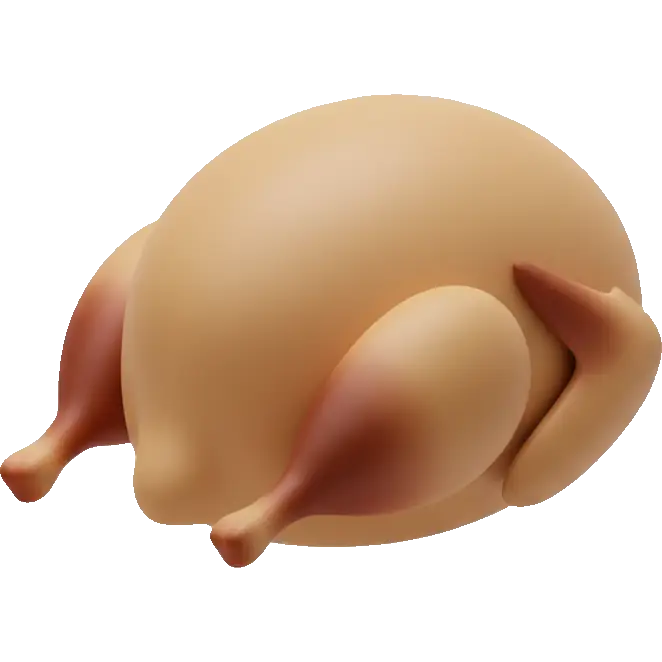
guinea fowl
Meat
Is guinea fowl high in polyols?
Is guinea fowl high or low in polyols? See its exact rating, how much counts as a portion, and its FODMAP, salicylate, oxalate and diet compatibility in one place.

Related checkers
Compare guinea fowl across criteria

Sensitivity notes
Why polyols food checker matters
Polyols (sugar alcohols) are found naturally in some fruits and vegetables, and are used as artificial sweeteners. They're poorly absorbed and can cause digestive symptoms, especially in IBS sufferers.
- Avoid sugar-free products with sorbitol, mannitol, xylitol, maltitol
- Stone fruits are naturally high in polyols
- Cooking doesn't reduce polyol content
- Avocado portion size matters - small amounts may be fine
- Cauliflower and mushrooms are common triggers

Sensitivities
What guinea fowl contains
FODMAPs







Histamine & Amines



Plant compounds




Irritants




Additives



Allergens
















Diet fit
Where guinea fowl fits
Therapeutic diets










Lifestyle diets









Religious diets






What to know about guinea fowl
Guinea fowl is the compromise bird: it tastes gamey the way pheasant does but it is farmed rather than shot, which removes the two things that complicate wild game in a trigger diary. There is no lead shot to worry about and no uncontrolled hanging period building amines. The chart reflects that. Guinea fowl grades clean across every trigger column we track, histamine, histamine liberation, tyramine, salicylate, oxalate, nickel, sulfite, nitrite, glutamate, gluten, lactose, dairy protein, nightshade and all five FODMAP groups. For an elimination phase it is one of the safest proteins in the database.
Watch for
- The meat is very lean, particularly the breast, and the standard fix is barding with bacon or brushing with butter.Both add triggers the bird does not have, so the wrapping is worth logging separately.
- Guinea fowl is often sold as a whole bird and roasted with a stuffing, and the stuffing is usually onion, breadcrumb and herb based.On a low FODMAP or gluten free phase that is the part to change.
- Like all poultry, histamine climbs with time and temperature after slaughter.The clean grade describes a properly chilled fresh bird, not one that has sat.
- It is a bird, so it makes no alpha-gal.Guinea fowl stays available to anyone who has lost mammalian meat to a tick bite.
- Some birds are sold at an older age for a stronger flavour, which is when the texture toughens and slow braising replaces roasting.That changes the dish rather than the trigger profile.



Explore related in Meat
Compare similar foods to build a personalized list of swaps that work for your system.
Polyols Guide
Everything you need to know about polyols sensitivity and smart food choices.
Polyols (sugar alcohols) are found naturally in some fruits and vegetables, and are used as artificial sweeteners. They're poorly absorbed and can cause digestive symptoms, especially in IBS sufferers.
Sensitivity varies widely. What triggers one person may be fine for another. Track your reactions to find your personal threshold.

These foods are generally well-tolerated for Polyols sensitivity:
View all safe options








These foods have moderate levels and may be tolerated in small amounts:




These foods are high in polyols and may trigger symptoms:
View full list
If you're sensitive to Polyols, consider these strategies:
- 1Avoid sugar-free products with sorbitol, mannitol, xylitol, maltitol
- 2Stone fruits are naturally high in polyols
- 3Cooking doesn't reduce polyol content
- 4Avocado portion size matters - small amounts may be fine
- 5Cauliflower and mushrooms are common triggers
Pro tip: Keep a food diary to track your reactions. The Triggerbites app makes this easy with automatic pattern detection.
Want personalized tracking?
Download Triggerbites to log meals, track symptoms, and discover your unique triggers.
Get the AppFAQ
Is guinea fowl high in Polyols?
Polyols: low signal for most people.
Can I still eat guinea fowl if I'm sensitive to Polyols?
Usually fine in normal portions.
What else should I check?
Check Vegan, Vegetarian, and Pescatarian next for a fuller picture.