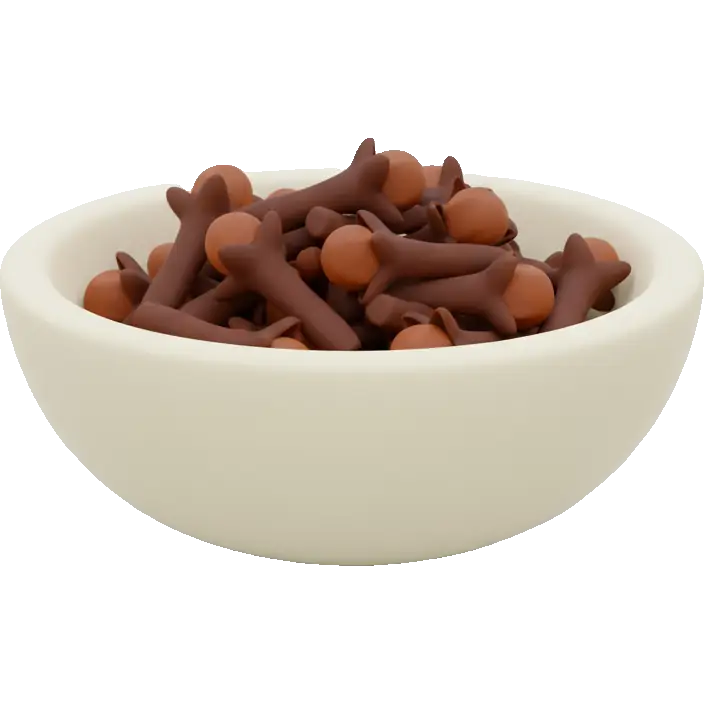
cloves
Herbs & Spices
Is cloves high in polyols?
Is cloves high or low in polyols? See its exact rating, how much counts as a portion, and its FODMAP, salicylate, oxalate and diet compatibility in one place.
Related checkers
Compare cloves across criteria
Sensitivity notes
Why polyols food checker matters
Polyols (sugar alcohols) are found naturally in some fruits and vegetables, and are used as artificial sweeteners. They're poorly absorbed and can cause digestive symptoms, especially in IBS sufferers.
- Avoid sugar-free products with sorbitol, mannitol, xylitol, maltitol
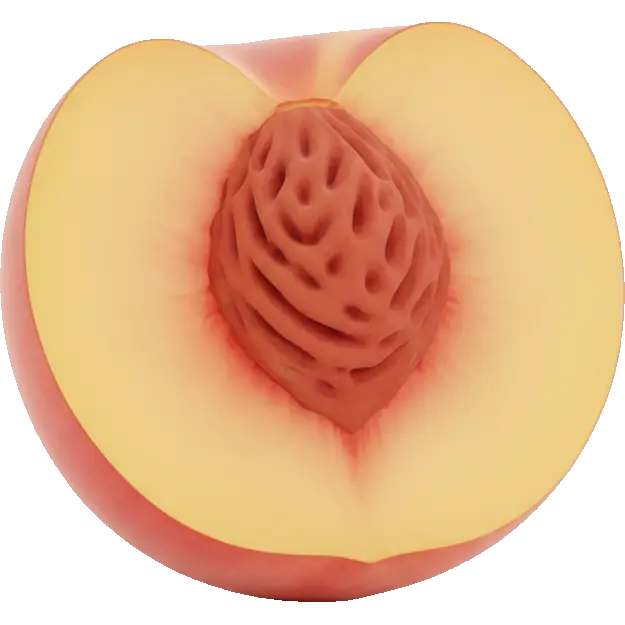
- Stone fruits are naturally high in polyols
- Cooking doesn't reduce polyol content
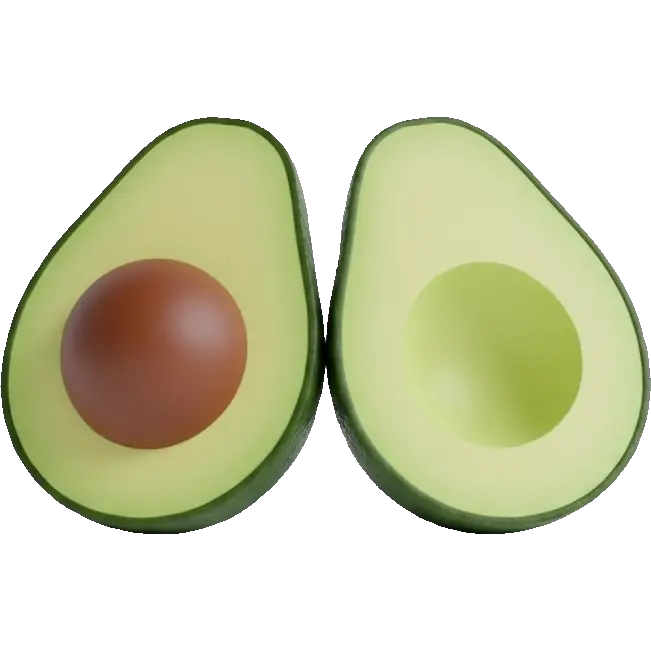
- Avocado portion size matters - small amounts may be fine
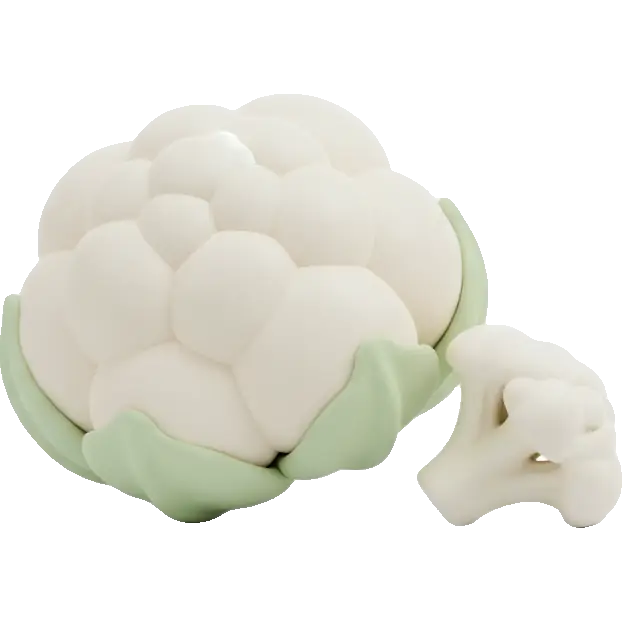
- Cauliflower and mushrooms are common triggers
Sensitivities
What cloves contains
FODMAPs
Histamine & Amines
Plant compounds
Irritants
Additives
Allergens
Diet fit
Where cloves fits
Therapeutic diets
Lifestyle diets
Religious diets
What to know about cloves
Cloves are essentially a delivery system for eugenol, which makes up the overwhelming majority of the essential oil and gives clove its numbing, medicinal bite. That density is why clove sits in the very high band on salicylate elimination lists when compared gram for gram against other foods, and yet our practical rating for cloves is moderate rather than high, because nobody eats them by the gram. Three cloves in a pot of stew or a pinch in a spice mix is a real but small exposure. Clove oil, taken neat, is a completely different quantity of the same compound.
Watch for
- Moderate salicylates in the amounts people actually cook with, but the concentration by weight is extreme, so a heavily cloved mulled wine, chai or spice rub is a much bigger hit than a single stuck-in-an-onion clove
- Clove oil is not the same exposure as ground clove.Concentrated eugenol is a mucosal irritant, and swallowed in quantity it is genuinely toxic, which is why dental use is a drop on a cotton bud and not a spoonful
- Eugenol is a recognised contact allergen and appears in fragrance patch-test panels, so mouth and lip reactions to clove-flavoured toothpaste or mouthwash are a documented pattern that has nothing to do with digesting food
- Mild ratings on free glutamates, oxalates and histamine liberation, and clean on histamine content, gluten, FODMAPs, lactose, nickel and sulfites



Explore related in Herbs & Spices
Compare similar foods to build a personalized list of swaps that work for your system.


Polyols Guide
Everything you need to know about polyols sensitivity and smart food choices.
Polyols (sugar alcohols) are found naturally in some fruits and vegetables, and are used as artificial sweeteners. They're poorly absorbed and can cause digestive symptoms, especially in IBS sufferers.
Sensitivity varies widely. What triggers one person may be fine for another. Track your reactions to find your personal threshold.
These foods are generally well-tolerated for Polyols sensitivity:
View all safe options







These foods have moderate levels and may be tolerated in small amounts:




These foods are high in polyols and may trigger symptoms:
View full list

If you're sensitive to Polyols, consider these strategies:
- 1Avoid sugar-free products with sorbitol, mannitol, xylitol, maltitol
- 2Stone fruits are naturally high in polyols
- 3Cooking doesn't reduce polyol content
- 4Avocado portion size matters - small amounts may be fine
- 5Cauliflower and mushrooms are common triggers
Pro tip: Keep a food diary to track your reactions. The Triggerbites app makes this easy with automatic pattern detection.
Want personalized tracking?
Download Triggerbites to log meals, track symptoms, and discover your unique triggers.
Get the AppFAQ
Is cloves high in Polyols?
Polyols: low signal for most people.
Can I still eat cloves if I'm sensitive to Polyols?
Usually fine in normal portions.
What else should I check?
Check Salicylates, Low Salicylate, and Histamine Liberators next for a fuller picture.