
boysenberry
Fruit
Is boysenberry high in polyols?
Is boysenberry high or low in polyols? See its exact rating, how much counts as a portion, and its FODMAP, salicylate, oxalate and diet compatibility in one place.
Related checkers
Compare boysenberry across criteria
Sensitivity notes
Why polyols food checker matters
Polyols (sugar alcohols) are found naturally in some fruits and vegetables, and are used as artificial sweeteners. They're poorly absorbed and can cause digestive symptoms, especially in IBS sufferers.
- Avoid sugar-free products with sorbitol, mannitol, xylitol, maltitol
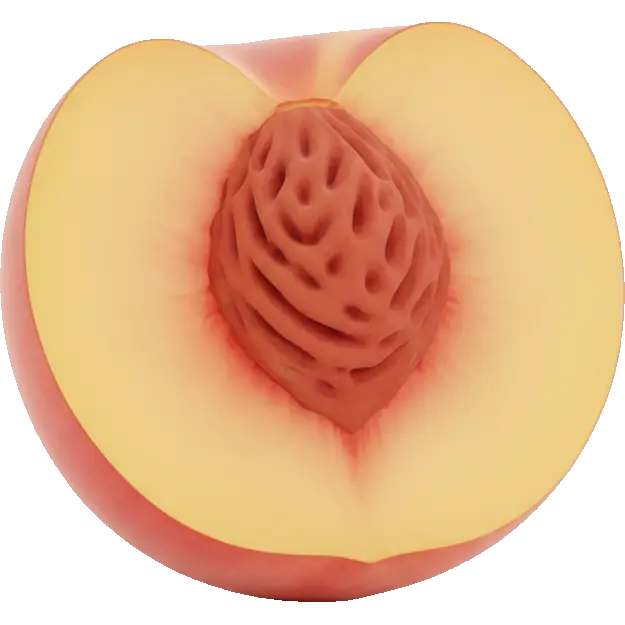
- Stone fruits are naturally high in polyols
- Cooking doesn't reduce polyol content
- Avocado portion size matters - small amounts may be fine
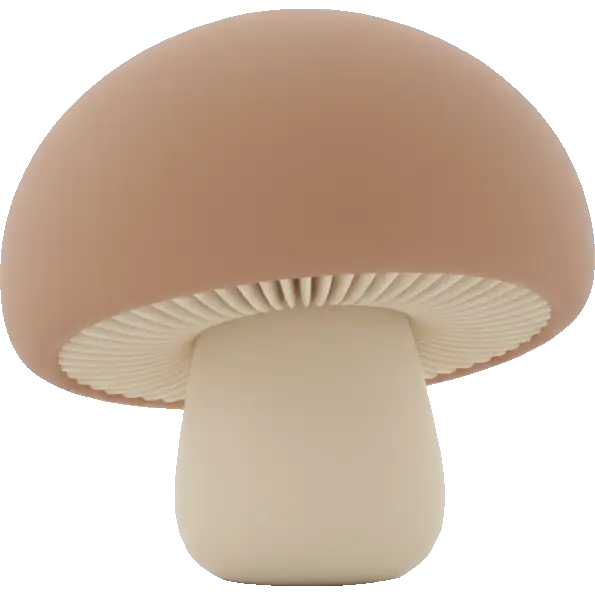
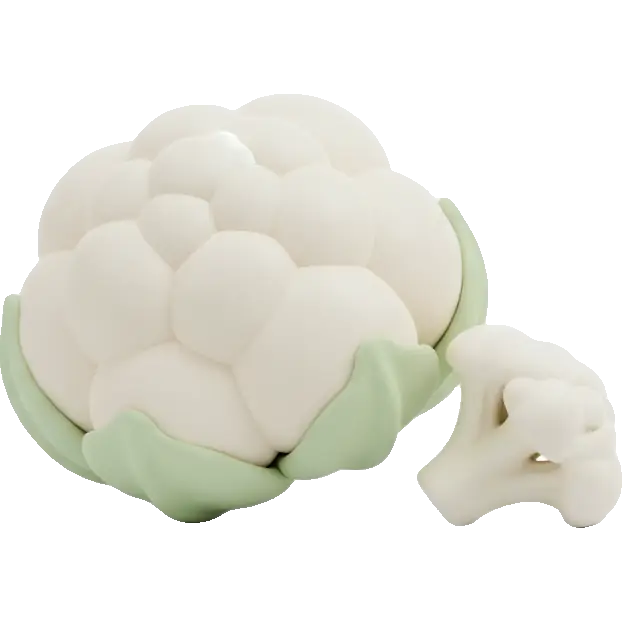
- Cauliflower and mushrooms are common triggers
Sensitivities
What boysenberry contains
FODMAPs
Histamine & Amines
Plant compounds
Irritants
Additives
Allergens
Diet fit
Where boysenberry fits
Therapeutic diets
Lifestyle diets
Religious diets
What to know about boysenberry
The boysenberry is a four way hybrid of blackberry, raspberry, loganberry and dewberry, bred by Rudolph Boysen in 1920s California and made famous by Walter Knott. It is graded high FODMAP, driven by polyols with a moderate excess fructose load behind them. The useful surprise is salicylates: boysenberry is graded only mildly elevated, noticeably lower than the blackberry and raspberry it descends from, so it can be a workable berry for someone eliminating salicylates who has already had to drop the rest of the bramble fruit. It is also graded low in histamine and is not a histamine liberator. The practical catch is that the berry is too fragile to ship fresh, so almost every real world exposure is jam, syrup, pie filling or canned fruit, where added sugar rides in with the berry.
Watch for
- High in polyols, which is what pushes boysenberry into the high FODMAP band.A small handful is a very different exposure from a serving of pie filling
- Moderate excess fructose stacked on top of the polyols, so the two FODMAP groups compound in a single portion
- Moderate fit for low fermentation SIBO protocols, worth a cautious trial rather than a free pass
- Only mildly elevated on salicylates and oxalate, which sets it apart from blackberry and raspberry.If bramble berries usually trigger you, this one is worth retesting on its own
- Almost always sold as jam, syrup, canned fruit or frozen because the fruit is too soft to travel.The sweetened preserve is the exposure most people are actually logging, so record the product rather than the berry




Explore related in Fruit
Compare similar foods to build a personalized list of swaps that work for your system.


Polyols Guide
Everything you need to know about polyols sensitivity and smart food choices.
Polyols (sugar alcohols) are found naturally in some fruits and vegetables, and are used as artificial sweeteners. They're poorly absorbed and can cause digestive symptoms, especially in IBS sufferers.
Sensitivity varies widely. What triggers one person may be fine for another. Track your reactions to find your personal threshold.
These foods are generally well-tolerated for Polyols sensitivity:
View all safe options







These foods have moderate levels and may be tolerated in small amounts:




These foods are high in polyols and may trigger symptoms:
View full list


If you're sensitive to Polyols, consider these strategies:
- 1Avoid sugar-free products with sorbitol, mannitol, xylitol, maltitol
- 2Stone fruits are naturally high in polyols
- 3Cooking doesn't reduce polyol content
- 4Avocado portion size matters - small amounts may be fine
- 5Cauliflower and mushrooms are common triggers
Pro tip: Keep a food diary to track your reactions. The Triggerbites app makes this easy with automatic pattern detection.
Want personalized tracking?
Download Triggerbites to log meals, track symptoms, and discover your unique triggers.
Get the AppFAQ
Is boysenberry high in Polyols?
Polyols: higher signal - consider smaller servings or swaps.
Can I still eat boysenberry if I'm sensitive to Polyols?
Best to avoid or test carefully with a small amount.
What else should I check?
Check Low Fibre, FODMAPs, and Gastroparesis Diet next for a fuller picture.