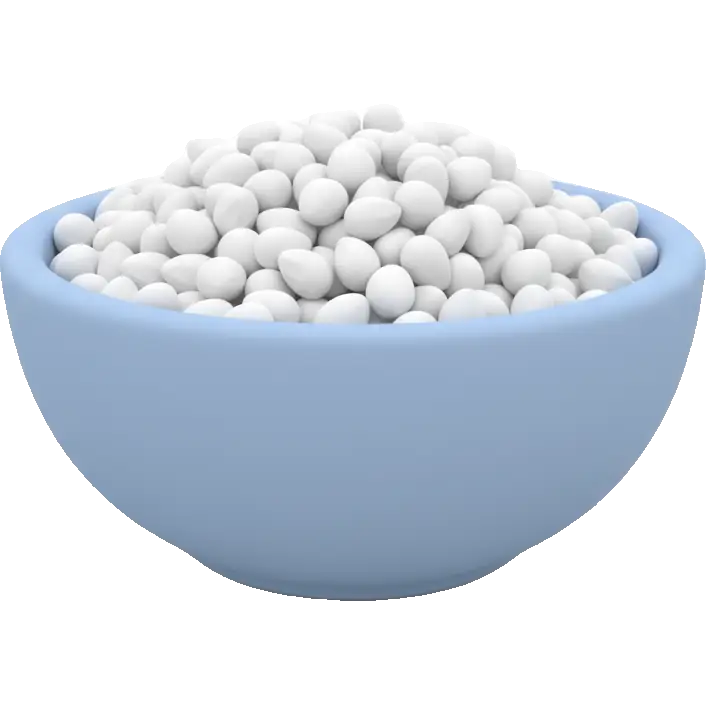
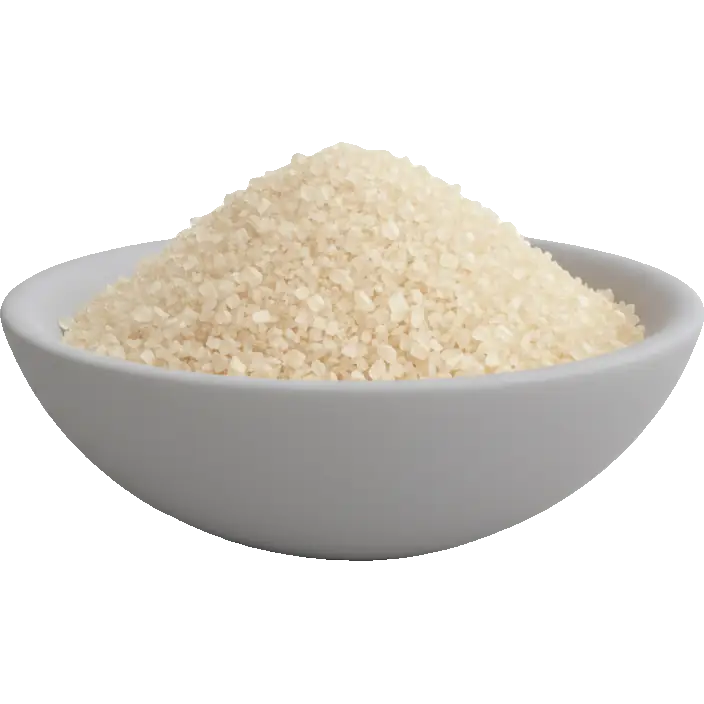
safflower seeds
Nuts & Seeds
Is safflower seeds aip-compatible?
See whether safflower seeds fits an aip diet, with a clear compatible-or-avoid verdict plus its FODMAP, histamine and other trigger ratings in one place.
Related checkers
Compare safflower seeds across criteria
Sensitivity notes
Why aip diet checker matters
The Paleo Autoimmune Protocol (AIP) is an elimination diet designed to reduce inflammation and heal the gut in people with autoimmune conditions. It removes grains, legumes, dairy, eggs, nuts, seeds, and nightshades during the elimination phase.
- Elimination phase removes all potentially inflammatory foods
- Focus on nutrient-dense foods: organ meats, bone broth, vegetables
- Reintroduce foods one at a time after 30-90 days
- Sleep, stress management, and movement are part of the protocol
- Work with a practitioner experienced in autoimmune protocols
Sensitivities
What safflower seeds contains
FODMAPs
Histamine & Amines
Plant compounds
Irritants
Additives
Allergens
Diet fit
Where safflower seeds fits
Therapeutic diets
Lifestyle diets
Religious diets
What to know about safflower seeds
The thing most people miss about safflower seeds is the family tree. Safflower is Carthamus tinctorius, an Asteraceae (Compositae) thistle, which puts it in the same botanical family as ragweed, mugwort, chamomile and sunflower. If your allergy history includes weed pollen or sunflower seeds, safflower is a family member, not a neutral substitute. Beyond that the grades are ordinary seed grades: high in nickel (D), moderate oxalate, moderate FODMAP, and an omega-6 linoleic profile that keeps it just off the cleanest anti-inflammatory tier.
Watch for
- Asteraceae family member, alongside ragweed, mugwort, sunflower, chamomile, echinacea, artichoke and lettuce.Cross-reactivity within this family runs through shared panallergens such as profilin, so people already sensitised to weed pollen or sunflower seed are the group most likely to react
- Occupational and respiratory reactions to safflower dust and seed handling are the pattern reported most often, so a reaction can present as sneezing, wheeze or itchy eyes rather than the gut symptoms people expect from a food
- High in nickel (graded D), which is standard for oil seeds and worth tracking if nickel-driven skin symptoms are part of your picture
- Linoleic-acid dominant.High-linoleic safflower is one of the most omega-6-heavy seeds grown, and the whole seed grades B on the anti-inflammatory scale while the refined oil drops to C, so quantity and form both matter here
- Moderate oxalate and moderate FODMAP load, ordinary for a seed but easy to overshoot because safflower turns up as a cheap bulk filler in trail mixes and bird-seed-style snack blends






Explore related in Nuts & Seeds
Compare similar foods to build a personalized list of swaps that work for your system.

AIP Guide
Everything you need to know about aip compatibility and smart food choices.
The Paleo Autoimmune Protocol (AIP) is an elimination diet designed to reduce inflammation and heal the gut in people with autoimmune conditions. It removes grains, legumes, dairy, eggs, nuts, seeds, and nightshades during the elimination phase.



Practical guidance for following a AIP diet:
- 1Elimination phase removes all potentially inflammatory foods
- 2Focus on nutrient-dense foods: organ meats, bone broth, vegetables
- 3Reintroduce foods one at a time after 30-90 days
- 4Sleep, stress management, and movement are part of the protocol
- 5Work with a practitioner experienced in autoimmune protocols
Pro tip: Keep a food diary to track your reactions. The Triggerbites app makes this easy with automatic pattern detection.
Want personalized tracking?
Download Triggerbites to log meals, track symptoms, and discover your unique triggers.
Get the AppFAQ
Does safflower seeds fit an aip diet?
AIP: avoid for strict plans.
What if I eat it occasionally?
Occasional use may break strict plans.
What are safer swaps?
Compare within the Nuts & Seeds group.