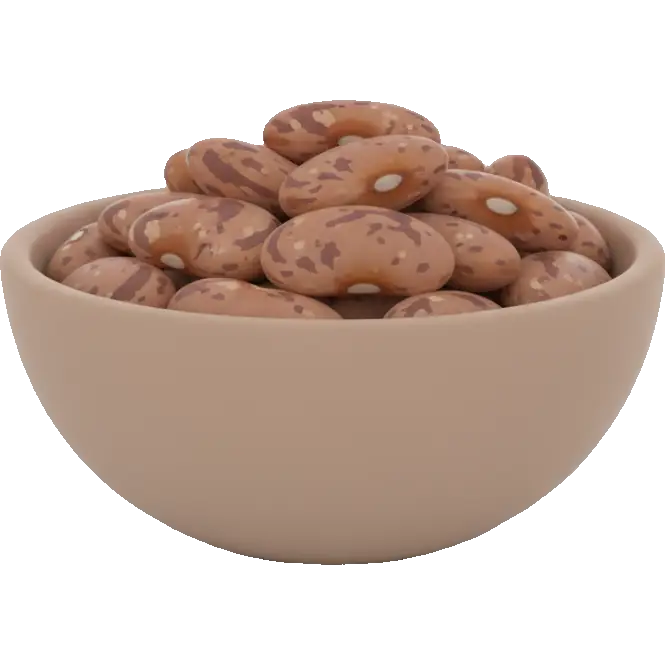
pinto beans
Legumes/Pulses
Is pinto beans aip-compatible?
See whether pinto beans fits an aip diet, with a clear compatible-or-avoid verdict plus its FODMAP, histamine and other trigger ratings in one place.
Related checkers
Compare pinto beans across criteria
Sensitivity notes
Why aip diet checker matters
The Paleo Autoimmune Protocol (AIP) is an elimination diet designed to reduce inflammation and heal the gut in people with autoimmune conditions. It removes grains, legumes, dairy, eggs, nuts, seeds, and nightshades during the elimination phase.
- Elimination phase removes all potentially inflammatory foods
- Focus on nutrient-dense foods: organ meats, bone broth, vegetables
- Reintroduce foods one at a time after 30-90 days
- Sleep, stress management, and movement are part of the protocol
- Work with a practitioner experienced in autoimmune protocols
Sensitivities
What pinto beans contains
FODMAPs
Histamine & Amines
Plant compounds
Irritants
Additives
Allergens
Diet fit
Where pinto beans fits
Therapeutic diets
Lifestyle diets
Religious diets
What to know about pinto beans
Pinto beans are the refried-beans and burrito staple, and while they are anti-inflammatory and clean on gluten, lactose and histamine, they stack up several separate triggers at once: they are high in galacto-oligosaccharides (the GOS FODMAP that makes beans famously gassy), high in salicylates, and high in nickel. That combination is why a burrito bowl can leave a sensitive gut bloated even when the same person tolerates rice or plain meat fine.
Watch for
- High in galacto-oligosaccharides (GOS), the fermentable fibre that ferments in the colon and drives the classic bloating, wind and cramping after beans
- High in salicylates, so pinto beans can add to your salicylate load if you react to aspirin or salicylate-rich foods
- High in nickel, which matters for systemic nickel allergy (dermatitis flares), since legumes are one of the biggest dietary nickel sources
- Rated poor for SIBO, so they are an easy food to overshoot if you are managing bacterial overgrowth







Explore related in Legumes/Pulses
Compare similar foods to build a personalized list of swaps that work for your system.


AIP Guide
Everything you need to know about aip compatibility and smart food choices.
The Paleo Autoimmune Protocol (AIP) is an elimination diet designed to reduce inflammation and heal the gut in people with autoimmune conditions. It removes grains, legumes, dairy, eggs, nuts, seeds, and nightshades during the elimination phase.



Practical guidance for following a AIP diet:
- 1Elimination phase removes all potentially inflammatory foods
- 2Focus on nutrient-dense foods: organ meats, bone broth, vegetables
- 3Reintroduce foods one at a time after 30-90 days
- 4Sleep, stress management, and movement are part of the protocol
- 5Work with a practitioner experienced in autoimmune protocols
Pro tip: Keep a food diary to track your reactions. The Triggerbites app makes this easy with automatic pattern detection.
Want personalized tracking?
Download Triggerbites to log meals, track symptoms, and discover your unique triggers.
Get the AppFAQ
Does pinto beans fit an aip diet?
AIP: avoid for strict plans.
What if I eat it occasionally?
Occasional use may break strict plans.
What are safer swaps?
Compare within the Legumes/Pulses group.