
kale sprouts
Vegetables
Is kale sprouts high in oxalates?
Is kale sprouts high or low in oxalates? See its exact rating, how much counts as a portion, and its FODMAP, salicylate, oxalate and diet compatibility in one place.
Related checkers
Compare kale sprouts across criteria
Sensitivity notes
Why oxalates food checker matters
Oxalates are compounds found in many plant foods that can bind with calcium to form crystals. High oxalate intake may contribute to kidney stones in susceptible individuals and can cause other symptoms in those with oxalate sensitivity.
- Stay well-hydrated to help prevent oxalate crystal formation
- Pair high-oxalate foods with calcium-rich foods to bind oxalates
- Cooking and boiling can reduce oxalate content in some foods
- Spread oxalate intake throughout the day rather than one large dose
- Consider probiotics - some gut bacteria break down oxalates
Sensitivities
What kale sprouts contains
FODMAPs
Histamine & Amines
Plant compounds
Irritants
Additives
Allergens
Diet fit
Where kale sprouts fits
Therapeutic diets
Lifestyle diets
Religious diets
What to know about kale sprouts
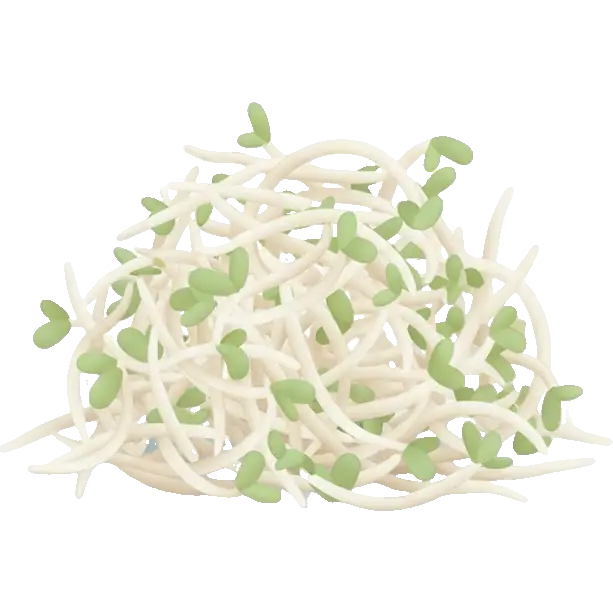
Kale sprouts are kale seed germinated and eaten a few days old, and in a trigger journal they behave as their own food rather than as baby kale. The chemistry is reassuringly quiet: no gluten, lactose or dairy protein, nothing on histamine or histamine liberation, nothing on tyramine, caffeine, sulfites, nitrites, free glutamates or nightshade, low FODMAP overall and clean on lectins. What marks are there are mild: a touch of brassica fructans, borderline salicylates, borderline oxalate and borderline nickel, none of them the kind of grade that drives a reaction on its own. The caveat that actually matters for kale sprouts is not food chemistry at all. Sprouts are grown warm and damp and eaten raw, which is the same food safety story that follows alfalfa and broccoli sprouts, and brassica seed brings glucosinolates along with the peppery bite.
Watch for
- Raw sprouts of every kind carry a documented pathogen risk.The warm humid conditions that germinate the seed also suit Salmonella, Listeria and E. coli, and US regulators advise anyone pregnant, elderly, very young or immunocompromised to cook sprouts through rather than eat them raw
- Mild fructans, the brassica FODMAP that also shows up in cabbage and broccoli sprouts.A garnish handful stays comfortably low; a bowl of sprouts as the salad base is where bloating starts
- Borderline on salicylates and borderline on oxalate.Small deposits rather than a problem, but they count against a daily total if you are running a strict elimination
- Borderline nickel.Our data actually puts kale sprouts a notch below mature kale here, but seeds and sprouted seeds are a category worth testing carefully on a low nickel protocol
- Brassica sprouts concentrate glucosinolates, the mustard oil compounds behind the sharp taste.We do not grade them as a criterion, but they are why raw brassica sprouts can feel harsh on an already irritable stomach





Explore related in Vegetables
Compare similar foods to build a personalized list of swaps that work for your system.



Oxalates Guide
Everything you need to know about oxalates sensitivity and smart food choices.
Oxalates are compounds found in many plant foods that can bind with calcium to form crystals. High oxalate intake may contribute to kidney stones in susceptible individuals and can cause other symptoms in those with oxalate sensitivity.
Sensitivity varies widely. What triggers one person may be fine for another. Track your reactions to find your personal threshold.
These foods are generally well-tolerated for Oxalates sensitivity:
View all safe options






These foods have moderate levels and may be tolerated in small amounts:







These foods are high in oxalates and may trigger symptoms:
View full list





If you're sensitive to Oxalates, consider these strategies:
- 1Stay well-hydrated to help prevent oxalate crystal formation
- 2Pair high-oxalate foods with calcium-rich foods to bind oxalates
- 3Cooking and boiling can reduce oxalate content in some foods
- 4Spread oxalate intake throughout the day rather than one large dose
- 5Consider probiotics - some gut bacteria break down oxalates
Pro tip: Keep a food diary to track your reactions. The Triggerbites app makes this easy with automatic pattern detection.
Want personalized tracking?
Download Triggerbites to log meals, track symptoms, and discover your unique triggers.
Get the AppFAQ
Is kale sprouts high in Oxalates?
Oxalates: moderate signal - portion size matters.
Can I still eat kale sprouts if I'm sensitive to Oxalates?
Try smaller portions and space it out.
What else should I check?
Check Gastroparesis Diet, Low Fibre, and Fructans next for a fuller picture.