 Back to Oxalates food checker
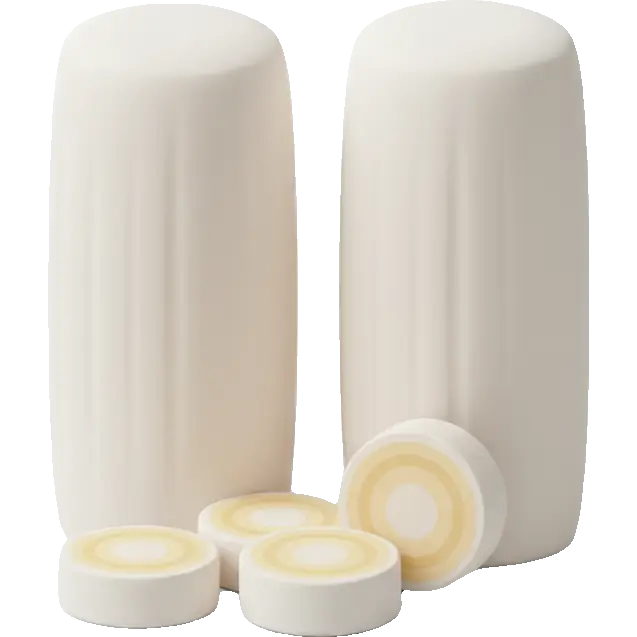
hearts of palm
Vegetables
Is hearts of palm high in oxalates?
Is hearts of palm high or low in oxalates? See its exact rating, how much counts as a portion, and its FODMAP, salicylate, oxalate and diet compatibility in one place.

Related checkers
Compare hearts of palm across criteria

Sensitivity notes
Why oxalates food checker matters
Oxalates are compounds found in many plant foods that can bind with calcium to form crystals. High oxalate intake may contribute to kidney stones in susceptible individuals and can cause other symptoms in those with oxalate sensitivity.
- Stay well-hydrated to help prevent oxalate crystal formation
- Pair high-oxalate foods with calcium-rich foods to bind oxalates
- Cooking and boiling can reduce oxalate content in some foods
- Spread oxalate intake throughout the day rather than one large dose
- Consider probiotics - some gut bacteria break down oxalates

Sensitivities
What hearts of palm contains
FODMAPs







Histamine & Amines



Plant compounds




Irritants




Additives



Allergens
















Diet fit
Where hearts of palm fits
Therapeutic diets










Lifestyle diets









Religious diets






What to know about hearts of palm
Hearts of palm are the tender inner core of a palm stem, sold almost entirely canned or jarred in brine. They are one of the quietest things in the pantry on trigger grades: low FODMAP across fructans, GOS, fructose and polyols, no histamine and no histamine liberator flag, no salicylate, gluten, lactose, nightshade, sulfite, nitrite or free glutamate reading. Oxalate and nickel are the two moderates. Because they arrive in a can, people assume the usual canned food problems apply, and mostly they do not: the pack is acidified brine, not fermentation, so this is not an aged or histamine building food. The real caveat is sodium in the liquid, which rinsing solves. The other thing worth knowing is upstream of your plate: single stemmed wild palms are killed to harvest the heart, while farmed multi stemmed peach palm regrows and is the sustainable source.
Watch for
- The brine is the variable, not the vegetable.Around half a cup of canned hearts carries roughly 300mg of sodium, so drain and rinse if you are tracking blood pressure, fluid retention or reflux.
- Oxalate rates moderate.Nowhere near spinach territory, but hearts of palm are usually eaten as a bulk salad component rather than a garnish, so count them if you are building a genuinely low oxalate day.
- Nickel rates moderate, which only matters for systemic nickel allergy.Acidic canned foods in general are worth watching in that context because the contents sit against metal for months.
- No histamine or histamine liberator flag, so canned does not mean high histamine here.What does matter is what happens after opening: move leftovers out of the can and use them within a few days, the same rule as any opened canned vegetable.
- No sulfite flag on the grades, and the usual pack is water, salt and citric acid, but marinated or flavoured versions add their own ingredients.Read the jar rather than assuming the plain profile carries over.



Explore related in Vegetables
Compare similar foods to build a personalized list of swaps that work for your system.




Oxalates Guide
Everything you need to know about oxalates sensitivity and smart food choices.
Oxalates are compounds found in many plant foods that can bind with calcium to form crystals. High oxalate intake may contribute to kidney stones in susceptible individuals and can cause other symptoms in those with oxalate sensitivity.
Sensitivity varies widely. What triggers one person may be fine for another. Track your reactions to find your personal threshold.

These foods are generally well-tolerated for Oxalates sensitivity:
View all safe options





These foods have moderate levels and may be tolerated in small amounts:





These foods are high in oxalates and may trigger symptoms:
View full list

If you're sensitive to Oxalates, consider these strategies:
- 1Stay well-hydrated to help prevent oxalate crystal formation
- 2Pair high-oxalate foods with calcium-rich foods to bind oxalates
- 3Cooking and boiling can reduce oxalate content in some foods
- 4Spread oxalate intake throughout the day rather than one large dose
- 5Consider probiotics - some gut bacteria break down oxalates
Pro tip: Keep a food diary to track your reactions. The Triggerbites app makes this easy with automatic pattern detection.
Want personalized tracking?
Download Triggerbites to log meals, track symptoms, and discover your unique triggers.
Get the AppFAQ
Is hearts of palm high in Oxalates?
Oxalates: moderate signal - portion size matters.
Can I still eat hearts of palm if I'm sensitive to Oxalates?
Try smaller portions and space it out.
What else should I check?
Check Low Fibre, Gastroparesis Diet, and Nickel next for a fuller picture.