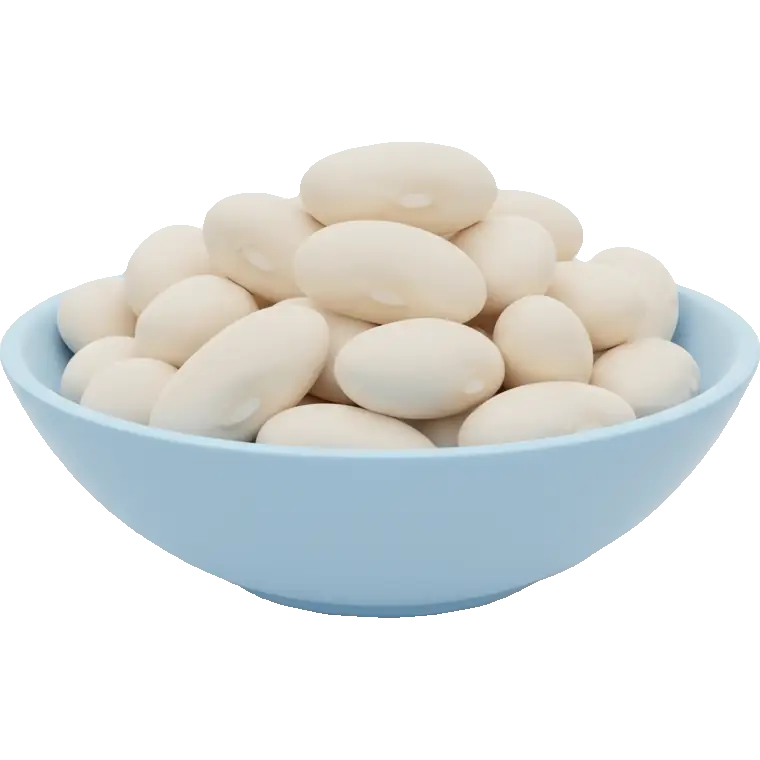
butter beans
Legumes/Pulses
Is butter beans high in oxalates?
Is butter beans high or low in oxalates? See its exact rating, how much counts as a portion, and its FODMAP, salicylate, oxalate and diet compatibility in one place.
Related checkers
Compare butter beans across criteria
Sensitivity notes
Why oxalates food checker matters
Oxalates are compounds found in many plant foods that can bind with calcium to form crystals. High oxalate intake may contribute to kidney stones in susceptible individuals and can cause other symptoms in those with oxalate sensitivity.
- Stay well-hydrated to help prevent oxalate crystal formation
- Pair high-oxalate foods with calcium-rich foods to bind oxalates
- Cooking and boiling can reduce oxalate content in some foods
- Spread oxalate intake throughout the day rather than one large dose
- Consider probiotics - some gut bacteria break down oxalates
Sensitivities
What butter beans contains
FODMAPs
Histamine & Amines
Plant compounds
Irritants
Additives
Allergens
Diet fit
Where butter beans fits
Therapeutic diets
Lifestyle diets
Religious diets
What to know about butter beans
Butter beans are the large, flat, mature seeds of the same plant sold young as lima beans, prized for their soft, creamy, almost buttery texture. That richness comes with a high FODMAP load: they are dense in galacto-oligosaccharides (GOS), the fermentable sugar that makes most beans hard to digest, so a normal serving commonly triggers gas and bloating. They are clean on histamine, gluten and dairy triggers, so the digestive complaints are almost always a FODMAP story rather than an allergy one.
Watch for
- High in galacto-oligosaccharides (GOS), a FODMAP humans cannot fully break down, so a standard portion often causes gas, bloating and cramping in sensitive or IBS-prone guts
- Draining and rinsing canned butter beans and keeping to a small portion leaches out and lowers the GOS, which is why tinned beans are gentler than a big bowl of home-cooked ones
- Contain lectins that are only neutralised by thorough cooking, so dried butter beans must be boiled hard, never just soaked or slow-warmed
- Moderate on salicylates and oxalates, worth noting only if you already stack a lot of high-salicylate or high-oxalate foods







Explore related in Legumes/Pulses
Compare similar foods to build a personalized list of swaps that work for your system.




Oxalates Guide
Everything you need to know about oxalates sensitivity and smart food choices.
Oxalates are compounds found in many plant foods that can bind with calcium to form crystals. High oxalate intake may contribute to kidney stones in susceptible individuals and can cause other symptoms in those with oxalate sensitivity.
Sensitivity varies widely. What triggers one person may be fine for another. Track your reactions to find your personal threshold.
These foods are generally well-tolerated for Oxalates sensitivity:
View all safe options





These foods have moderate levels and may be tolerated in small amounts:








These foods are high in oxalates and may trigger symptoms:
View full list





If you're sensitive to Oxalates, consider these strategies:
- 1Stay well-hydrated to help prevent oxalate crystal formation
- 2Pair high-oxalate foods with calcium-rich foods to bind oxalates
- 3Cooking and boiling can reduce oxalate content in some foods
- 4Spread oxalate intake throughout the day rather than one large dose
- 5Consider probiotics - some gut bacteria break down oxalates
Pro tip: Keep a food diary to track your reactions. The Triggerbites app makes this easy with automatic pattern detection.
Want personalized tracking?
Download Triggerbites to log meals, track symptoms, and discover your unique triggers.
Get the AppFAQ
Is butter beans high in Oxalates?
Oxalates: moderate signal - portion size matters.
Can I still eat butter beans if I'm sensitive to Oxalates?
Try smaller portions and space it out.
What else should I check?
Check AIP, Low Fibre, and Gastroparesis Diet next for a fuller picture.