 Back to Ingredient checker
black-eyed peas
Legumes/Pulses
Trigger checker for black-eyed peas
See black-eyed peas rated across every trigger — FODMAP, histamine, salicylate, oxalate, tyramine and more — plus diet compatibility, all in one quick ingredient profile.

Related checkers
Compare black-eyed peas across criteria

Sensitivities
What black-eyed peas contains
FODMAPs







Histamine & Amines



Plant compounds




Irritants




Additives



Allergens
















Diet fit
Where black-eyed peas fits
Therapeutic diets










Lifestyle diets









Religious diets






What to know about black-eyed peas
Black-eyed peas, the cowpea at the heart of Hoppin' John and soul-food cooking, are graded high on overall FODMAPs and high in lectins, which is why a big helping can leave a sensitive gut bloated and gassy. The useful twist is that they are gentler than most other beans: at a small serve they are one of the lower-FODMAP legumes, so people who cannot touch kidney beans or chickpeas can sometimes handle a modest spoonful of black-eyed peas. They are otherwise clean, with no histamine, salicylate, oxalate or nightshade load.
Watch for
- High overall FODMAP load, so a full-cup serving of black-eyed peas is a common cause of bloating and wind, even though a small portion is much better tolerated than most beans
- High in lectins like other legumes, which is why thorough soaking and a proper boil matter for lectin-sensitive people (never eat them undercooked)
- Rated poor for SIBO, so they can feed bacterial overgrowth and worsen symptoms in an already sensitive small intestine
- Clean on histamine, salicylate, oxalate and nightshade, so if beans are your only reaction the FODMAP and lectin content is almost always the reason



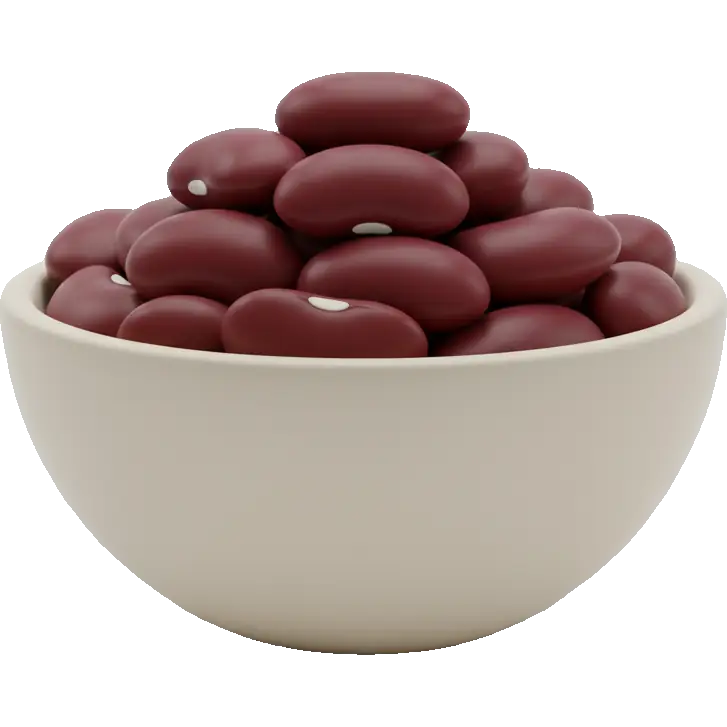
Explore related in Legumes/Pulses
Compare similar foods to build a personalized list of swaps that work for your system.

FAQ
What does the FODMAP rating mean for black-eyed peas?
High FODMAP: consider smaller servings or swap within the same group.
Is black-eyed peas generally well tolerated?
Lectin (Avoid) and Low Fermentation (Avoid) Start with those if you react.
What should I check next?
Compare within the Legumes/Pulses group.