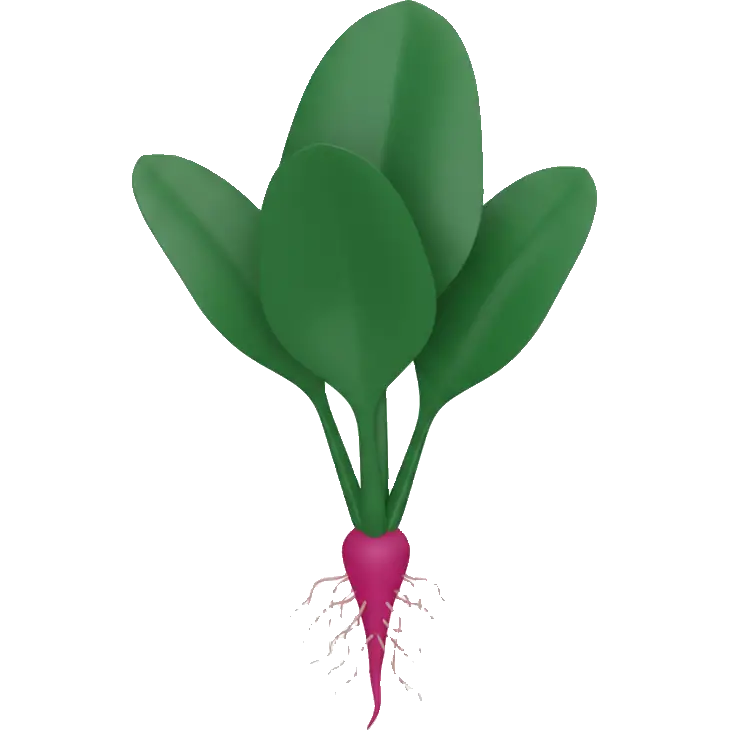
spinach root
Vegetables
Is spinach root high in lactose?
Is spinach root high or low in lactose? See its exact rating, how much counts as a portion, and its FODMAP, salicylate, oxalate and diet compatibility in one place.
Related checkers
Compare spinach root across criteria
Sensitivity notes
Why lactose food checker matters
Lactose is the natural sugar in milk and dairy products. People with lactose intolerance lack sufficient lactase enzyme to digest it, leading to bloating, gas, and digestive discomfort after consuming dairy.
- Try lactose-free dairy products - they're real dairy with lactase added
- Hard aged cheeses are naturally lower in lactose
- Lactase enzyme supplements can help when eating dairy
- Yogurt and kefir may be better tolerated due to probiotics
- Your tolerance level is personal - some can handle small amounts
Sensitivities
What spinach root contains
FODMAPs
Histamine & Amines
Plant compounds
Irritants
Additives
Allergens
Diet fit
Where spinach root fits
Therapeutic diets
Lifestyle diets
Religious diets
What to know about spinach root
Spinach root is the pink red crown and taproot at the base of a bunch of spinach. Western kitchens cut it off and bin it; Chinese and Japanese cooks split it, scrub it and keep it, because it is the sweetest part of the plant. Be careful how you read this page. The root has never been separately lab tested, so its grades here are a placeholder rather than a measurement: every FODMAP subgroup is unrated and the rest sit parked at borderline or moderate. The numbers that actually govern your meal are spinach own, and spinach is graded high on oxalate, high on salicylate, high on free glutamate and high on histamine and nickel. Nobody eats the root without the leaf, so plan around the leaf.
Watch for
- This row is not evidence that spinach root is a milder spinach.Its grades are gentler than the spinach leaf grades because the root has no dedicated data behind it, not because testing found it cleaner. Treating it as a safe version of spinach is the one mistake this page exists to prevent.
- Spinach is one of the highest oxalate foods there is, and the leaf is where oxalate concentrates.If you are managing calcium oxalate kidney stones, keeping or discarding the pink crown makes no practical difference to the load on your plate.
- The same applies to the other spinach triggers.The leaf is graded high on salicylates, high on free glutamate, which is part of why spinach tastes savoury, and high on histamine and nickel. Any spinach dish carries all of those whether or not the roots went in the pan.
- The root is where the grit lives.Split the crown lengthways and wash it through several changes of water, because sand trapped between the leaf bases is the most common actual complaint about eating it.
- Treat any reaction to this ingredient as unexplained rather than ruled out.With the FODMAP subgroups unrated on this row, there is no honest low FODMAP claim to make about the root on its own.





Explore related in Vegetables
Compare similar foods to build a personalized list of swaps that work for your system.


Lactose Guide
Everything you need to know about lactose sensitivity and smart food choices.
Lactose is the natural sugar in milk and dairy products. People with lactose intolerance lack sufficient lactase enzyme to digest it, leading to bloating, gas, and digestive discomfort after consuming dairy.
Sensitivity varies widely. What triggers one person may be fine for another. Track your reactions to find your personal threshold.
These foods are generally well-tolerated for Lactose sensitivity:
View all safe options






These foods have moderate levels and may be tolerated in small amounts:




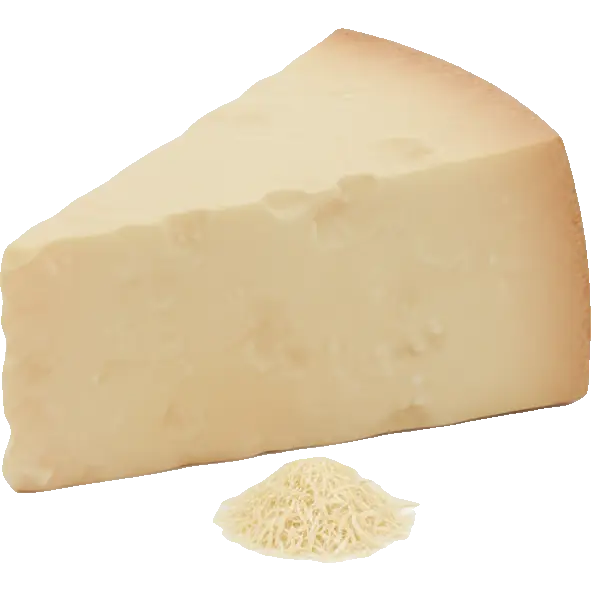
These foods are high in lactose and may trigger symptoms:
View full list







If you're sensitive to Lactose, consider these strategies:
- 1Try lactose-free dairy products - they're real dairy with lactase added
- 2Hard aged cheeses are naturally lower in lactose
- 3Lactase enzyme supplements can help when eating dairy
- 4Yogurt and kefir may be better tolerated due to probiotics
- 5Your tolerance level is personal - some can handle small amounts
Pro tip: Keep a food diary to track your reactions. The Triggerbites app makes this easy with automatic pattern detection.
Want personalized tracking?
Download Triggerbites to log meals, track symptoms, and discover your unique triggers.
Get the AppFAQ
Is spinach root high in Lactose?
Lactose: low signal for most people.
Can I still eat spinach root if I'm sensitive to Lactose?
Usually fine in normal portions.
What else should I check?
Check Jain, Salicylates, and Oxalates next for a fuller picture.