
sheep cheese
Dairy & Alternatives
Is sheep cheese high in histamine liberators?
Is sheep cheese high or low in histamine liberators? See its exact rating, how much counts as a portion, and its FODMAP, salicylate, oxalate and diet compatibility in one place.
Related checkers
Compare sheep cheese across criteria
Sensitivity notes
Why histamine liberators food checker matters
Histamine liberators are foods that don't contain much histamine themselves but can trigger your body to release stored histamine. This can cause similar symptoms to high-histamine foods in sensitive individuals.
- Avoid histamine liberators alongside high-histamine foods
- Common liberators include citrus, strawberries, tomatoes, and chocolate
- Your tolerance may vary based on overall histamine load
- Keep a symptom diary to identify your personal triggers
- Consider your total 'histamine bucket' - liberators add to it
Sensitivities
What sheep cheese contains
FODMAPs
Histamine & Amines
Plant compounds
Irritants
Additives
Allergens
Diet fit
Where sheep cheese fits
Therapeutic diets
Lifestyle diets
Religious diets
What to know about sheep cheese
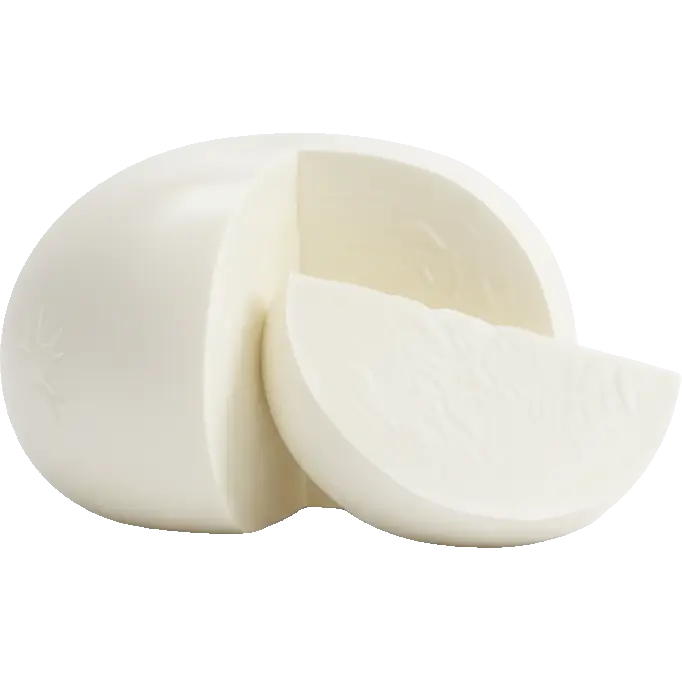
Sheep cheese covers roquefort, pecorino, manchego and feta, and it is graded high in histamine, high in dairy protein, moderate in lactose, glutamate, salicylate and oxalate, with tyramine borderline. The interesting part is that these move in opposite directions as the cheese matures. Ripening bacteria eat through the lactose, so the oldest hardest wheels are close to lactose free, while the same microbial activity strips amino acids into histamine and tyramine, so the amine load climbs the whole time. The wheel that suits a lactose intolerant eater best is often the one that suits a histamine intolerant eater worst, which is why people who feel fine on one sheep cheese can react badly to another.
Watch for
- Graded high in histamine.Ripening time is the driver: mould ripened roquefort and long aged pecorino sit at the demanding end, brined feta and young sheep cheeses lower, though nothing fermented is genuinely low histamine
- The ageing inversion is the thing to plan around.A twelve month pecorino has had almost all its lactose fermented away, which makes it easy on lactose but hard on histamine, while a young sheep cheese is the reverse trade
- Tyramine sits at borderline overall and is highest in the blues.That matters if you are on a MAO inhibitor, where aged cheese is the classic interaction, or if aged cheese reliably precedes your migraines
- Dairy protein is graded high.Sheep casein is close enough in structure to cow casein that it is not a route around a cow milk protein allergy, which is a separate question from whether you tolerate the lactose
- Free glutamate is moderate and rises with age.The deep savoury hit of grated pecorino is glutamate doing the same job it does in stock cubes, so aged sheep cheese belongs on the list if you track glutamate reactions





Explore related in Dairy & Alternatives
Compare similar foods to build a personalized list of swaps that work for your system.


Histamine Liberators Guide
Everything you need to know about histamine liberators sensitivity and smart food choices.
Histamine liberators are foods that don't contain much histamine themselves but can trigger your body to release stored histamine. This can cause similar symptoms to high-histamine foods in sensitive individuals.
Sensitivity varies widely. What triggers one person may be fine for another. Track your reactions to find your personal threshold.
These foods are generally well-tolerated for Histamine Liberators sensitivity:
View all safe options







These foods have moderate levels and may be tolerated in small amounts:







These foods are high in histamine liberators and may trigger symptoms:
View full list





If you're sensitive to Histamine Liberators, consider these strategies:
- 1Avoid histamine liberators alongside high-histamine foods
- 2Common liberators include citrus, strawberries, tomatoes, and chocolate
- 3Your tolerance may vary based on overall histamine load
- 4Keep a symptom diary to identify your personal triggers
- 5Consider your total 'histamine bucket' - liberators add to it
Pro tip: Keep a food diary to track your reactions. The Triggerbites app makes this easy with automatic pattern detection.
Want personalized tracking?
Download Triggerbites to log meals, track symptoms, and discover your unique triggers.
Get the AppFAQ
Is sheep cheese high in Histamine Liberators?
Histamine Liberators: higher signal - consider smaller servings or swaps.
Can I still eat sheep cheese if I'm sensitive to Histamine Liberators?
Best to avoid or test carefully with a small amount.
What else should I check?
Check Vegan, AIP, and EoE Compatible next for a fuller picture.