 Back to Histamine Liberators food checker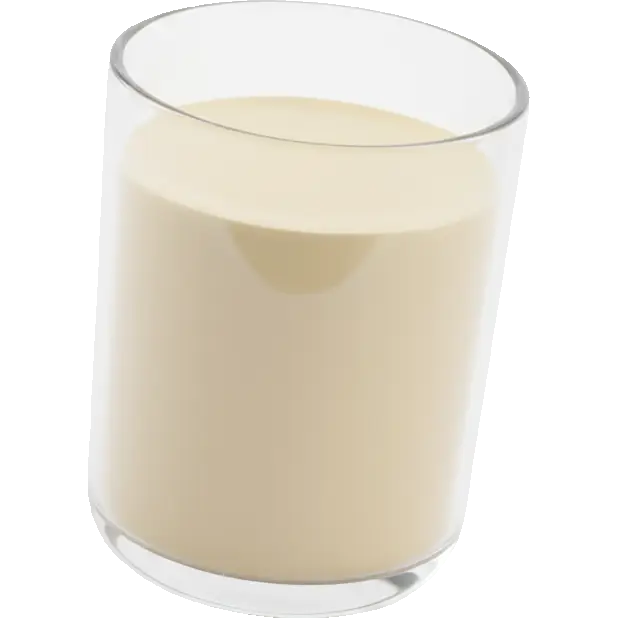
pea milk
Dairy & Alternatives
Is pea milk high in histamine liberators?
Is pea milk high or low in histamine liberators? See its exact rating, how much counts as a portion, and its FODMAP, salicylate, oxalate and diet compatibility in one place.

Related checkers
Compare pea milk across criteria

Sensitivity notes
Why histamine liberators food checker matters
Histamine liberators are foods that don't contain much histamine themselves but can trigger your body to release stored histamine. This can cause similar symptoms to high-histamine foods in sensitive individuals.
- Avoid histamine liberators alongside high-histamine foods
- Common liberators include citrus, strawberries, tomatoes, and chocolate
- Your tolerance may vary based on overall histamine load
- Keep a symptom diary to identify your personal triggers
- Consider your total 'histamine bucket' - liberators add to it

Sensitivities
What pea milk contains
FODMAPs







Histamine & Amines



Plant compounds




Irritants




Additives



Allergens















Diet fit
Where pea milk fits
Therapeutic diets









Lifestyle diets









Religious diets






What to know about pea milk
Pea milk is built from yellow pea protein isolate rather than from ground whole peas, and that one manufacturing detail is why it grades clean where the legume behind it does not. Whole peas are high FODMAP and heavy in galacto-oligosaccharides; isolating the protein leaves the fermentable carbohydrate behind, so pea milk grades A on total FODMAPs and on every subgroup, A for histamine and histamine liberation, A for salicylate, oxalate, nickel, sulfites, nitrites, free glutamate and tyramine, and A for lactose, dairy protein and gluten. Nothing on the trigger panel is flagged. Its practical selling point is what it leaves out: no dairy, no nuts, no soy, no gluten, at roughly 8 g of protein per cup, which is dairy milk's own number and about eight times what almond milk delivers. That combination is genuinely rare, and it is why pea milk keeps turning up as the recommended swap on our pages for people juggling more than one restriction at once. The real caveats sit with the carton rather than the pea: it is still a legume, it carries a moderate lectin grade, it is out during an AIP elimination, and the sweetened and flavoured cartons are a different product from the unsweetened original these grades describe.
Watch for
- Graded A across every FODMAP subgroup, including GOS and fructans, because protein isolation strips out the carbohydrate that makes whole peas high FODMAP.Pea flour and whole peas get no such pass, so do not read their grades across
- Pea is a legume and pea allergy is real, even though pea is not one of the nine major US allergens and needs no allergen callout on the label.Our pea protein page covers the documented cross-reactivity between pea, lupin and peanut, and it applies to the milk in exactly the same way
- The gums, oils and sugars carry the gut complaints far more often than the protein does.Most cartons include sunflower oil and gellan gum, and the chocolate and vanilla versions add cane sugar and cocoa on top, which is a separate trigger list from the one graded here
- Moderate lectin grade from its legume origin, and not AIP compliant, so it comes off the table during an autoimmune protocol elimination phase even though the chemical trigger panel is clear

Explore related in Dairy & Alternatives
Compare similar foods to build a personalized list of swaps that work for your system.

Histamine Liberators Guide
Everything you need to know about histamine liberators sensitivity and smart food choices.
Histamine liberators are foods that don't contain much histamine themselves but can trigger your body to release stored histamine. This can cause similar symptoms to high-histamine foods in sensitive individuals.
Sensitivity varies widely. What triggers one person may be fine for another. Track your reactions to find your personal threshold.

These foods are generally well-tolerated for Histamine Liberators sensitivity:
View all safe options








These foods have moderate levels and may be tolerated in small amounts:






These foods are high in histamine liberators and may trigger symptoms:
View full list





If you're sensitive to Histamine Liberators, consider these strategies:
- 1Avoid histamine liberators alongside high-histamine foods
- 2Common liberators include citrus, strawberries, tomatoes, and chocolate
- 3Your tolerance may vary based on overall histamine load
- 4Keep a symptom diary to identify your personal triggers
- 5Consider your total 'histamine bucket' - liberators add to it
Pro tip: Keep a food diary to track your reactions. The Triggerbites app makes this easy with automatic pattern detection.
Want personalized tracking?
Download Triggerbites to log meals, track symptoms, and discover your unique triggers.
Get the AppFAQ
Is pea milk high in Histamine Liberators?
Histamine Liberators: low signal for most people.
Can I still eat pea milk if I'm sensitive to Histamine Liberators?
Usually fine in normal portions.
What else should I check?
Check AIP, Paleo, and Whole30 next for a fuller picture.