 Back to Histamine Liberators food checker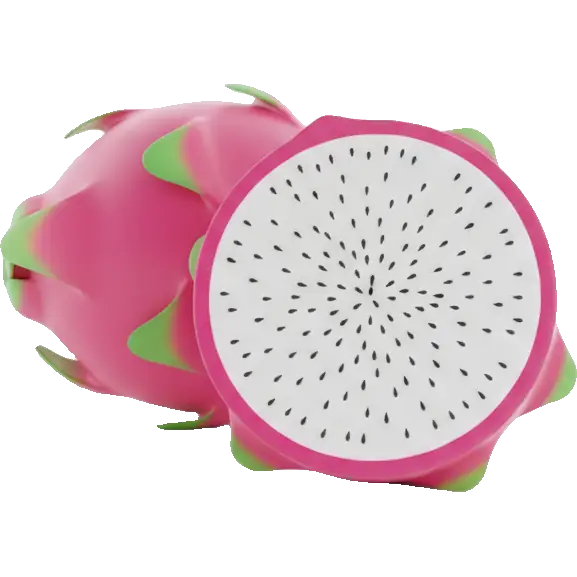
dragonfruit
Fruit
Is dragonfruit high in histamine liberators?
Is dragonfruit high or low in histamine liberators? See its exact rating, how much counts as a portion, and its FODMAP, salicylate, oxalate and diet compatibility in one place.

Related checkers
Compare dragonfruit across criteria

Sensitivity notes
Why histamine liberators food checker matters
Histamine liberators are foods that don't contain much histamine themselves but can trigger your body to release stored histamine. This can cause similar symptoms to high-histamine foods in sensitive individuals.
- Avoid histamine liberators alongside high-histamine foods
- Common liberators include citrus, strawberries, tomatoes, and chocolate
- Your tolerance may vary based on overall histamine load
- Keep a symptom diary to identify your personal triggers
- Consider your total 'histamine bucket' - liberators add to it

Sensitivities
What dragonfruit contains
FODMAPs







Histamine & Amines



Plant compounds




Irritants




Additives



Allergens
















Diet fit
Where dragonfruit fits
Therapeutic diets










Lifestyle diets









Religious diets






What to know about dragonfruit
Dragonfruit is the fruit of a climbing cactus rather than a tropical tree, and it grades like one of the quieter fruits: A for histamine, histamine liberation, tyramine, nickel, sulfites, glutamates, lactose and gluten, with FODMAPs the only borderline mark (B, and no individual FODMAP subgroup flagged). The thing most people actually arrive here searching for is not a trigger at all: red-fleshed varieties carry betacyanin pigments that pass through largely unchanged, so urine and stool can come out pink or red for a day. It is the pitaya equivalent of beeturia, it is harmless, and it is regularly mistaken for blood in urine or a gastrointestinal bleed. White-fleshed dragonfruit does not do it. The tiny black seeds are edible and are meant to be eaten with the flesh, the way a kiwi is.
Watch for
- Red-fleshed dragonfruit can tint urine and stool pink or red for a day or two.This is pigment, not blood, and it clears once you stop eating it. Colour that persists several days after the last serving is a question for a doctor, not a diary entry
- Graded B on total FODMAPs with no single subgroup flagged, so an ordinary serving suits most sensitive guts and a whole large fruit in one sitting is where the complaints start
- High in fibre and packed with seeds, which can loosen stools on volume alone.That effect gets logged as a food reaction more often than it deserves
- Salicylate and oxalate content are both unrated here.If you are tracking either one, treat dragonfruit as an open question and test it deliberately rather than filing it as clear





Explore related in Fruit
Compare similar foods to build a personalized list of swaps that work for your system.





Histamine Liberators Guide
Everything you need to know about histamine liberators sensitivity and smart food choices.
Histamine liberators are foods that don't contain much histamine themselves but can trigger your body to release stored histamine. This can cause similar symptoms to high-histamine foods in sensitive individuals.
Sensitivity varies widely. What triggers one person may be fine for another. Track your reactions to find your personal threshold.

These foods are generally well-tolerated for Histamine Liberators sensitivity:
View all safe options








These foods have moderate levels and may be tolerated in small amounts:







These foods are high in histamine liberators and may trigger symptoms:
View full list



If you're sensitive to Histamine Liberators, consider these strategies:
- 1Avoid histamine liberators alongside high-histamine foods
- 2Common liberators include citrus, strawberries, tomatoes, and chocolate
- 3Your tolerance may vary based on overall histamine load
- 4Keep a symptom diary to identify your personal triggers
- 5Consider your total 'histamine bucket' - liberators add to it
Pro tip: Keep a food diary to track your reactions. The Triggerbites app makes this easy with automatic pattern detection.
Want personalized tracking?
Download Triggerbites to log meals, track symptoms, and discover your unique triggers.
Get the AppFAQ
Is dragonfruit high in Histamine Liberators?
Histamine Liberators: low signal for most people.
Can I still eat dragonfruit if I'm sensitive to Histamine Liberators?
Usually fine in normal portions.
What else should I check?
Check Low Fibre, Gastroparesis Diet, and Keto next for a fuller picture.