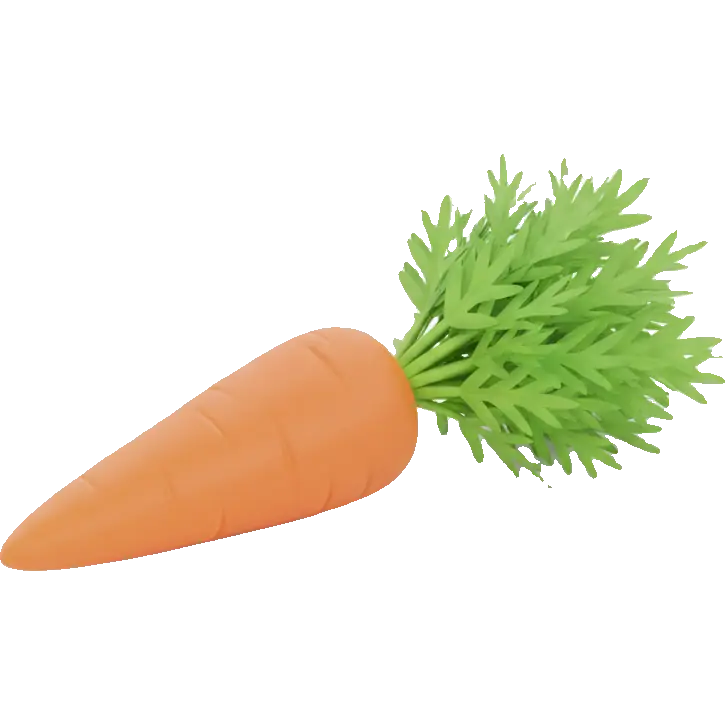
carrot tops
Vegetables
Is carrot tops high in histamine liberators?
Is carrot tops high or low in histamine liberators? See its exact rating, how much counts as a portion, and its FODMAP, salicylate, oxalate and diet compatibility in one place.
Related checkers
Compare carrot tops across criteria
Sensitivity notes
Why histamine liberators food checker matters
Histamine liberators are foods that don't contain much histamine themselves but can trigger your body to release stored histamine. This can cause similar symptoms to high-histamine foods in sensitive individuals.
- Avoid histamine liberators alongside high-histamine foods
- Common liberators include citrus, strawberries, tomatoes, and chocolate
- Your tolerance may vary based on overall histamine load
- Keep a symptom diary to identify your personal triggers
- Consider your total 'histamine bucket' - liberators add to it
Sensitivities
What carrot tops contains
FODMAPs
Histamine & Amines
Plant compounds
Irritants
Additives
Allergens
Diet fit
Where carrot tops fits
Therapeutic diets
Lifestyle diets
Religious diets
What to know about carrot tops
Carrot tops are the feathery green leaves growing out of the root, and the first job of this page is to kill a myth: they are not poisonous. The idea persists because carrot belongs to the Apiaceae family, which also contains poison hemlock, and because vague warnings about leaf alkaloids get repeated without a source. People have eaten carrot greens for centuries, in pesto, chimichurri, salsa verde and stock, and our grading backs that up. Carrot tops come back A on every criterion we assess, including histamine, histamine liberation, tyramine, salicylates, oxalates, nickel, sulfites, glutamates, nightshades and gluten, with FODMAP content left unrated. The genuine caveats are botanical rather than chemical. Apiaceae cross-reactivity matters if birch or mugwort pollen already gives you an itchy mouth with carrot, celery or parsnip, and the foliage carries furanocoumarins that can cause a sun-triggered contact rash, the same risk that handling parsnip greens carries.
Watch for
- Apiaceae family, same as carrot root, celery, parsley and parsnip.If birch or mugwort pollen allergy already gives you oral itching with those foods, put the leaves in the same test group rather than assuming greens are a separate category
- The foliage contains furanocoumarins.Handling a lot of carrot greens and then getting sun on bare forearms can produce a delayed, sometimes blistering rash. That is phytophotodermatitis, it is a skin-contact issue for gardeners and market stalls rather than an eating one
- Strongly bitter, so they are almost always used in bulk as a pesto or blitzed into stock.If a carrot-top pesto sets you off, the garlic, nuts, hard cheese or oil in it are far more likely culprits than the leaves
- FODMAP content is unrated for carrot tops specifically.Leafy greens usually sit low, but this one has not been separately measured, so log a first serving rather than assuming it is clear
- Never eat foraged wild carrot foliage on a guess.The edible-versus-hemlock question is real out in a field, even though it is a non-issue for a bunch bought with the roots attached


Explore related in Vegetables
Compare similar foods to build a personalized list of swaps that work for your system.


Histamine Liberators Guide
Everything you need to know about histamine liberators sensitivity and smart food choices.
Histamine liberators are foods that don't contain much histamine themselves but can trigger your body to release stored histamine. This can cause similar symptoms to high-histamine foods in sensitive individuals.
Sensitivity varies widely. What triggers one person may be fine for another. Track your reactions to find your personal threshold.
These foods are generally well-tolerated for Histamine Liberators sensitivity:
View all safe options






These foods have moderate levels and may be tolerated in small amounts:





These foods are high in histamine liberators and may trigger symptoms:
View full list



If you're sensitive to Histamine Liberators, consider these strategies:
- 1Avoid histamine liberators alongside high-histamine foods
- 2Common liberators include citrus, strawberries, tomatoes, and chocolate
- 3Your tolerance may vary based on overall histamine load
- 4Keep a symptom diary to identify your personal triggers
- 5Consider your total 'histamine bucket' - liberators add to it
Pro tip: Keep a food diary to track your reactions. The Triggerbites app makes this easy with automatic pattern detection.
Want personalized tracking?
Download Triggerbites to log meals, track symptoms, and discover your unique triggers.
Get the AppFAQ
Is carrot tops high in Histamine Liberators?
Histamine Liberators: low signal for most people.
Can I still eat carrot tops if I'm sensitive to Histamine Liberators?
Usually fine in normal portions.
What else should I check?
Check Low Fibre, Gastroparesis Diet, and Jain next for a fuller picture.