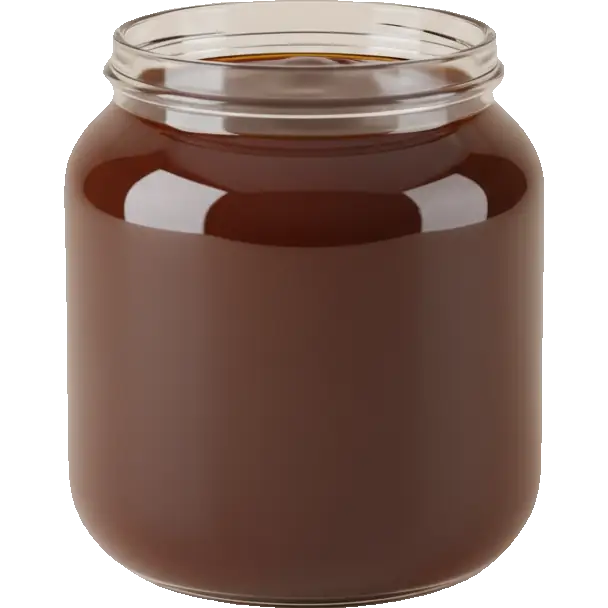
barley malt
Sweeteners
Is barley malt high in histamine liberators?
Is barley malt high or low in histamine liberators? See its exact rating, how much counts as a portion, and its FODMAP, salicylate, oxalate and diet compatibility in one place.
Related checkers
Compare barley malt across criteria
Sensitivity notes
Why histamine liberators food checker matters
Histamine liberators are foods that don't contain much histamine themselves but can trigger your body to release stored histamine. This can cause similar symptoms to high-histamine foods in sensitive individuals.
- Avoid histamine liberators alongside high-histamine foods
- Common liberators include citrus, strawberries, tomatoes, and chocolate
- Your tolerance may vary based on overall histamine load
- Keep a symptom diary to identify your personal triggers
- Consider your total 'histamine bucket' - liberators add to it
Sensitivities
What barley malt contains
FODMAPs
Histamine & Amines
Plant compounds
Irritants
Additives
Allergens
Diet fit
Where barley malt fits
Therapeutic diets
Lifestyle diets
Religious diets
What to know about barley malt
Barley malt is barley that has been steeped until it sprouts and then kiln dried to stop it, a process that wakes up the enzymes in the grain and converts some of its starch into maltose. That is what makes it the base of beer and whisky, and it is also what makes it taste sweet, toasty and biscuity enough that food manufacturers use it as a flavouring far outside the drinks aisle. For trigger tracking, the headline is simple and absolute: malting does nothing to the gluten. Barley malt grades gluten E, so it is unsafe on a coeliac diet, and because it is usually listed as malt, malt extract or malt flavouring rather than as barley, it is one of the most commonly missed sources of gluten in a supermarket. Otherwise it is a quiet ingredient. Histamine, salicylates, oxalates, nickel, sulfites and glutamates all grade A. The only other note is moderate fructans and FODMAPs (both C), inherited from the barley grain.
Watch for
- Gluten E, and sprouting does not change that.Germinating a barley grain breaks down starch, not the hordein proteins that gluten sensitive and coeliac readers react to
- It hides behind the word malt.Malt, malted barley flour, malt extract and malt flavouring on an ingredients list are barley derived unless a label explicitly says otherwise, and none of them are gluten free
- Breakfast cereal is the classic ambush.Plenty of rice and corn based cereals that look naturally gluten free are sweetened with barley malt flavouring, which is why a rice cereal can still be off limits on a coeliac diet
- Malted drink powders and malted milkshakes are built on malt extract, so a malt drink is a barley drink even though nothing about it looks like a grain
- Moderate fructans and FODMAPs (both C) carried over from the barley, which is a bloating consideration on a low FODMAP diet independent of the gluten question

Explore related in Sweeteners
Compare similar foods to build a personalized list of swaps that work for your system.


Histamine Liberators Guide
Everything you need to know about histamine liberators sensitivity and smart food choices.
Histamine liberators are foods that don't contain much histamine themselves but can trigger your body to release stored histamine. This can cause similar symptoms to high-histamine foods in sensitive individuals.
Sensitivity varies widely. What triggers one person may be fine for another. Track your reactions to find your personal threshold.
These foods are generally well-tolerated for Histamine Liberators sensitivity:
View all safe options






These foods have moderate levels and may be tolerated in small amounts:






These foods are high in histamine liberators and may trigger symptoms:
View full list



If you're sensitive to Histamine Liberators, consider these strategies:
- 1Avoid histamine liberators alongside high-histamine foods
- 2Common liberators include citrus, strawberries, tomatoes, and chocolate
- 3Your tolerance may vary based on overall histamine load
- 4Keep a symptom diary to identify your personal triggers
- 5Consider your total 'histamine bucket' - liberators add to it
Pro tip: Keep a food diary to track your reactions. The Triggerbites app makes this easy with automatic pattern detection.
Want personalized tracking?
Download Triggerbites to log meals, track symptoms, and discover your unique triggers.
Get the AppFAQ
Is barley malt high in Histamine Liberators?
Histamine Liberators: low signal for most people.
Can I still eat barley malt if I'm sensitive to Histamine Liberators?
Usually fine in normal portions.
What else should I check?
Check Gluten, AIP, and EoE Compatible next for a fuller picture.