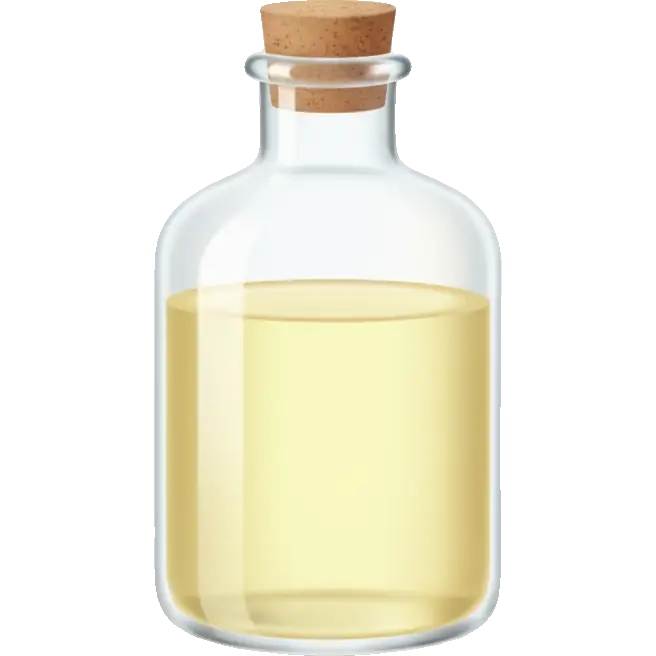
safflower oil
Oils & Fats
Is safflower oil high in gos?
Is safflower oil high or low in gos? See its exact rating, how much counts as a portion, and its FODMAP, salicylate, oxalate and diet compatibility in one place.
Related checkers
Compare safflower oil across criteria
Sensitivity notes
Why gos food checker matters
Galacto-oligosaccharides (GOS) are carbohydrates found mainly in legumes and some vegetables. They're a FODMAP that can ferment in the gut, causing bloating and discomfort in sensitive people.
- Canned and rinsed legumes are lower in GOS than dried
- Start with smaller portions and build up tolerance
- Some people find beano-type enzymes helpful
- Firm tofu is lower in GOS than silken tofu
- Sprouted legumes may be better tolerated
Sensitivities
What safflower oil contains
FODMAPs
Histamine & Amines
Plant compounds
Irritants
Additives
Allergens
Diet fit
Where safflower oil fits
Therapeutic diets
Lifestyle diets
Religious diets
What to know about safflower oil
Safflower oil is one bottle name covering two chemically different oils, and that is the thing worth knowing before you cook with it. High-linoleic safflower oil is among the most omega-6-dense oils sold, around seventy per cent linoleic acid, and it oxidises quickly with heat and light. High-oleic safflower oil is bred to be mostly monounsaturated and is stable enough to fry in. Supermarket labels frequently say neither. On the trigger side it is quiet: graded A for histamine, histamine liberation, tyramine, salicylates, oxalate, nickel, sulfites, glutamates, gluten, dairy protein and every FODMAP group, so if you are searching whether safflower oil is low FODMAP or safe with histamine intolerance, it is. Its only flag is a C on the anti-inflammatory scale, which is a fatty-acid-balance judgement rather than a sensitivity, and it applies mainly to the high-linoleic type.
Watch for
- Two oils, one name.The high-linoleic type has a low smoke point and goes rancid fast, the high-oleic type handles frying heat. Unless the bottle says "high oleic" you generally cannot tell which you bought, and refrigerated storage matters much more for the first than the second
- The C on the anti-inflammatory scale is entirely about that omega-6 load in the high-linoleic version, not about any trigger chemistry.It scores B for DASH and Mediterranean, both of which favour olive oil over polyunsaturated seed oils
- Reheated and reused safflower oil is a different substance from fresh.High-linoleic oil oxidises into aldehydes when it is pushed past its smoke point or held hot, which is the usual explanation when a fried dish sits badly and the same food cooked fresh does not
- Safflower is in the Asteraceae family alongside ragweed, chamomile and daisies.Refined oil is stripped of protein and is not a practical allergen route, but cold-pressed unrefined versions retain trace plant material, which is worth noting if you have a documented compositae allergy
- Safflower is not saffron.Dried safflower petals are sold as bastard saffron, kasubha or American saffron and colour a dish yellow-orange without any of saffron's flavour. If a recipe or a label swapped one for the other, you are logging the wrong ingredient


Explore related in Oils & Fats
Compare similar foods to build a personalized list of swaps that work for your system.
GOS Guide
Everything you need to know about gos sensitivity and smart food choices.
Galacto-oligosaccharides (GOS) are carbohydrates found mainly in legumes and some vegetables. They're a FODMAP that can ferment in the gut, causing bloating and discomfort in sensitive people.
Sensitivity varies widely. What triggers one person may be fine for another. Track your reactions to find your personal threshold.
These foods are generally well-tolerated for GOS sensitivity:
View all safe options







These foods have moderate levels and may be tolerated in small amounts:




These foods are high in gos and may trigger symptoms:
View full list




If you're sensitive to GOS, consider these strategies:
- 1Canned and rinsed legumes are lower in GOS than dried
- 2Start with smaller portions and build up tolerance
- 3Some people find beano-type enzymes helpful
- 4Firm tofu is lower in GOS than silken tofu
- 5Sprouted legumes may be better tolerated
Pro tip: Keep a food diary to track your reactions. The Triggerbites app makes this easy with automatic pattern detection.
Want personalized tracking?
Download Triggerbites to log meals, track symptoms, and discover your unique triggers.
Get the AppFAQ
Is safflower oil high in GOS?
GOS: low signal for most people.
Can I still eat safflower oil if I'm sensitive to GOS?
Usually fine in normal portions.
What else should I check?
Check AIP, Paleo, and Gastroparesis Diet next for a fuller picture.