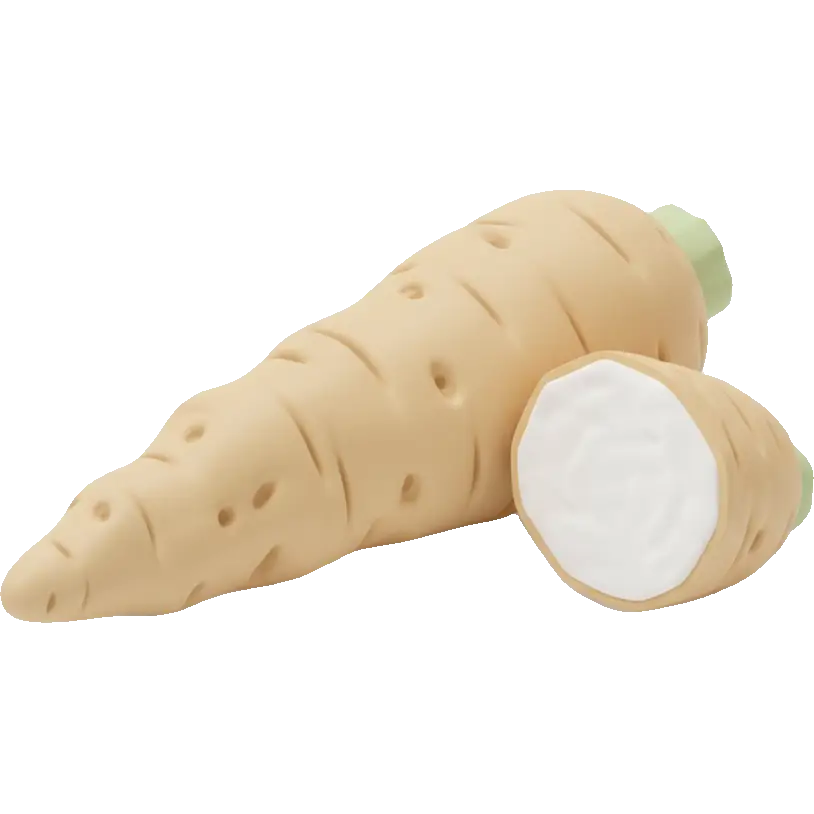
mustard root
Vegetables
Is mustard root high in glutamates?
Is mustard root high or low in glutamates? See its exact rating, how much counts as a portion, and its FODMAP, salicylate, oxalate and diet compatibility in one place.
Related checkers
Compare mustard root across criteria
Sensitivity notes
Why glutamates food checker matters
Glutamates, including MSG, are flavor enhancers found naturally in many foods and added to others. Some people report sensitivity causing headaches, flushing, or other symptoms, though research on 'MSG syndrome' is mixed.
- MSG goes by many names - look for 'glutamate' on labels
- Naturally high in soy sauce, fish sauce, and aged cheeses
- Tomatoes and mushrooms are naturally high in glutamates
- Yeast extract and hydrolyzed proteins contain glutamates
- Fresh, unprocessed foods are generally lower
Sensitivities
What mustard root contains
FODMAPs
Histamine & Amines
Plant compounds
Irritants
Additives
Allergens
Diet fit
Where mustard root fits
Therapeutic diets
Lifestyle diets
Religious diets
What to know about mustard root
Mustard root is the swollen taproot of the mustard plant, grown across China, Korea and Japan and eaten almost entirely in salted and pickled form rather than fresh. As a raw vegetable it is unremarkable in trigger terms: clean on histamine, tyramine, gluten, lactose, sulfites, nitrites, dairy protein and free glutamate, with borderline grades on FODMAPs, fructans, salicylate, oxalate and nickel, and a medium overall FODMAP standing. The catch is that almost nobody eats it raw. Once it has been salted, pressed and fermented into a pickle, you are eating a food with a very different chemistry from the one these grades describe, and that is where reactions to it usually come from.
Watch for
- The pickle is not the vegetable.Fermented mustard root pickles are held for weeks or months with salt, and fermentation is the classic route by which biogenic amines build up in a food that started out low in them. The clean histamine grade here belongs to the fresh root, not to the jar.
- Medium FODMAP with fructans borderline.Brassica roots are the part of the plant where storage carbohydrate accumulates, so a pile of pickled root as a side dish is a bigger fermentable load than the thin shreds scattered over congee or noodles.
- Its heat is glucosinolate heat.Cut or chewed mustard root releases allyl isothiocyanate, the same compound that makes mustard and horseradish sting. That is a direct irritant effect on an inflamed gut or a reflux prone oesophagus, and it is not an intolerance in the immune or enzyme sense at all.
- Borderline on nickel, worth counting only if you are tracking a daily nickel total for systemic nickel allergy.
- Labels blur three different foods.Mustard root is the root, zha cai style pickles are made from the swollen stem of a related mustard variety, and mustard greens are the leaf. All three turn up in English as some version of pickled mustard, and they are not graded the same.

Explore related in Vegetables
Compare similar foods to build a personalized list of swaps that work for your system.




Glutamates Guide
Everything you need to know about glutamates sensitivity and smart food choices.
Glutamates, including MSG, are flavor enhancers found naturally in many foods and added to others. Some people report sensitivity causing headaches, flushing, or other symptoms, though research on 'MSG syndrome' is mixed.
Sensitivity varies widely. What triggers one person may be fine for another. Track your reactions to find your personal threshold.
These foods are generally well-tolerated for Glutamates sensitivity:
View all safe options






These foods have moderate levels and may be tolerated in small amounts:







These foods are high in glutamates and may trigger symptoms:
View full list
If you're sensitive to Glutamates, consider these strategies:
- 1MSG goes by many names - look for 'glutamate' on labels
- 2Naturally high in soy sauce, fish sauce, and aged cheeses
- 3Tomatoes and mushrooms are naturally high in glutamates
- 4Yeast extract and hydrolyzed proteins contain glutamates
- 5Fresh, unprocessed foods are generally lower
Pro tip: Keep a food diary to track your reactions. The Triggerbites app makes this easy with automatic pattern detection.
Want personalized tracking?
Download Triggerbites to log meals, track symptoms, and discover your unique triggers.
Get the AppFAQ
Is mustard root high in Glutamates?
Glutamates: low signal for most people.
Can I still eat mustard root if I'm sensitive to Glutamates?
Usually fine in normal portions.
What else should I check?
Check Jain, Mustard, and Spicy Foods next for a fuller picture.