 Back to FODMAPs food checker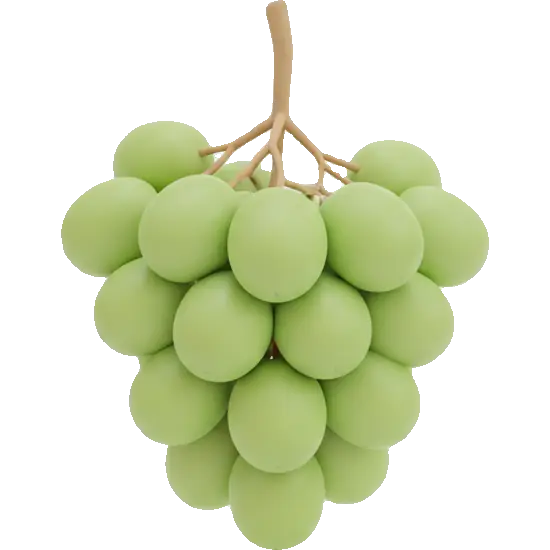
grape
Fruit
Is grape high in fodmaps?
Is grape high or low in fodmaps? See its exact rating, how much counts as a portion, and its FODMAP, salicylate, oxalate and diet compatibility in one place.

Related checkers
Compare grape across criteria

Sensitivity notes
Why fodmaps food checker matters
FODMAPs are fermentable carbohydrates that can cause digestive distress in sensitive individuals. They include fructose, lactose, fructans, galactans, and polyols. These sugars are poorly absorbed in the small intestine and ferment in the colon, potentially causing bloating, gas, and discomfort.
- Start with a 2-6 week elimination phase, removing all high-FODMAP foods
- Keep a detailed food and symptom diary to track your reactions
- Reintroduce one FODMAP group at a time to identify your specific triggers
- Remember that threshold varies - you may tolerate small amounts
- Work with a dietitian trained in the low-FODMAP diet for best results

Sensitivities
What grape contains
FODMAPs







Histamine & Amines



Plant compounds




Irritants




Additives



Allergens
















Diet fit
Where grape fits
Therapeutic diets










Lifestyle diets









Religious diets






What to know about grape
Grapes look innocent, but a normal bunch is a real fructose load: they rate high in excess fructose and high FODMAP overall, which is why grapes cause bloating, gas or loose stools once you get past a few. Two grapes are low FODMAP; a handful is where the fructose starts to outrun the glucose your gut can absorb. Grapes are also the base of wine and raisins, and drying only concentrates that sugar, so raisins and sultanas hit harder per bite than the fresh fruit.
Watch for
- High in excess fructose: a couple of grapes are fine, but a full bunch delivers more fructose than glucose and can trigger bloating, wind and urgency in a sensitive gut
- Dried into raisins or sultanas the sugars concentrate, so a small scattering can outweigh a plate of fresh grapes for FODMAP purposes
- Moderate salicylates, tending higher in red and dark varieties than in pale green, so grapes can add to your salicylate load if you already react to it
- As the base of wine, grapes bring their fructose along while wine layers sulfites and histamine on top

Explore related in Fruit
Compare similar foods to build a personalized list of swaps that work for your system.





FODMAPs Guide
Everything you need to know about fodmaps sensitivity and smart food choices.
FODMAPs are fermentable carbohydrates that can cause digestive distress in sensitive individuals. They include fructose, lactose, fructans, galactans, and polyols. These sugars are poorly absorbed in the small intestine and ferment in the colon, potentially causing bloating, gas, and discomfort.
Sensitivity varies widely. What triggers one person may be fine for another. Track your reactions to find your personal threshold.

These foods are generally well-tolerated for FODMAPs sensitivity:
View all safe options











These foods are high in fodmaps and may trigger symptoms:
View full list



If you're sensitive to FODMAPs, consider these strategies:
- 1Start with a 2-6 week elimination phase, removing all high-FODMAP foods
- 2Keep a detailed food and symptom diary to track your reactions
- 3Reintroduce one FODMAP group at a time to identify your specific triggers
- 4Remember that threshold varies - you may tolerate small amounts
- 5Work with a dietitian trained in the low-FODMAP diet for best results
Pro tip: Keep a food diary to track your reactions. The Triggerbites app makes this easy with automatic pattern detection.
Want personalized tracking?
Download Triggerbites to log meals, track symptoms, and discover your unique triggers.
Get the AppFAQ
Is grape high in FODMAPs?
FODMAP rating: High FODMAP. High FODMAP: consider smaller servings or swap within the same group.
Can I still eat grape if I'm sensitive to FODMAPs?
Best to avoid or test carefully with a small amount.
What else should I check?
Check Fructose, Acidic Foods, and Keto next for a fuller picture.