
whole grain cereal
Grains
Is whole grain cereal eoe compatible-compatible?
See whether whole grain cereal fits an eoe compatible diet, with a clear compatible-or-avoid verdict plus its FODMAP, histamine and other trigger ratings in one place.
Related checkers
Compare whole grain cereal across criteria
Sensitivity notes
Why eoe compatible diet checker matters
Eosinophilic Esophagitis (EoE) dietary management often involves eliminating common trigger foods including dairy, wheat, eggs, soy, nuts, and seafood. The six-food elimination diet is commonly used to identify personal triggers.
- The six-food elimination diet removes dairy, wheat, eggs, soy, nuts, and seafood
- Systematic reintroduction with endoscopy helps identify triggers
- Milk/dairy is the most common trigger
- Work closely with your gastroenterologist and allergist
- Elemental diet may be used in severe cases
Sensitivities
What whole grain cereal contains
FODMAPs
Histamine & Amines
Plant compounds
Irritants
Additives
Allergens
Diet fit
Where whole grain cereal fits
Therapeutic diets
Lifestyle diets
Religious diets
What to know about whole grain cereal
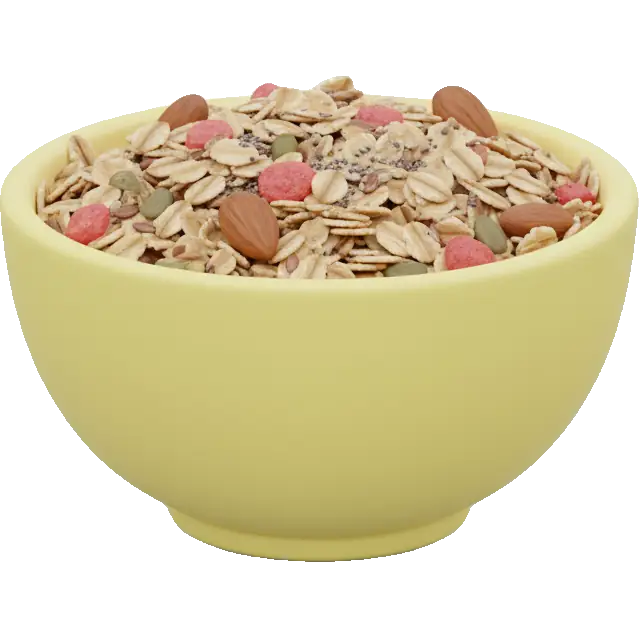
Whole grain breakfast cereal is marketed as the responsible way to start the day, but a wheat or bran cereal is high in fructans and rates high FODMAP, which is why a bowl can leave you bloated by mid-morning. Most wheat- and barley-based cereals also contain gluten. On top of the grain itself, boxed cereals often add dried fruit or high-fructose corn syrup, so a single bowl can carry fructans, gluten and added fructose together. The bran that makes it look healthy is exactly the part that ferments.
Watch for
- High in fructans and high FODMAP, especially bran and wheat-flake cereals, so bloating and gas are common
- Most wheat- and barley-based cereals contain gluten, a problem for celiac disease and gluten sensitivity
- Added dried fruit or high-fructose corn syrup can stack excess fructose on top of the wheat fructans
- The high bran content adds fermentable fiber that can worsen wind on a sensitive or IBS-prone gut




Explore related in Grains
Compare similar foods to build a personalized list of swaps that work for your system.




EoE Compatible Guide
Everything you need to know about eoe compatible compatibility and smart food choices.
Eosinophilic Esophagitis (EoE) dietary management often involves eliminating common trigger foods including dairy, wheat, eggs, soy, nuts, and seafood. The six-food elimination diet is commonly used to identify personal triggers.
These foods are typically compatible with a EoE Compatible approach:
View all safe options






Practical guidance for following a EoE Compatible diet:
- 1The six-food elimination diet removes dairy, wheat, eggs, soy, nuts, and seafood
- 2Systematic reintroduction with endoscopy helps identify triggers
- 3Milk/dairy is the most common trigger
- 4Work closely with your gastroenterologist and allergist
- 5Elemental diet may be used in severe cases
Pro tip: Keep a food diary to track your reactions. The Triggerbites app makes this easy with automatic pattern detection.
Want personalized tracking?
Download Triggerbites to log meals, track symptoms, and discover your unique triggers.
Get the AppFAQ
Does whole grain cereal fit an eoe compatible diet?
EoE Compatible: avoid for strict plans.
What if I eat it occasionally?
Occasional use may break strict plans.
What are safer swaps?
Compare within the Grains group.