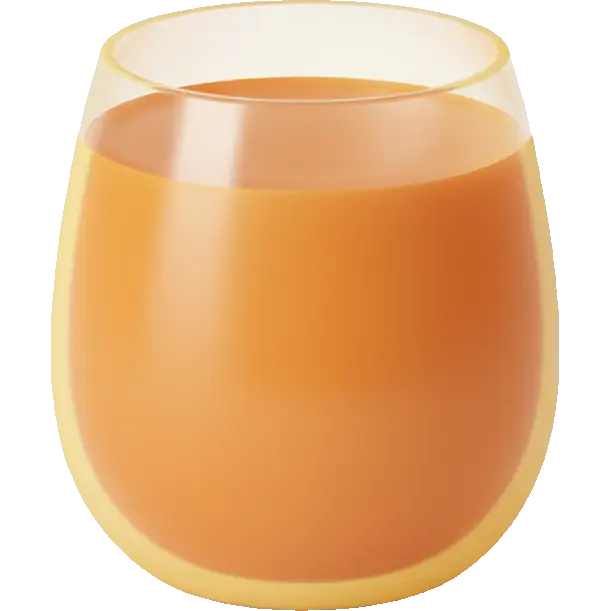
fruit nectar
Sweeteners
Is fruit nectar whole30-compatible?
See whether fruit nectar fits a whole30 diet, with a clear compatible-or-avoid verdict plus its FODMAP, histamine and other trigger ratings in one place.
Related checkers
Compare fruit nectar across criteria
Sensitivity notes
Why whole30 diet checker matters
Whole30 affects how your body responds to certain foods. Understanding your personal tolerance helps you make informed choices.
- Keep a detailed food and symptom diary to track your personal reactions
- Eliminate the suspected trigger completely for 2-4 weeks
- Reintroduce gradually to find your personal tolerance threshold
- Work with a healthcare provider or registered dietitian for guidance
- Remember that food sensitivities can change over time
Sensitivities
What fruit nectar contains
FODMAPs
Histamine & Amines
Plant compounds
Irritants
Additives
Allergens
Diet fit
Where fruit nectar fits
Therapeutic diets
Lifestyle diets
Religious diets
What to know about fruit nectar
Fruit nectar is not fruit juice, and the word on the carton is doing more work than most shoppers notice. A nectar is fruit puree or juice let down with water and sweetened, which is how thick or sharp fruits like peach, apricot, pear, mango and guava get sold as a drink at all. Under EU rules a nectar can be as little as 25 to 50 percent fruit depending on the species and may legally carry added sugar or honey, while a 100 percent juice may have neither. For a sensitive gut that combination is the issue: nectar grades high on excess fructose and poor for SIBO, because the fruit sugars arrive concentrated, any added sucrose delivers more fructose on top, and none of the fibre that slows whole fruit down survives the pulping. It also carries moderate histamine and moderate sulfite grades, which is worth knowing if you assumed the healthy-looking bottle was chemically simpler than a soft drink.
Watch for
- High in excess fructose, the classic cause of bloating, wind and urgent stools an hour or two after a big glass in people with fructose malabsorption
- Graded poor for low fermentation and SIBO protocols: liquid sugar with no fibre is close to the worst delivery format for bacterial overgrowth symptoms
- Moderate on fructans and polyols too, and which one bites depends on the base fruit.Pear and peach nectars bring sorbitol along with the fructose, so a pear nectar can hit two FODMAP groups at once
- Mildly histamine-active and mildly sulfited.Fruit puree that has been stored and preserved is not the same chemistry as fruit off the tree, which matters if you react to sulfites in dried fruit or wine
- Check the fruit percentage on the label.Nectar, juice drink and fruit beverage are all legally distinct from 100 percent juice, and the minimum fruit content has to be declared




Explore related in Sweeteners
Compare similar foods to build a personalized list of swaps that work for your system.


Whole30 Guide
Everything you need to know about whole30 compatibility and smart food choices.
Whole30 affects how your body responds to certain foods. Understanding your personal tolerance helps you make informed choices.
These foods are typically compatible with a Whole30 approach:
View all safe options




Practical guidance for following a Whole30 diet:
- 1Keep a detailed food and symptom diary to track your personal reactions
- 2Eliminate the suspected trigger completely for 2-4 weeks
- 3Reintroduce gradually to find your personal tolerance threshold
- 4Work with a healthcare provider or registered dietitian for guidance
- 5Remember that food sensitivities can change over time
Pro tip: Keep a food diary to track your reactions. The Triggerbites app makes this easy with automatic pattern detection.
Want personalized tracking?
Download Triggerbites to log meals, track symptoms, and discover your unique triggers.
Get the AppFAQ
Does fruit nectar fit a whole30 diet?
Whole30: avoid for strict plans.
What if I eat it occasionally?
Occasional use may break strict plans.
What are safer swaps?
Compare within the Sweeteners group.