 Back to Vegan diet checker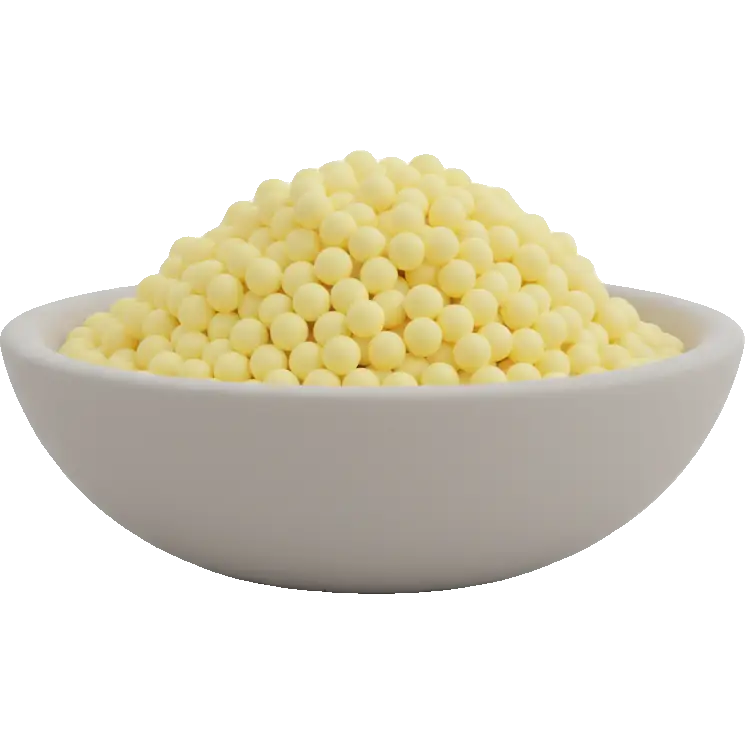
millet
Grains
Is millet vegan-compatible?
See whether millet fits a vegan diet, with a clear compatible-or-avoid verdict plus its FODMAP, histamine and other trigger ratings in one place.

Related checkers
Compare millet across criteria

Sensitivity notes
Why vegan diet checker matters
A vegan diet excludes all animal products including meat, dairy, eggs, and honey. It focuses on plant-based foods like vegetables, fruits, grains, legumes, nuts, and seeds.
- Ensure adequate protein from varied plant sources
- Supplement B12 - it's essential and not available from plants
- Consider omega-3 from algae-based supplements
- Iron from plants requires vitamin C for better absorption
- Plan meals to ensure complete amino acid profiles

Sensitivities
What millet contains
FODMAPs







Histamine & Amines



Plant compounds




Irritants




Additives



Allergens
















Diet fit
Where millet fits
Therapeutic diets










Lifestyle diets









Religious diets






What to know about millet
Millet is the gluten-free grain that almost never gets questioned. It is genuinely gluten free (graded A), clean on histamine, salicylates, nickel, sulfites and free glutamates, and it feeds hundreds of millions of people daily as bajra, ragi and jowar across India and the Sahel. The catch nobody mentions when they hand you a bag of millet as a wheat replacement: our data grades it E for oxalate, the top band. If you are managing calcium oxalate kidney stones or running an oxalate-restricted protocol, swapping wheat for millet trades one problem for another. Millet also carries a well-documented goitrogenic property, which matters specifically for people eating it as a staple on a low-iodine diet, not for someone having it twice a week.
Watch for
- Graded E for oxalate, the highest band.This is the reason millet deserves a second look before it becomes your daily gluten-free grain, especially if you have a history of calcium oxalate stones
- Millet contains C-glycosylflavones that inhibit thyroid peroxidase, the enzyme that builds thyroid hormone.The goiter link is documented in populations where millet is the staple calorie source and iodine intake is low, so the practical risk sits with staple-level intake plus low iodine, not with an occasional bowl
- Gluten free by nature (graded A), but millet flour is frequently milled and packed on shared equipment with wheat.If you have coeliac disease, the certification on the bag matters more than the grain
- Moderate on total FODMAPs (graded B), so a generous bowl of millet porridge or several bajra rotis can add up even though no single FODMAP subgroup is flagged
- Graded E on the anti-inflammatory scale, meaning it lands on the pro-inflammatory side as a starchy grain.That is a dietary-pattern note rather than a chemical trigger, but worth knowing if you built your plan around anti-inflammatory eating

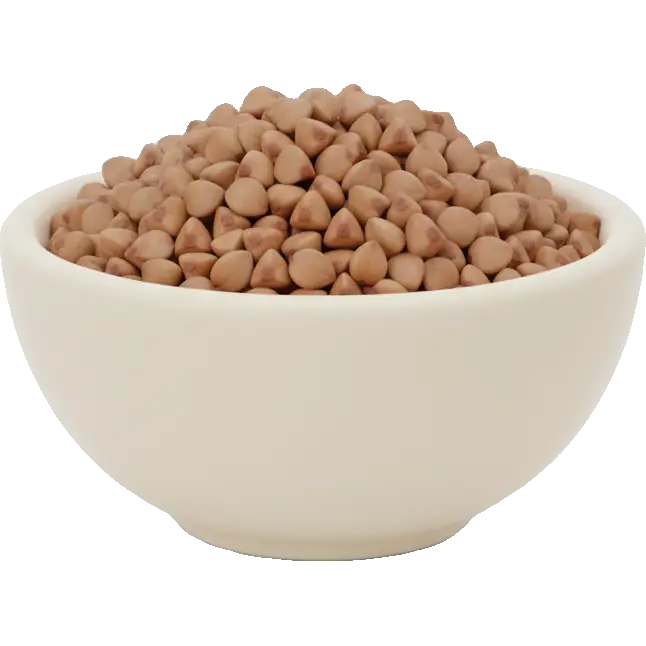



Explore related in Grains
Compare similar foods to build a personalized list of swaps that work for your system.

Vegan Guide
Everything you need to know about vegan compatibility and smart food choices.
A vegan diet excludes all animal products including meat, dairy, eggs, and honey. It focuses on plant-based foods like vegetables, fruits, grains, legumes, nuts, and seeds.
These foods are typically compatible with a Vegan approach:
View all safe options





Practical guidance for following a Vegan diet:
- 1Ensure adequate protein from varied plant sources
- 2Supplement B12 - it's essential and not available from plants
- 3Consider omega-3 from algae-based supplements
- 4Iron from plants requires vitamin C for better absorption
- 5Plan meals to ensure complete amino acid profiles
Pro tip: Keep a food diary to track your reactions. The Triggerbites app makes this easy with automatic pattern detection.
Want personalized tracking?
Download Triggerbites to log meals, track symptoms, and discover your unique triggers.
Get the AppFAQ
Does millet fit a vegan diet?
Vegan: fits well for most plans.
What if I eat it occasionally?
Still check preparation and add-ins.
What are safer swaps?
Compare within the Grains group.