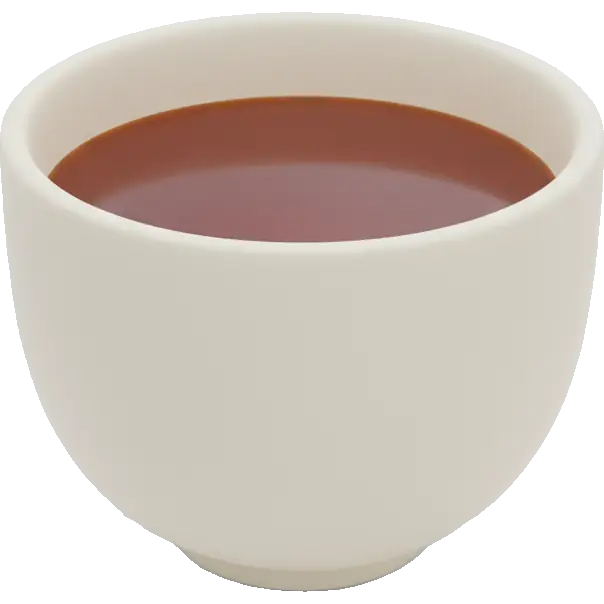
pu-erh tea
Beverages
Is pu-erh tea high in tyramine?
Is pu-erh tea high or low in tyramine? See its exact rating, how much counts as a portion, and its FODMAP, salicylate, oxalate and diet compatibility in one place.
Related checkers
Compare pu-erh tea across criteria
Sensitivity notes
Why tyramine food checker matters
Tyramine is an amino acid that forms when proteins break down. It's found in aged, fermented, or spoiled foods. For people taking MAO inhibitors or those with tyramine sensitivity, it can cause headaches, elevated blood pressure, and other reactions.
- Choose fresh over aged, fermented, or preserved foods
- Eat protein foods fresh and store properly
- Be especially careful if taking MAO inhibitor medications
- Common high-tyramine foods include aged cheese, cured meats, and soy sauce
- Ripeness affects tyramine - choose less ripe fruits
Sensitivities
What pu-erh tea contains
FODMAPs
Histamine & Amines
Plant compounds
Irritants
Additives
Allergens
Diet fit
Where pu-erh tea fits
Therapeutic diets
Lifestyle diets
Religious diets
What to know about pu-erh tea
Pu-erh is the only tea that is properly fermented rather than merely oxidised. Leaves from Yunnan are pressed into cakes or bricks and worked on by microbes, either slowly over years (raw sheng) or by a forced pile fermentation that compresses the process into weeks (ripe shou). Because every other microbially aged food on this list carries an amine warning, the reasonable assumption is that pu-erh does too. The grades say otherwise: pu-erh is rated clean on histamine, histamine liberation and tyramine, and clean again on salicylate, oxalate, FODMAPs, gluten, nickel and sulfite. Pu-erh is the one tea where trace histamine and tyramine are detectable at all in laboratory work, but the quantities reported are small next to genuinely amine-heavy foods like aged cheese or cured sausage. That leaves two honest caveats. Caffeine is graded moderate and young sheng is often stronger than the dark shou people picture. And the fermentation gives it a slight edge over plain green tea for a very sensitive SIBO gut, which is the only place pu-erh is graded worse than an ordinary cup of tea.
Watch for
- Caffeine is graded moderate, and the widespread belief that aged pu-erh is naturally low in caffeine does not hold up: caffeine is stable through fermentation and storage, and a strongly brewed young sheng can be the most stimulating cup in the cupboard
- The traditional gongfu method rinses the leaf then pours many short infusions, so a single sitting can be a dozen cups off one small pot: judge the session, not the cup
- Drinking strong pu-erh on an empty stomach can bring on the wobbly, nauseous, lightheaded state Chinese tea drinkers call cha zui or tea drunkenness, which is easily mistaken for a food reaction when it is really strength plus an empty stomach
- Fuzzy white or green mould on a cake, or a sharply musty smell, is a storage failure and not part of the process: the microbial work happens under controlled conditions at the factory, so a cake stored somewhere damp should be discarded rather than aired out
- Graded slightly less favourable than green or black tea for SIBO, a small fermentation penalty and the only criterion where pu-erh is not clean




Explore related in Beverages
Compare similar foods to build a personalized list of swaps that work for your system.

Tyramine Guide
Everything you need to know about tyramine sensitivity and smart food choices.
Tyramine is an amino acid that forms when proteins break down. It's found in aged, fermented, or spoiled foods. For people taking MAO inhibitors or those with tyramine sensitivity, it can cause headaches, elevated blood pressure, and other reactions.
Sensitivity varies widely. What triggers one person may be fine for another. Track your reactions to find your personal threshold.
These foods are generally well-tolerated for Tyramine sensitivity:
View all safe options













These foods are high in tyramine and may trigger symptoms:
View full list

If you're sensitive to Tyramine, consider these strategies:
- 1Choose fresh over aged, fermented, or preserved foods
- 2Eat protein foods fresh and store properly
- 3Be especially careful if taking MAO inhibitor medications
- 4Common high-tyramine foods include aged cheese, cured meats, and soy sauce
- 5Ripeness affects tyramine - choose less ripe fruits
Pro tip: Keep a food diary to track your reactions. The Triggerbites app makes this easy with automatic pattern detection.
Want personalized tracking?
Download Triggerbites to log meals, track symptoms, and discover your unique triggers.
Get the AppFAQ
Is pu-erh tea high in Tyramine?
Tyramine: low signal for most people.
Can I still eat pu-erh tea if I'm sensitive to Tyramine?
Usually fine in normal portions.
What else should I check?
Check Caffeine, Reflux Diet, and Acidic Foods next for a fuller picture.