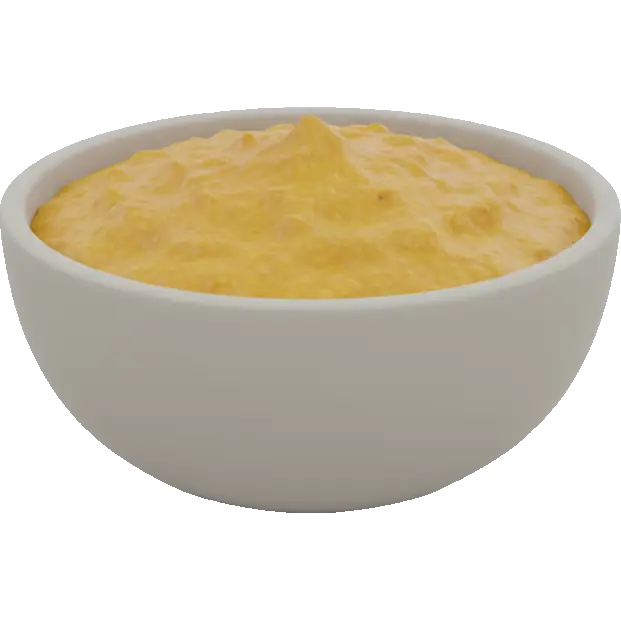
split chickpeas
Legumes/Pulses
Is split chickpeas high in low fermentation?
Is split chickpeas high or low in low fermentation? See its exact rating, how much counts as a portion, and its FODMAP, salicylate, oxalate and diet compatibility in one place.
Related checkers
Compare split chickpeas across criteria
Sensitivity notes
Why low fermentation food checker matters
SIBO (Small Intestinal Bacterial Overgrowth) diets focus on reducing fermentable foods that feed bacteria in the small intestine. Low-fermentation foods help manage symptoms like bloating, gas, and abdominal discomfort.
- Low-fermentation eating reduces food for overgrown bacteria
- Meal spacing (4-5 hours) allows the MMC to clear the gut
- Avoid grazing - structured meals are better
- Some find the elemental diet helpful under medical supervision
- Address underlying causes with your healthcare provider
Sensitivities
What split chickpeas contains
FODMAPs
Histamine & Amines
Plant compounds
Irritants
Additives
Allergens
Diet fit
Where split chickpeas fits
Therapeutic diets
Lifestyle diets
Religious diets
What to know about split chickpeas
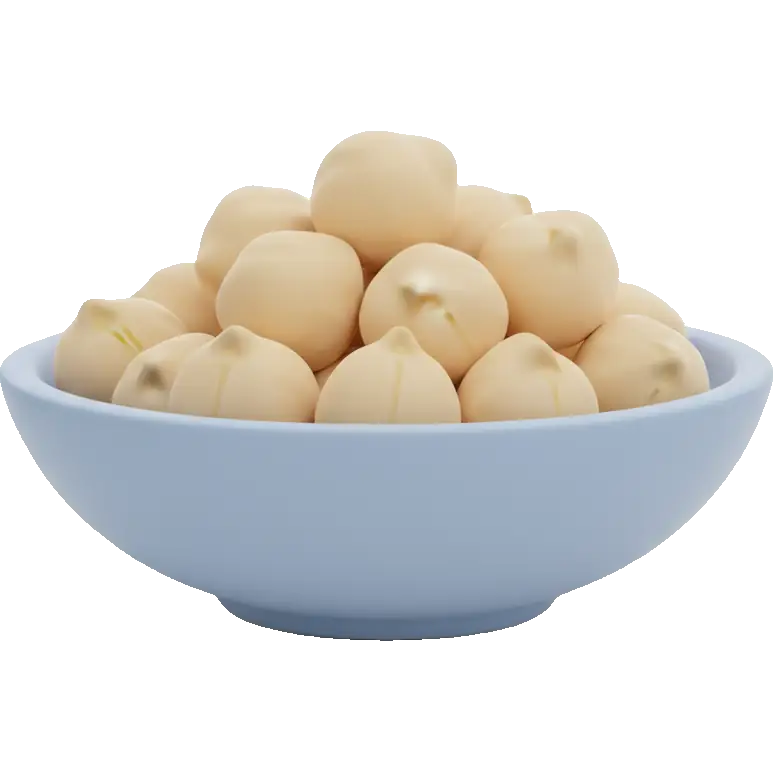
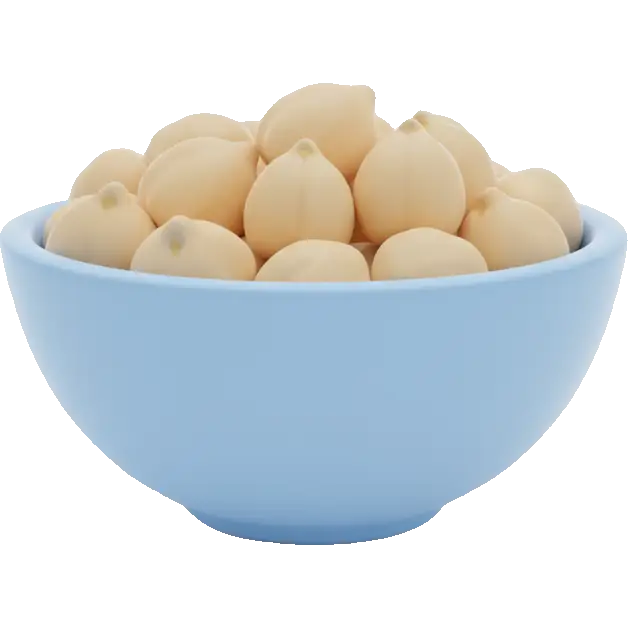
Split chickpeas, known across India as chana dal, are chickpeas that have had the hull removed and the seed split into its two halves. That processing lets them cook down into a dal without an overnight soak, and it gives them a strikingly low glycaemic response for a starchy staple, which is why chana dal has such a long history as an everyday Indian protein. What splitting does not do is touch the sugars that cause trouble. Our data grades split chickpeas galacto-oligosaccharides E and total FODMAPs E, both at the top of the scale, because the raffinose and stachyose responsible for pulse bloating live in the cotyledon, and the cotyledon is precisely the part you keep. Nickel is graded D and lectins D, with salicylates and oxalate borderline at C. Split chickpeas are naturally gluten free and graded clean on lactose, dairy protein, nightshades, sulfites and caffeine, so for most people the whole story here is GOS.
Watch for
- Galacto-oligosaccharides graded E.The human gut makes no alpha-galactosidase, so the raffinose and stachyose in chana dal arrive intact at the colon, where bacteria ferment them into gas. This is the mechanism behind every pulse-related bloat.
- GOS are water soluble, so a long soak with the water discarded, then a boil in fresh water that also gets drained, pulls a worthwhile amount out.Chana dal is usually cooked with no soak at all precisely because it is split, so that reduction step is the one most often skipped.
- Nickel graded D.Pulses are among the largest dietary contributors of nickel, which matters if your reactions are dermatitis or systemic nickel allergy syndrome rather than gut symptoms.
- Lectins graded D.Legume lectins are broken down by a proper rolling boil, so the versions to watch are undercooked dal and anything held for hours at a gentle slow-cooker temperature without ever reaching a real boil.
- Chana dal is what besan or gram flour is milled from.If you are avoiding gluten strictly, check the brand, since besan and split chickpeas are routinely milled on shared equipment with wheat.





Explore related in Legumes/Pulses
Compare similar foods to build a personalized list of swaps that work for your system.
Low Fermentation Guide
Everything you need to know about low fermentation sensitivity and smart food choices.
SIBO (Small Intestinal Bacterial Overgrowth) diets focus on reducing fermentable foods that feed bacteria in the small intestine. Low-fermentation foods help manage symptoms like bloating, gas, and abdominal discomfort.
Sensitivity varies widely. What triggers one person may be fine for another. Track your reactions to find your personal threshold.
These foods are generally well-tolerated for Low Fermentation sensitivity:
View all safe options





These foods have moderate levels and may be tolerated in small amounts:








These foods are high in low fermentation and may trigger symptoms:
View full list







If you're sensitive to Low Fermentation, consider these strategies:
- 1Low-fermentation eating reduces food for overgrown bacteria
- 2Meal spacing (4-5 hours) allows the MMC to clear the gut
- 3Avoid grazing - structured meals are better
- 4Some find the elemental diet helpful under medical supervision
- 5Address underlying causes with your healthcare provider
Pro tip: Keep a food diary to track your reactions. The Triggerbites app makes this easy with automatic pattern detection.
Want personalized tracking?
Download Triggerbites to log meals, track symptoms, and discover your unique triggers.
Get the AppFAQ
Is split chickpeas high in Low Fermentation?
Low Fermentation: moderate signal - portion size matters.
Can I still eat split chickpeas if I'm sensitive to Low Fermentation?
Try smaller portions and space it out.
What else should I check?
Check FODMAPs, GOS, and AIP next for a fuller picture.